Raja Ampat Indonesia
April 2026
Raja Ampat - Bullet Points
Legendary diving- and snorkeling-destination, with some of the world’s best reefs and marine biodiversity.
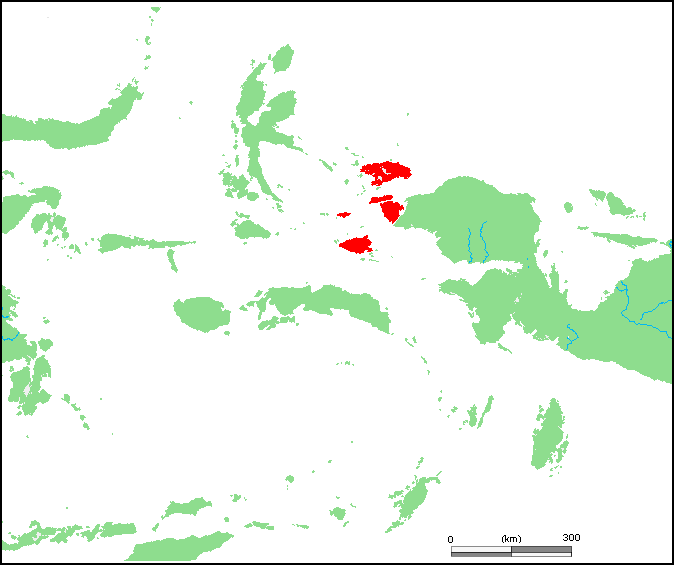
Located in the far East of Indonesia, which is ethnically Papua.
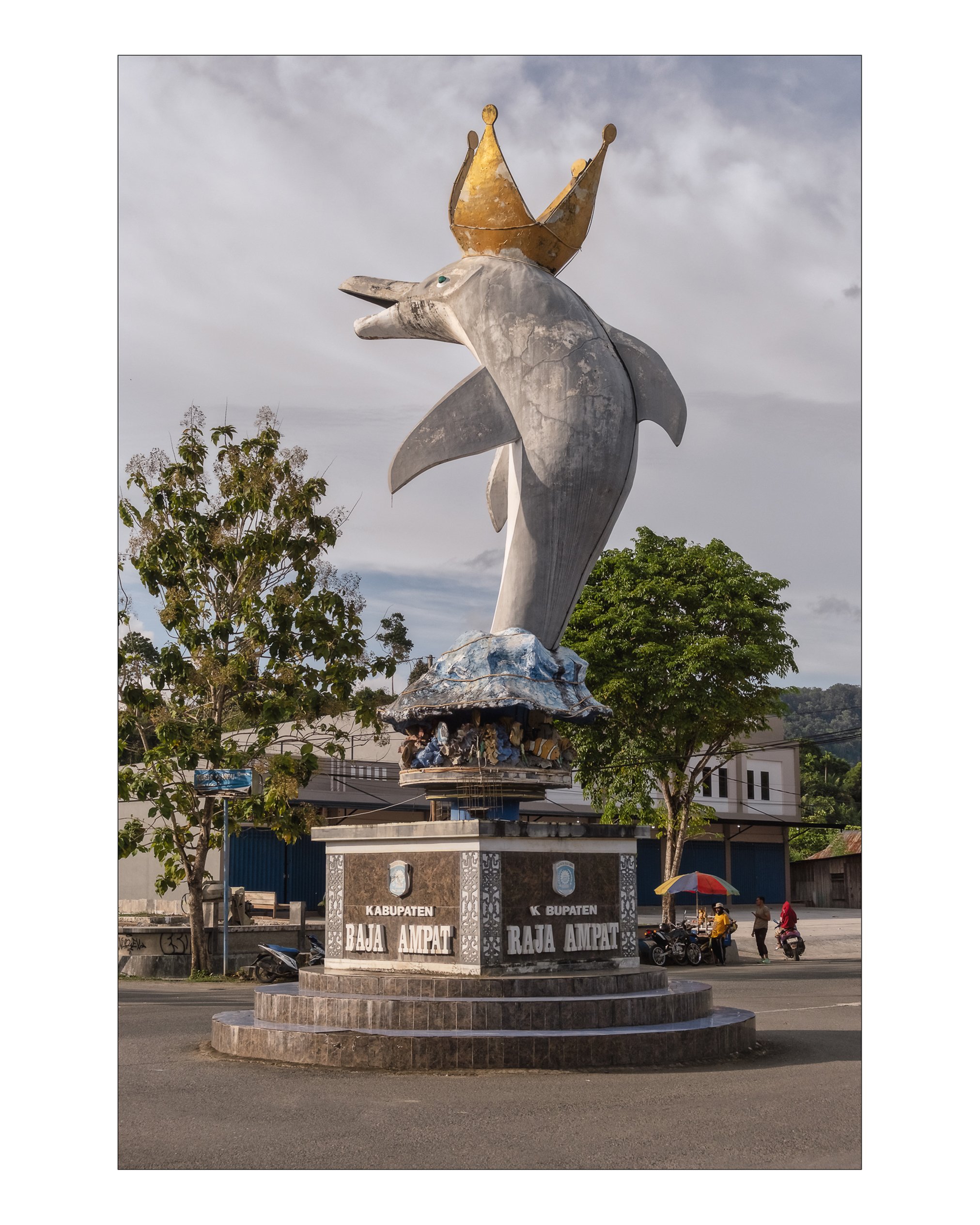
Raja Ampat’s underwater world has only been “discovered” relatively recently (1990, by a Dutch adventurer) and - to the credit of the Indonesian authorities - turned into a national marine park in 2007. Fishing is strongly restricted, diving regulated and all is monitored by rangers on boats.
Accommodation is mostly organized locally through homestays; with a few foreign-run eco-resorts in-between. Luxurious live-aboard dive ships, usually running for a week, are also a popular option.
Tourists are for the most part European backpackers, almost all of them couples and, of course, divers. A refreshingly straight crowd - no party tourists, spiritual explorers or yoga warriors.
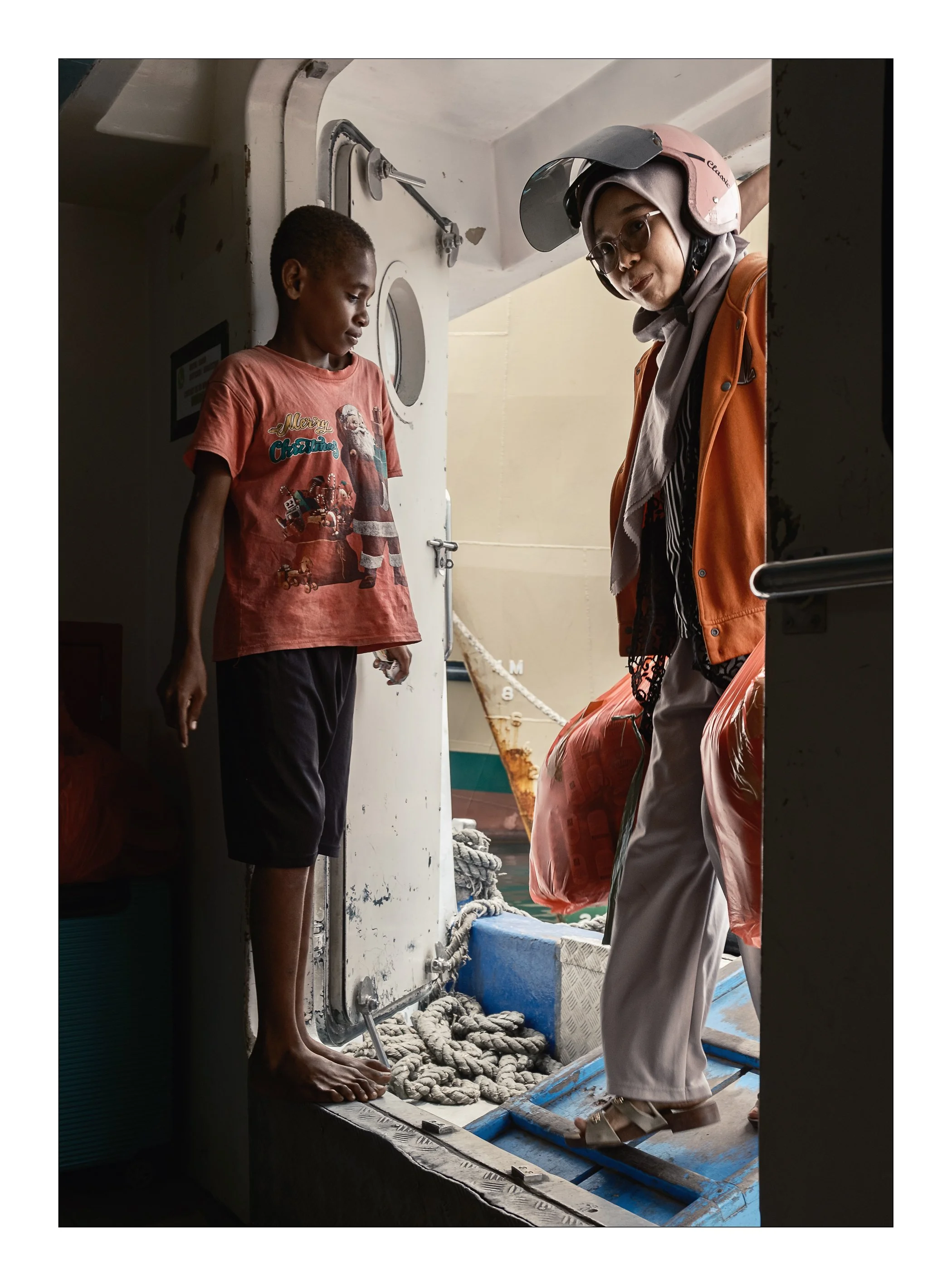
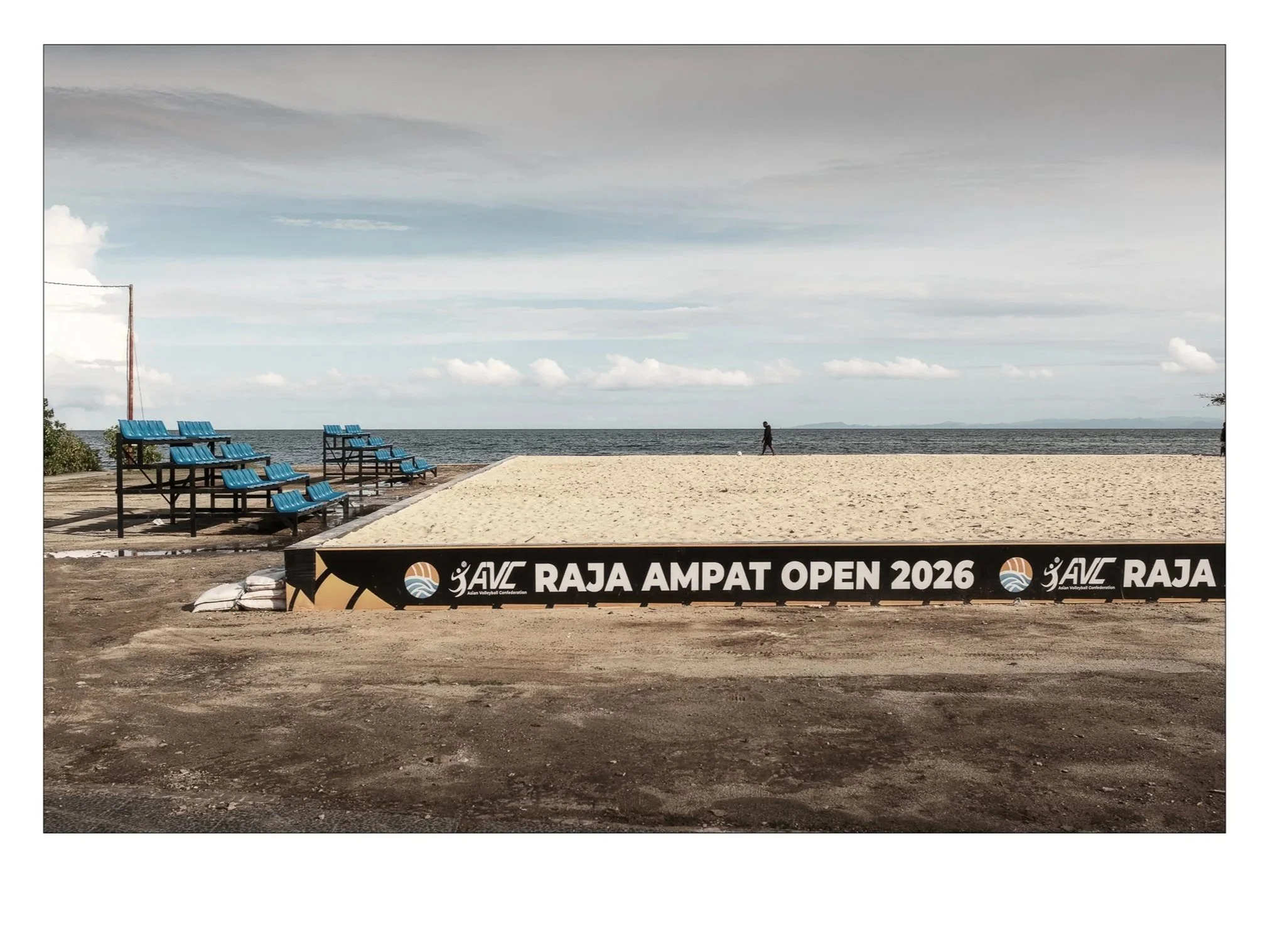
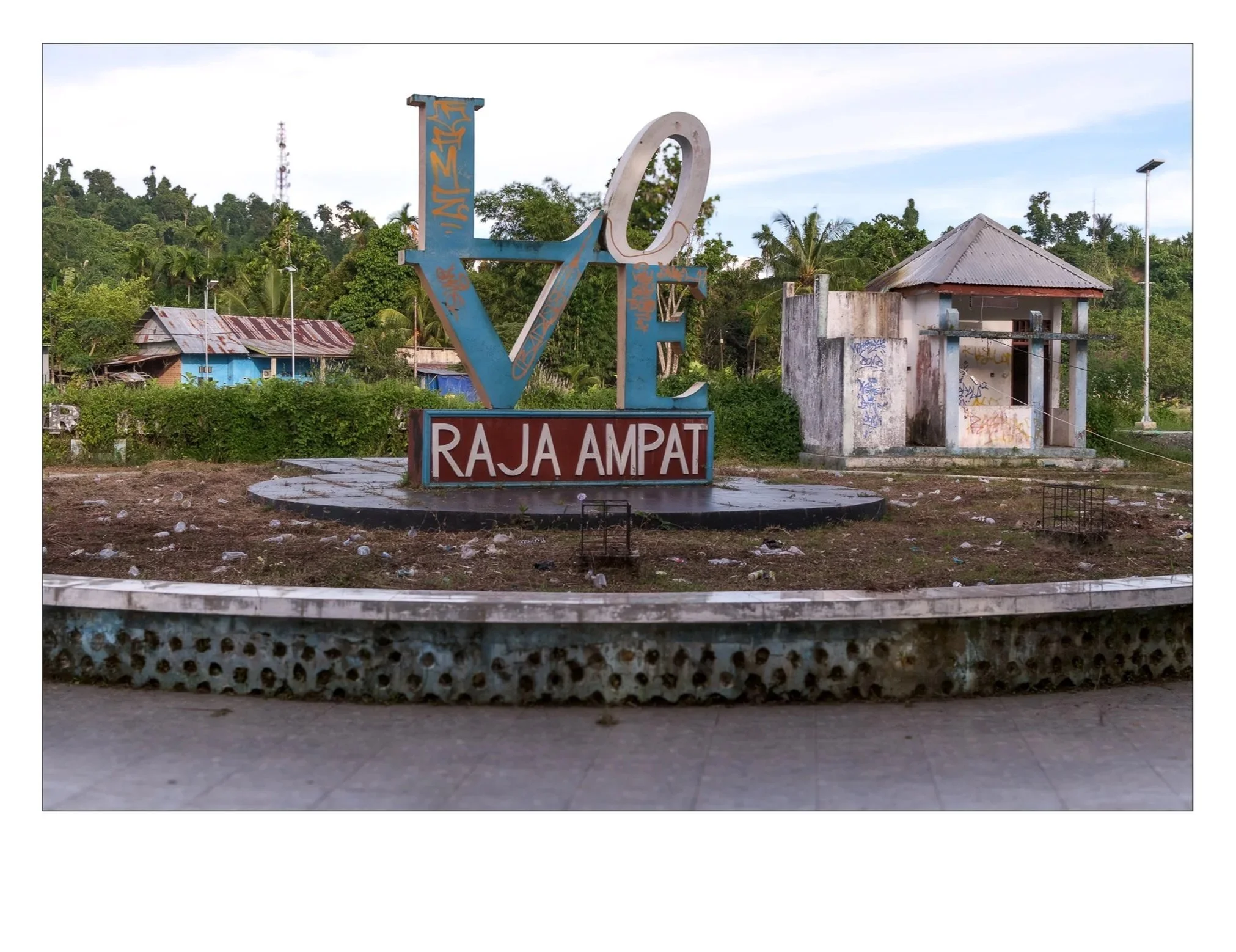
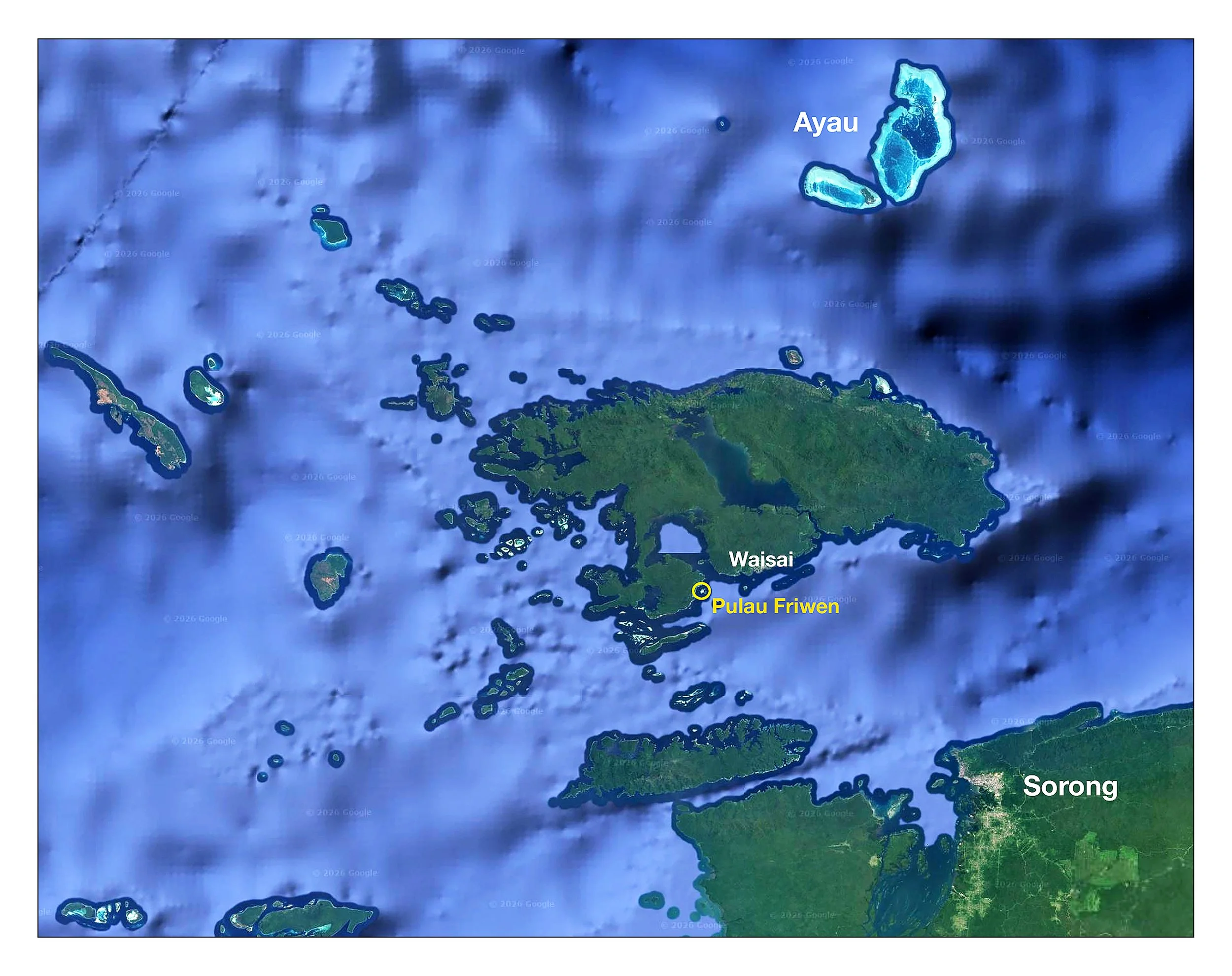
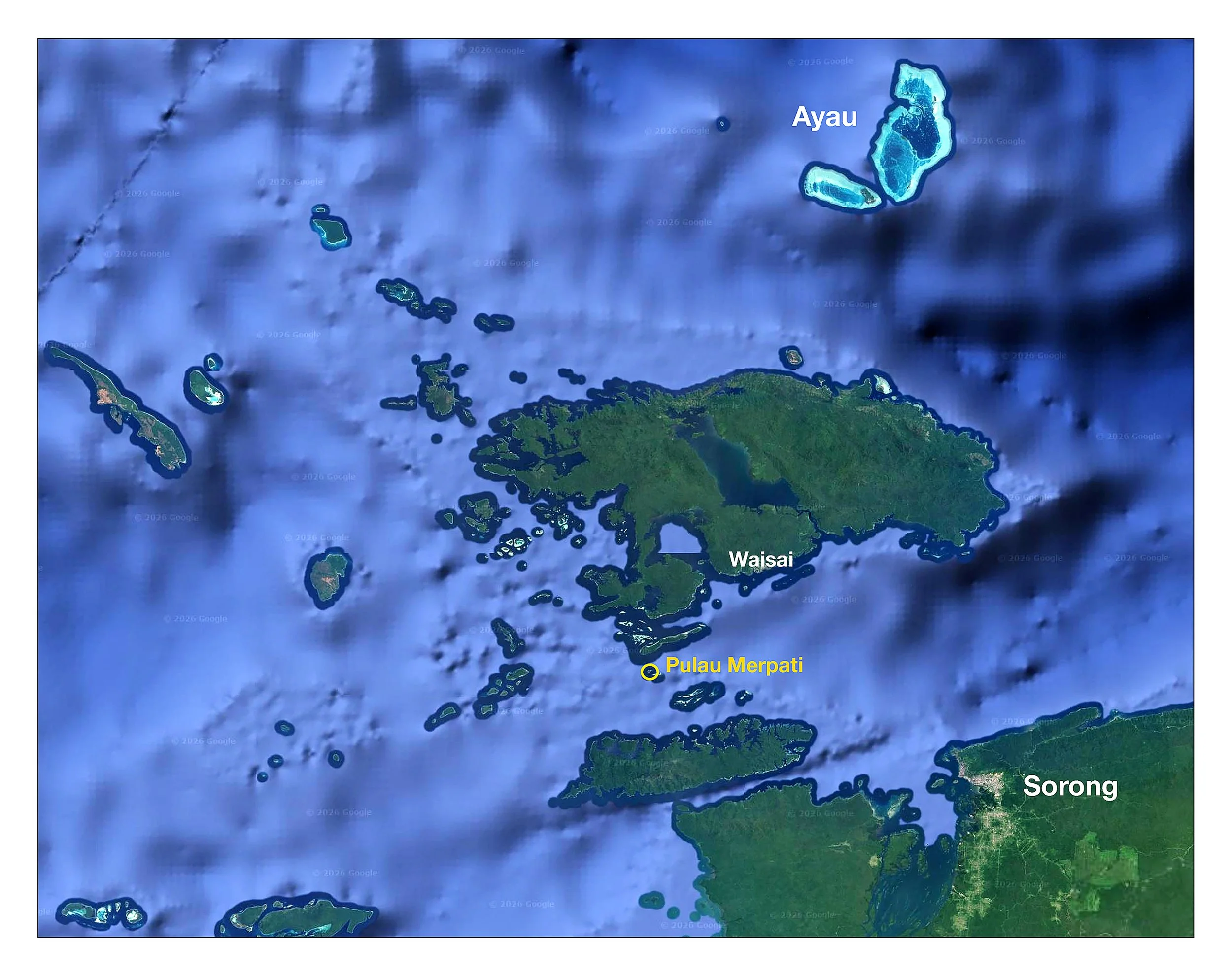
The Raja Ampat adventure typically starts with landing in Sorong, then taking a taxi to the port and waiting for the ferry to Waisai.




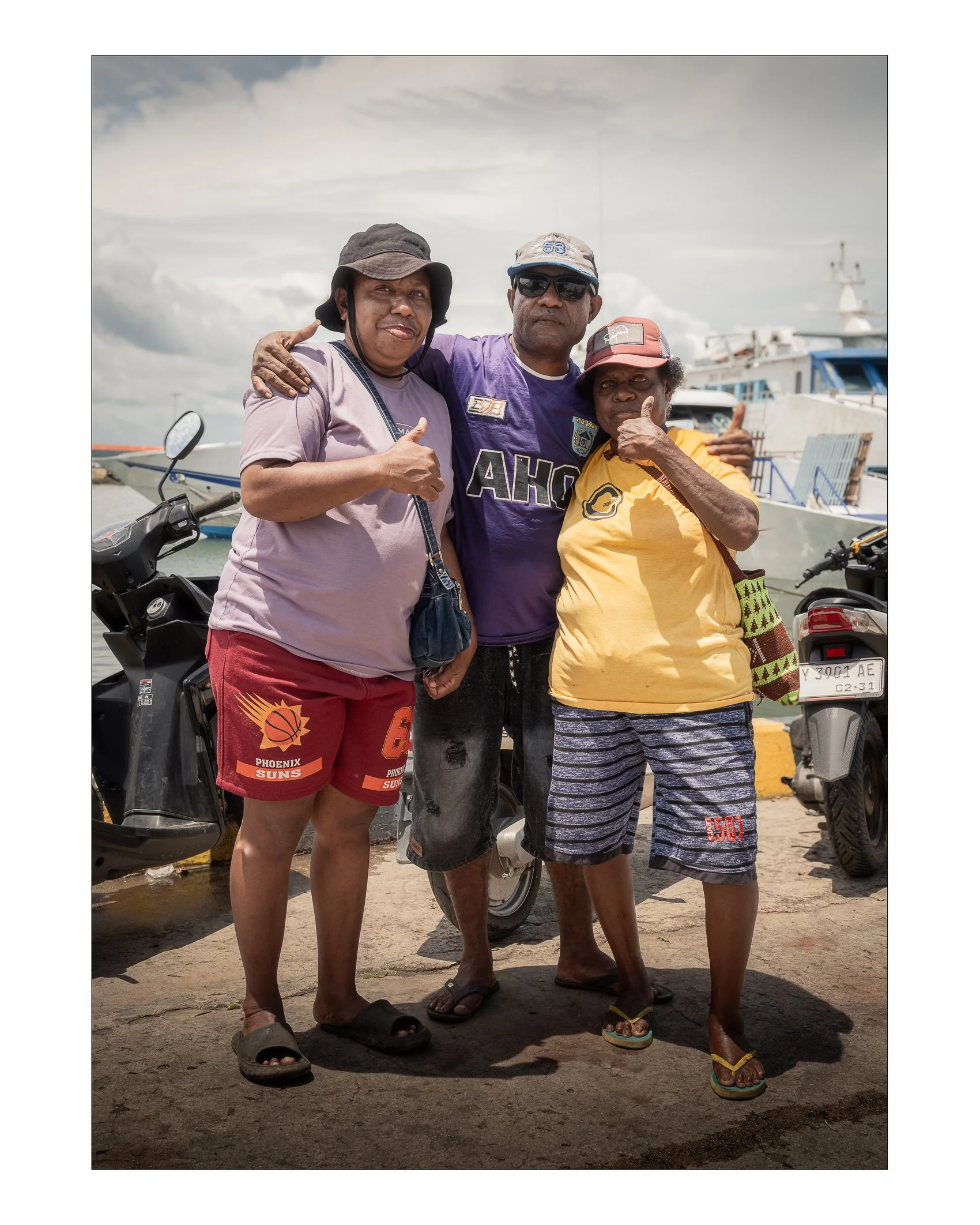


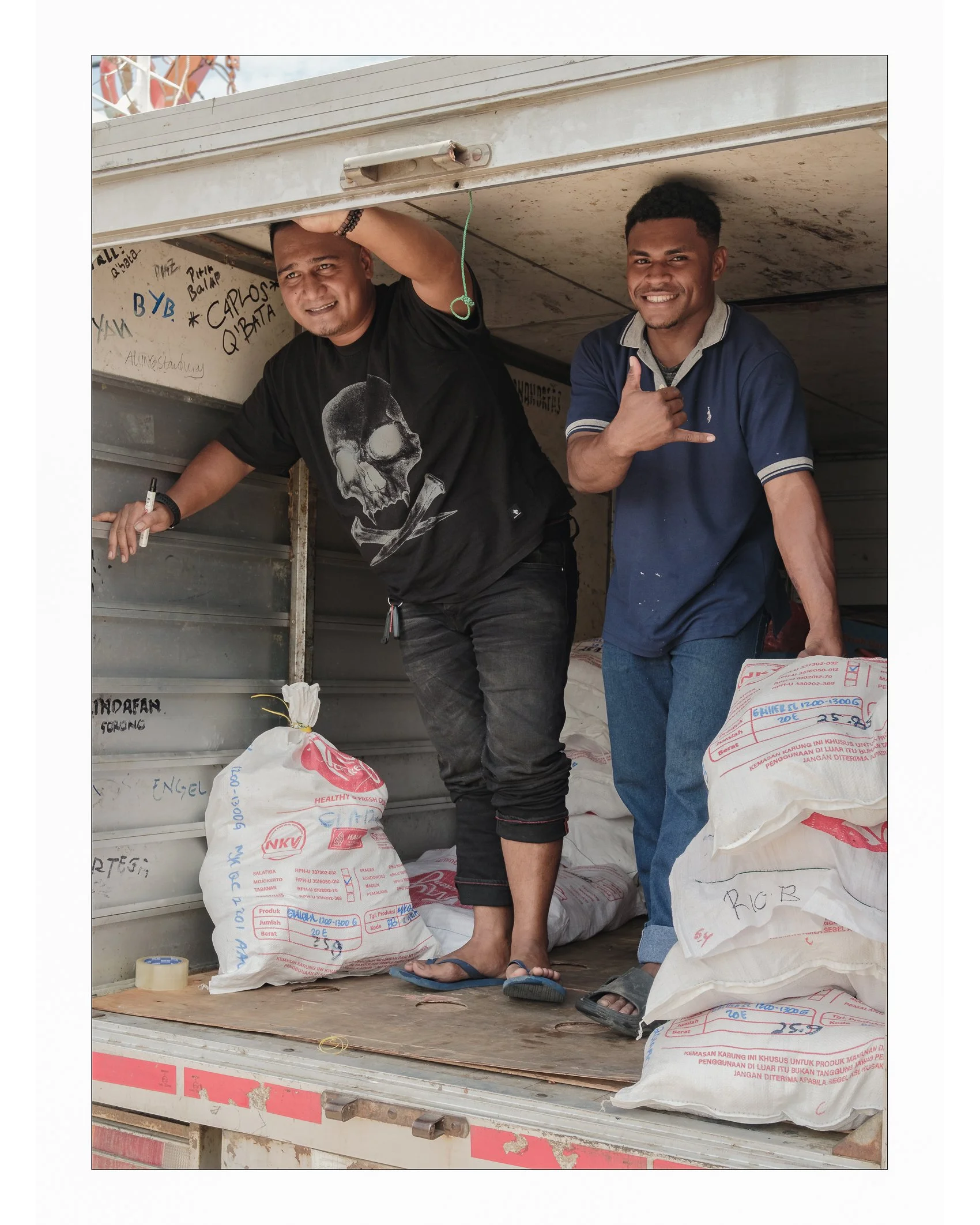

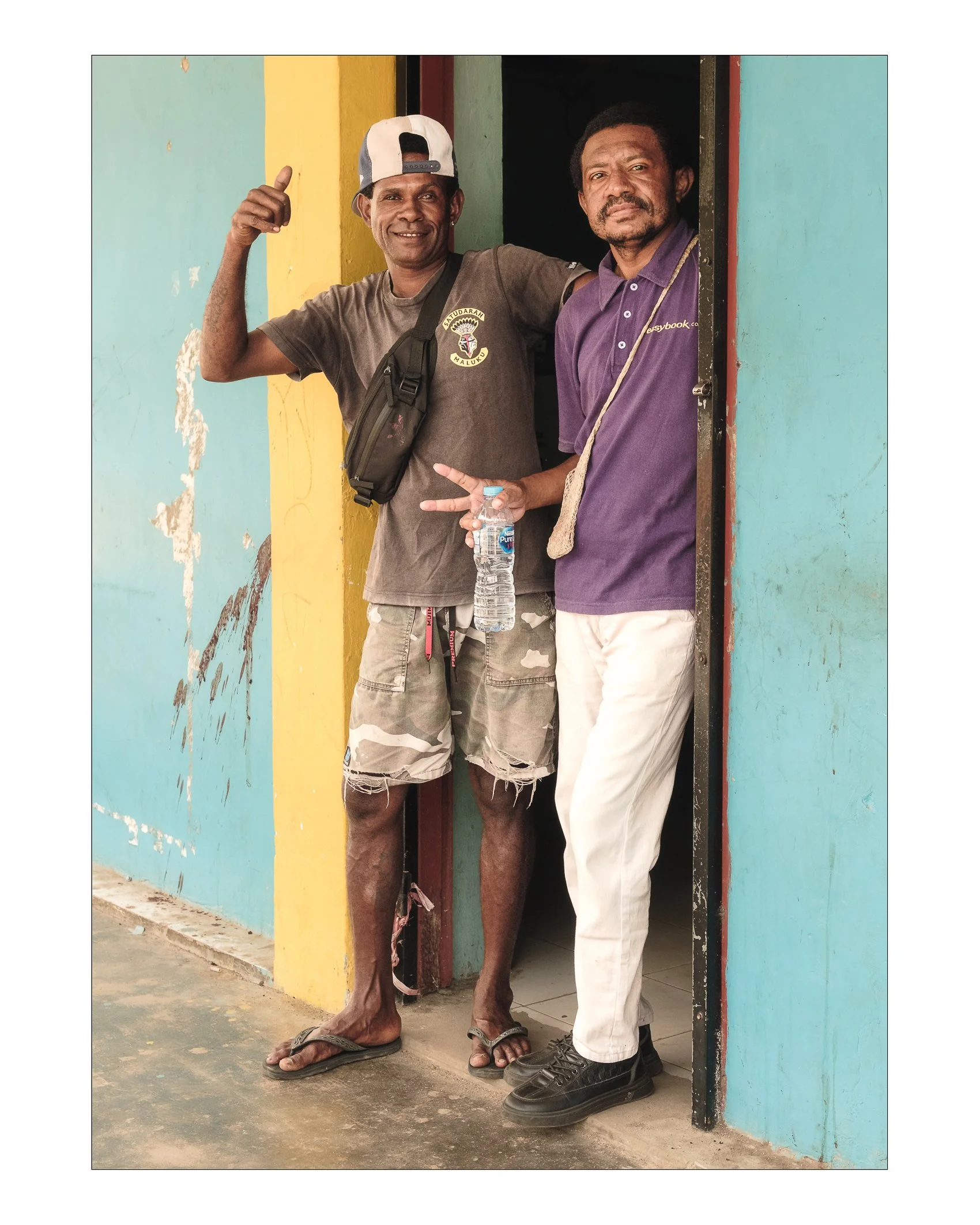
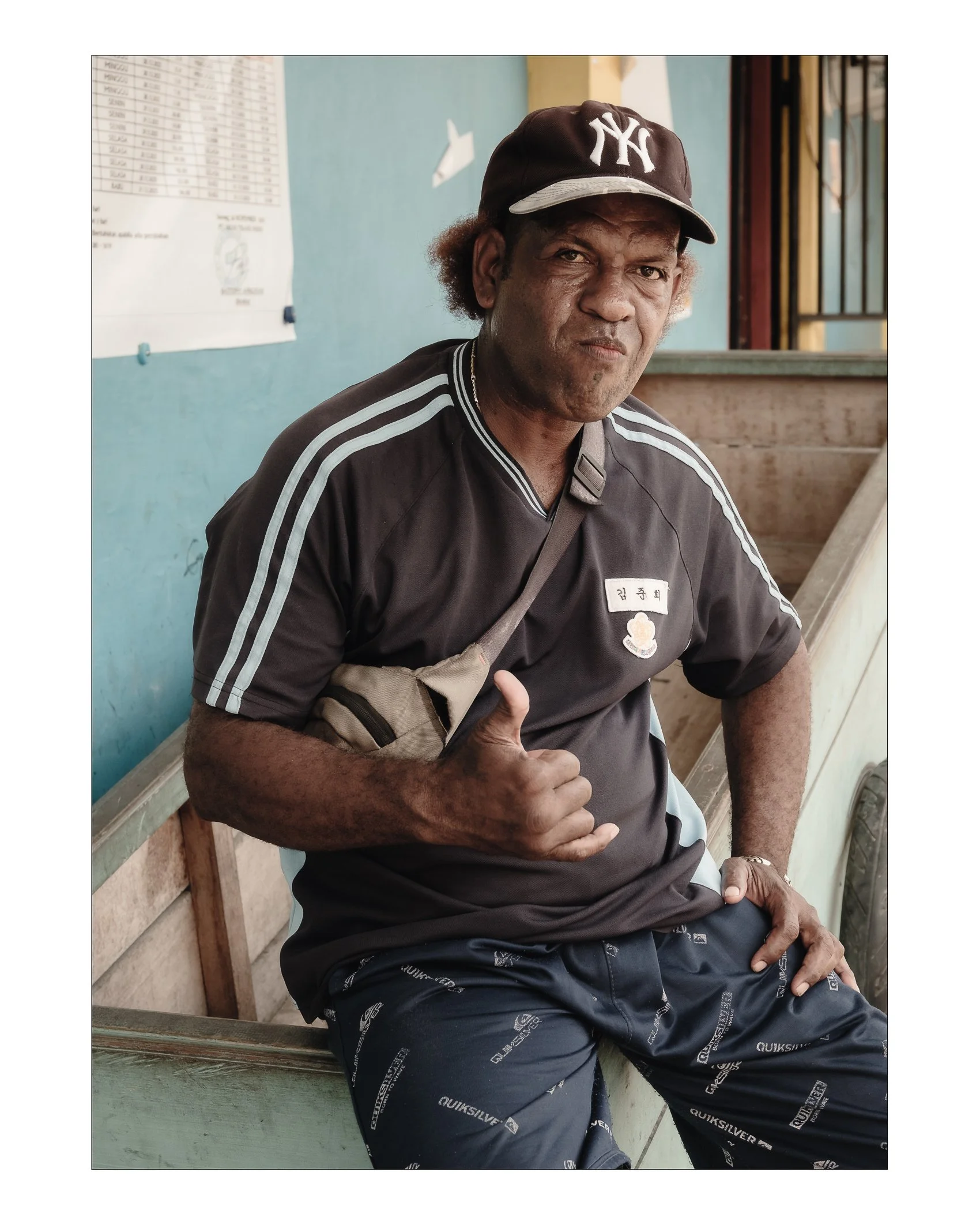
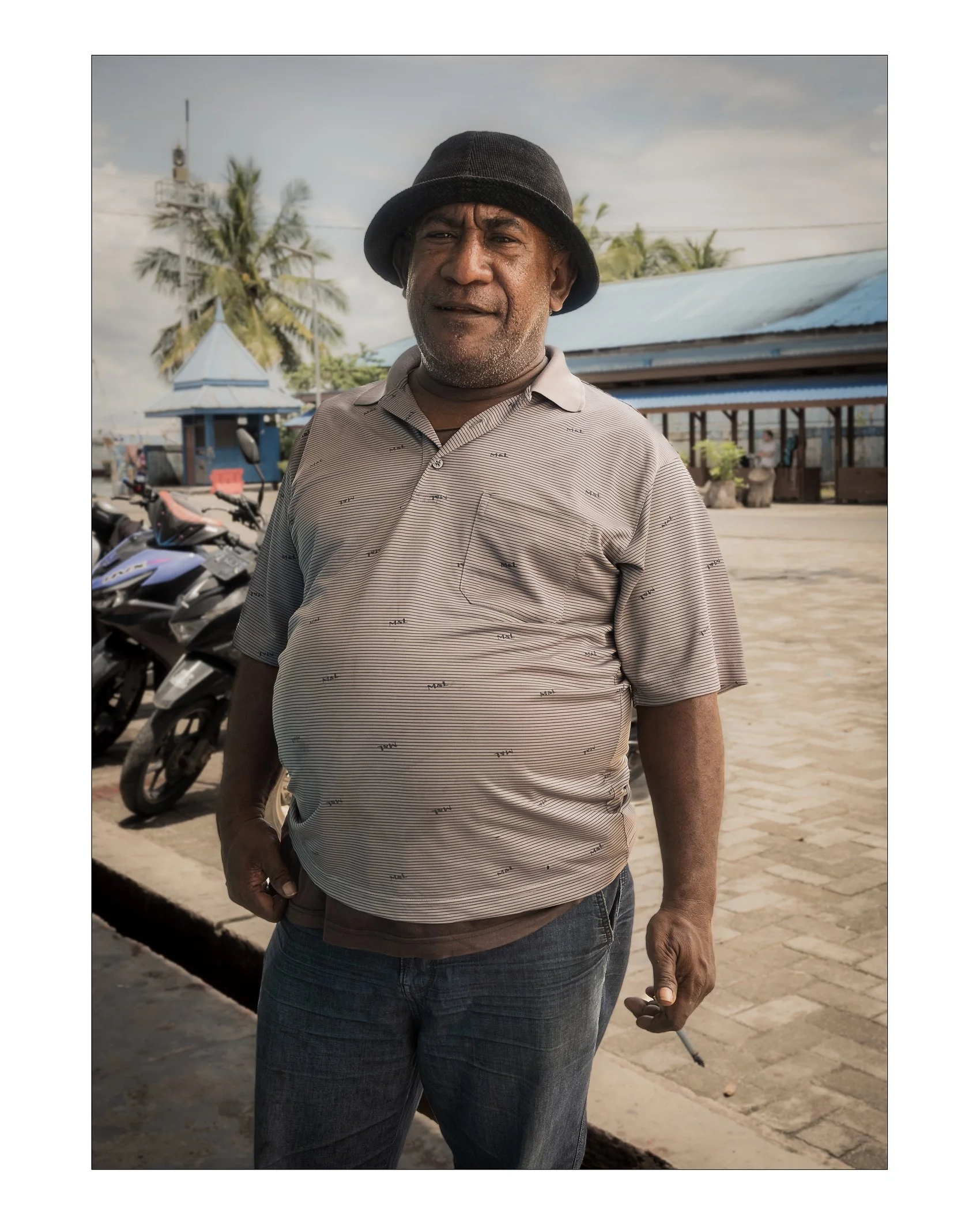
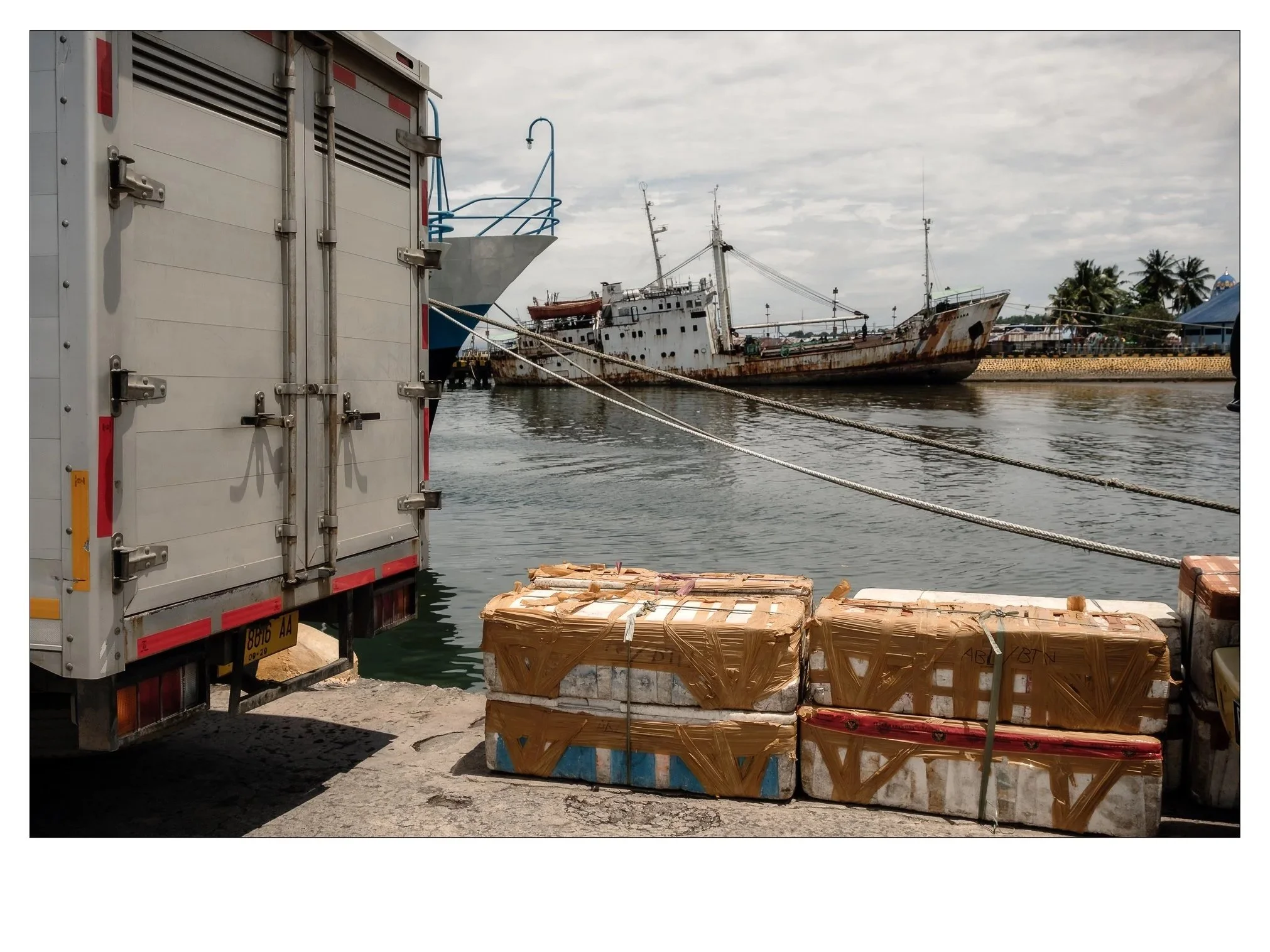
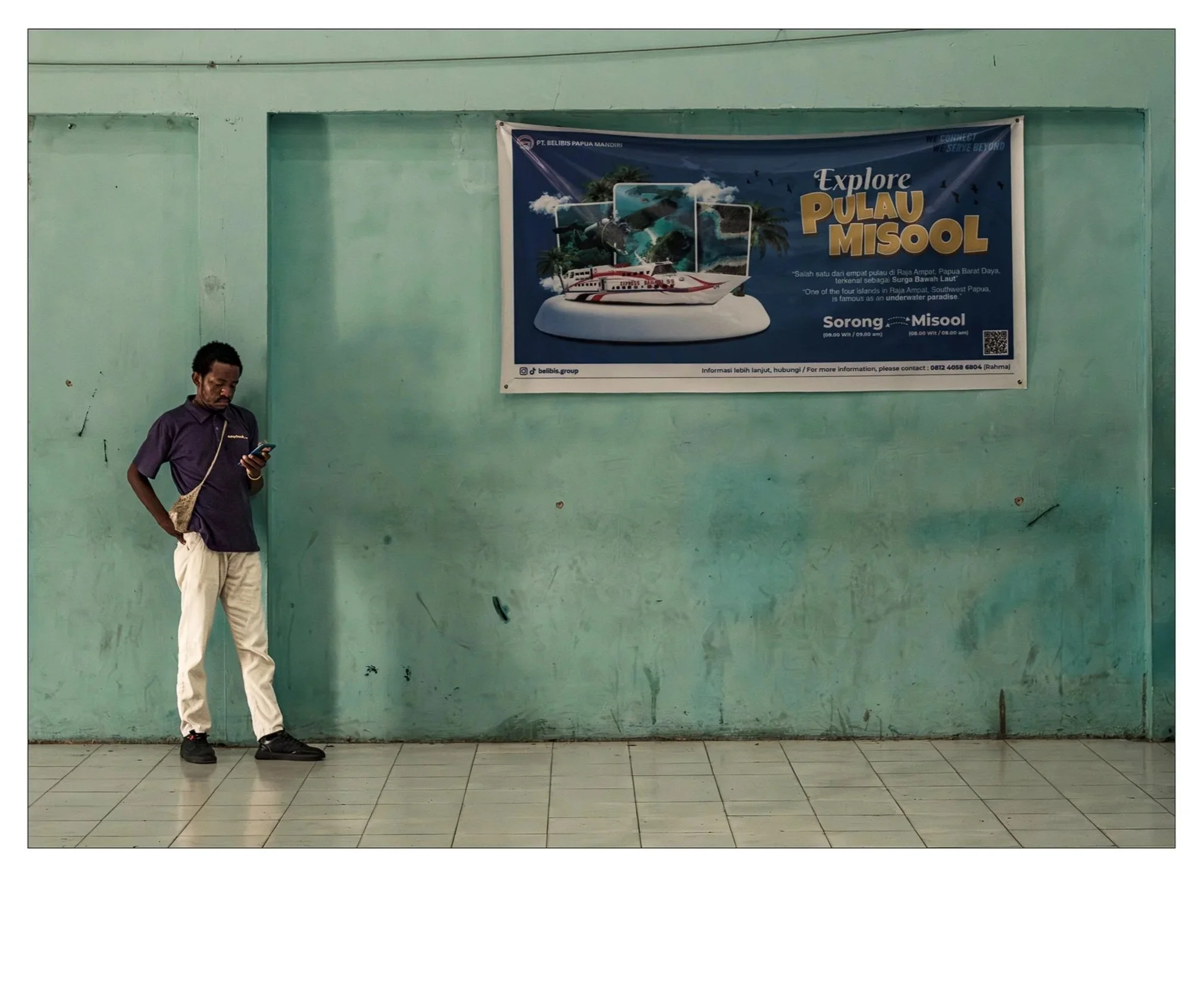





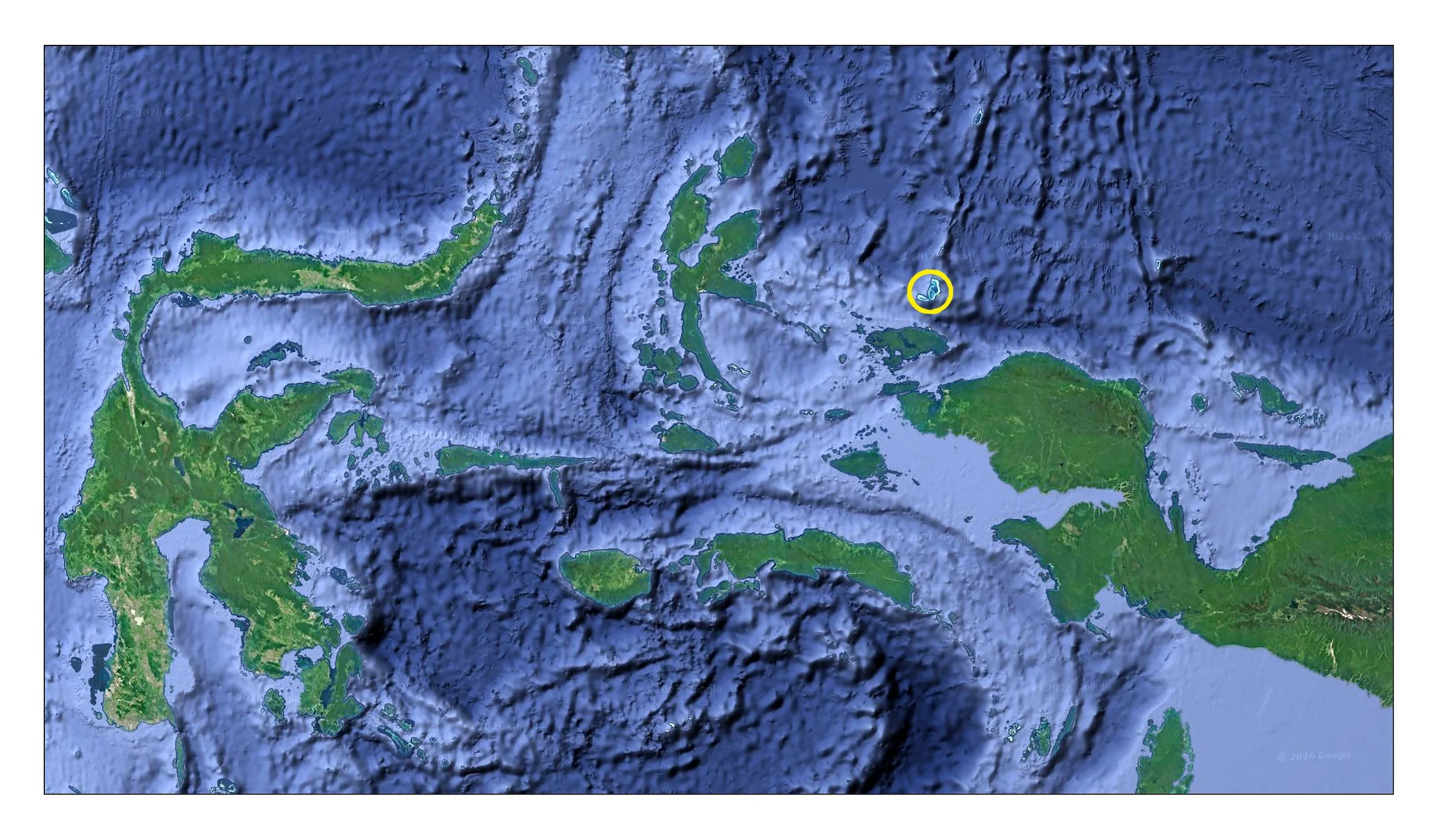
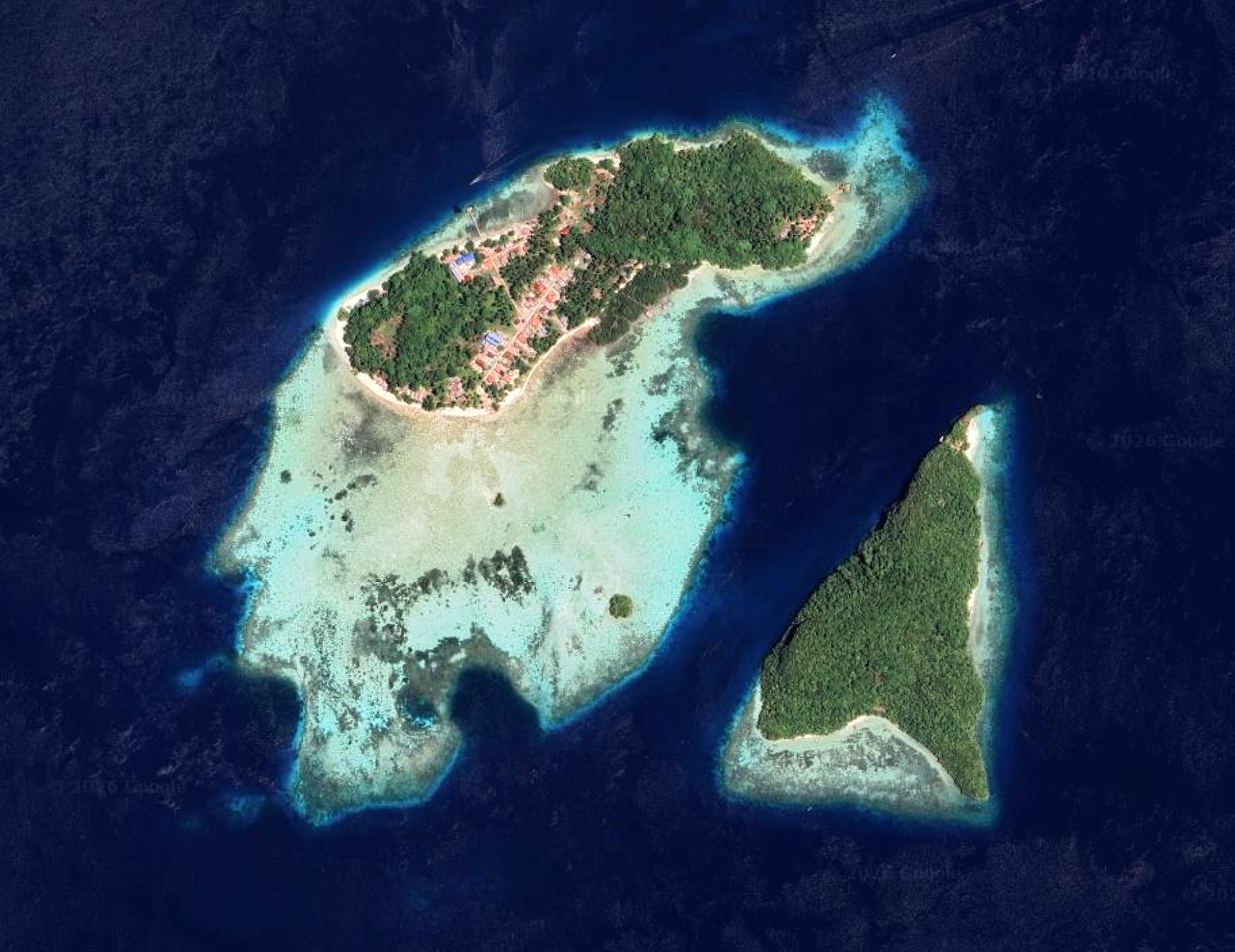
The Ayau Atoll
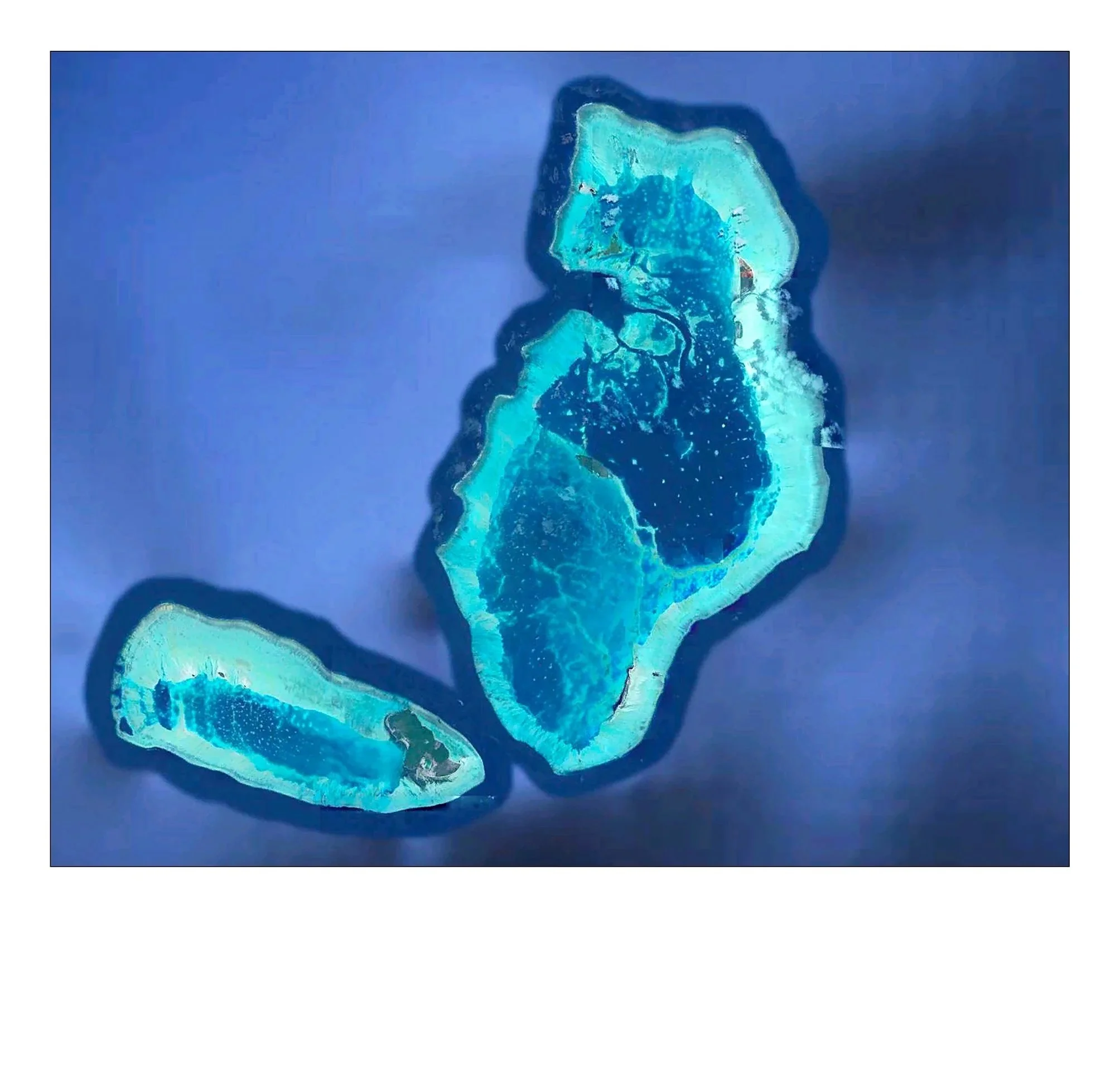
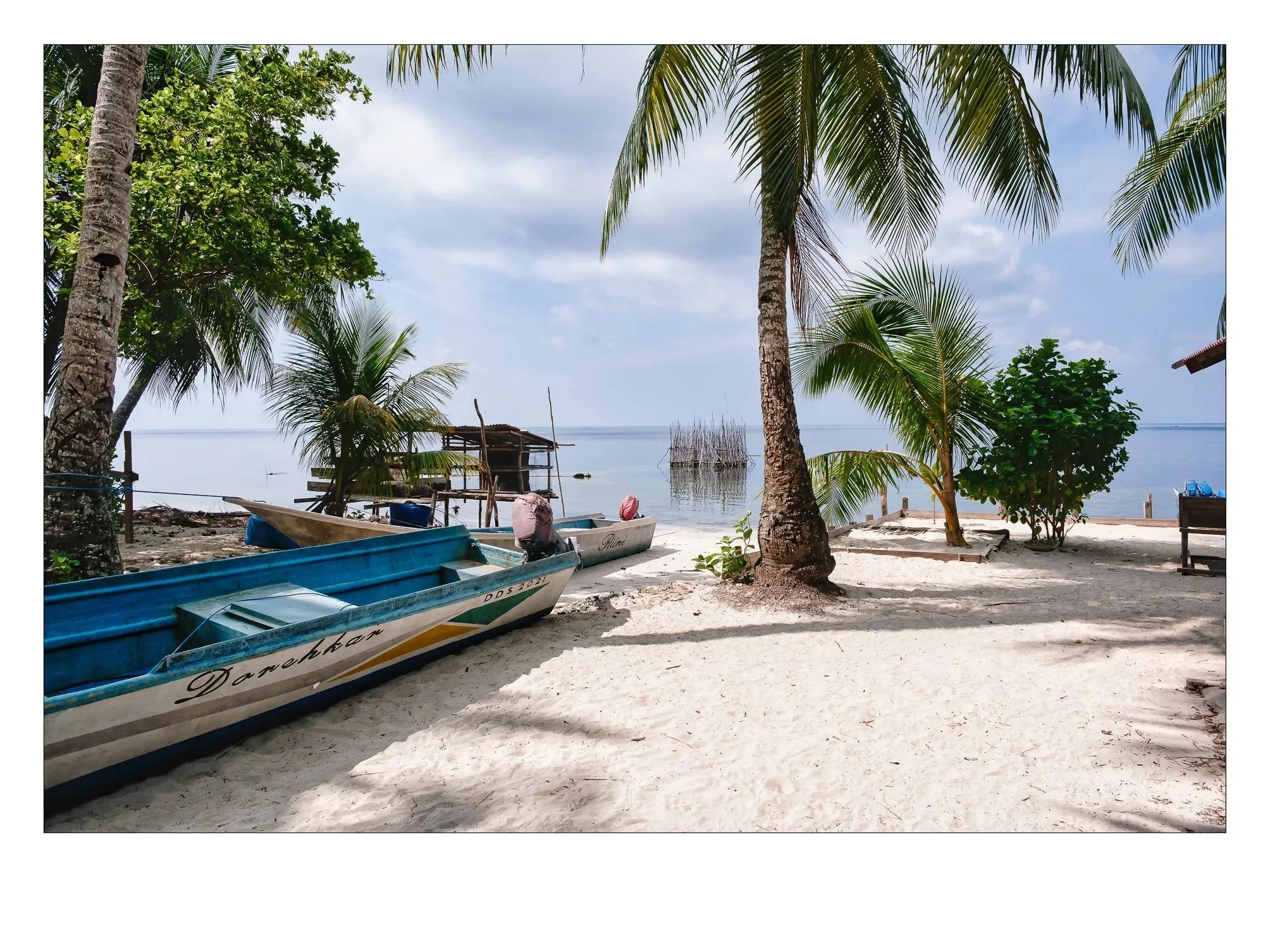
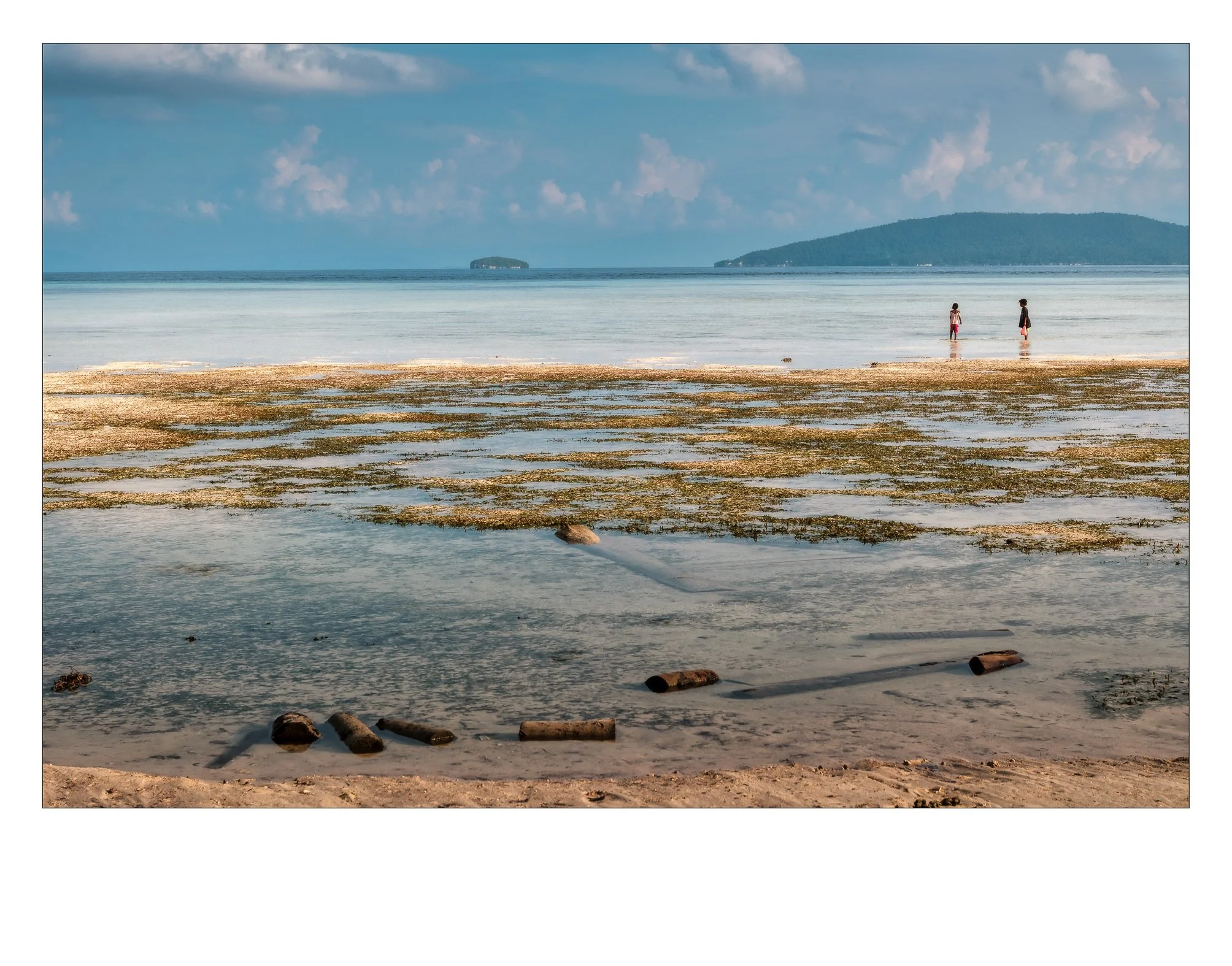
Pulau Ayau feels almost entirely detached from Raja Ampat, or indeed Indonesia; as an atoll in the Western Pacific, it is geographically (and in spirit) already part of the South Seas.
Reaching it is a bit of a journey: you can’t book the twenty-minute flight from Waisai to Kabare online; the ticket has to be organized by the homestay on Ayau, a process requiring endless WhatsApp messages and an international advance wire transfer. From Kabare, located on Waigeo’s northern coast, it’s another two hours in a small boat.
Because the return flight to Waisai leaves early in the morning, heading back requires a mandatory overnight stay in dreary Kabare.
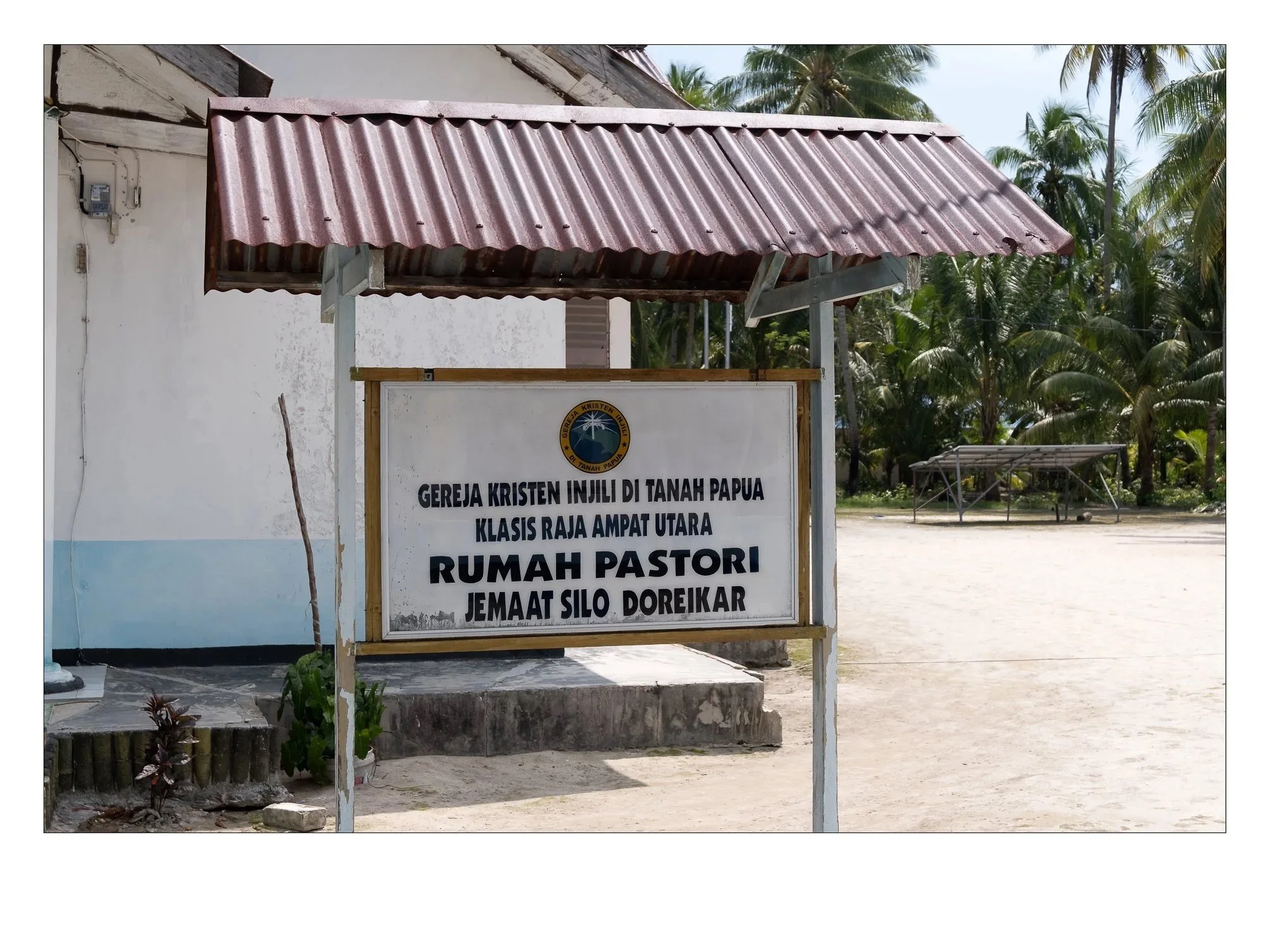
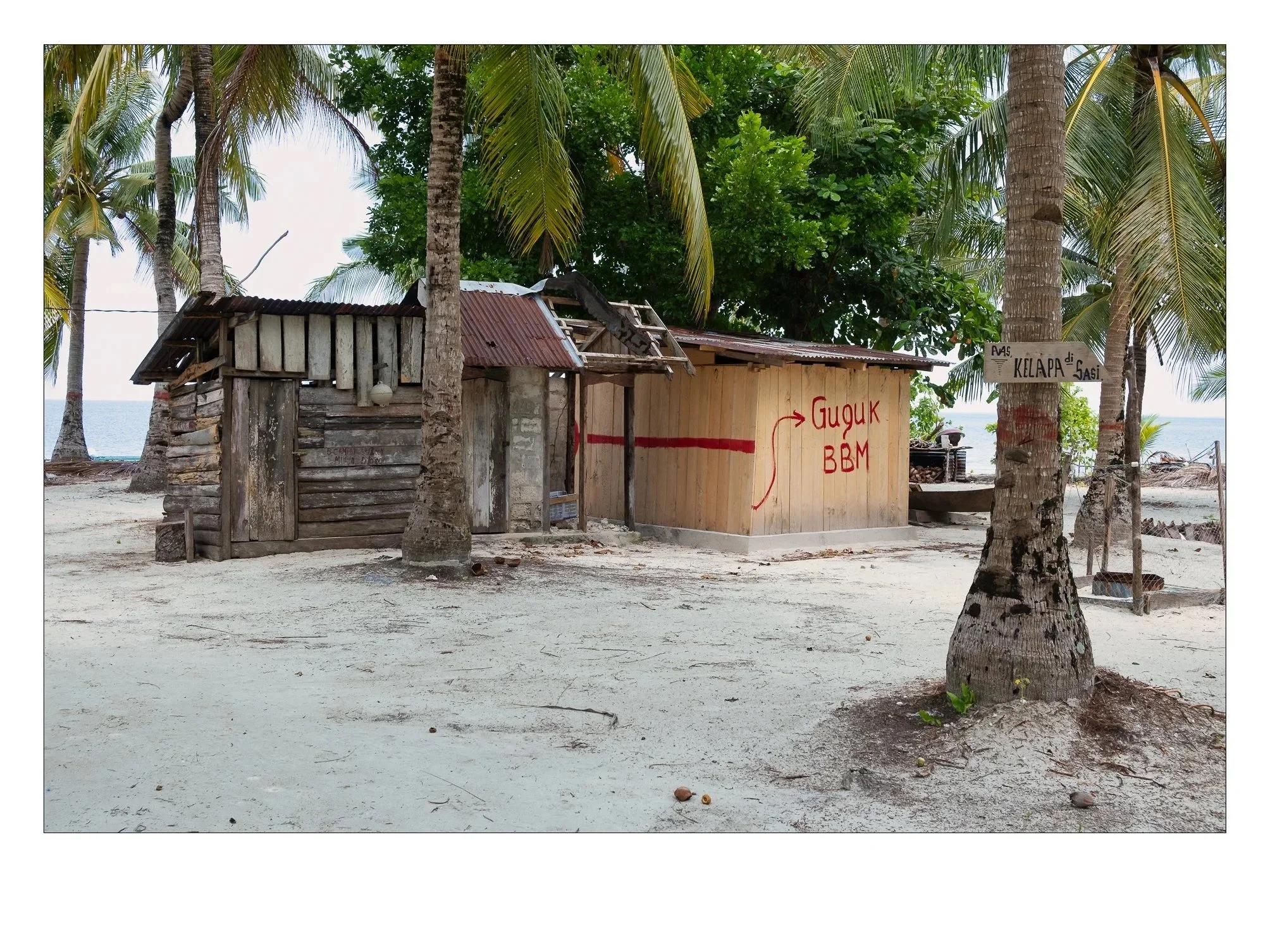
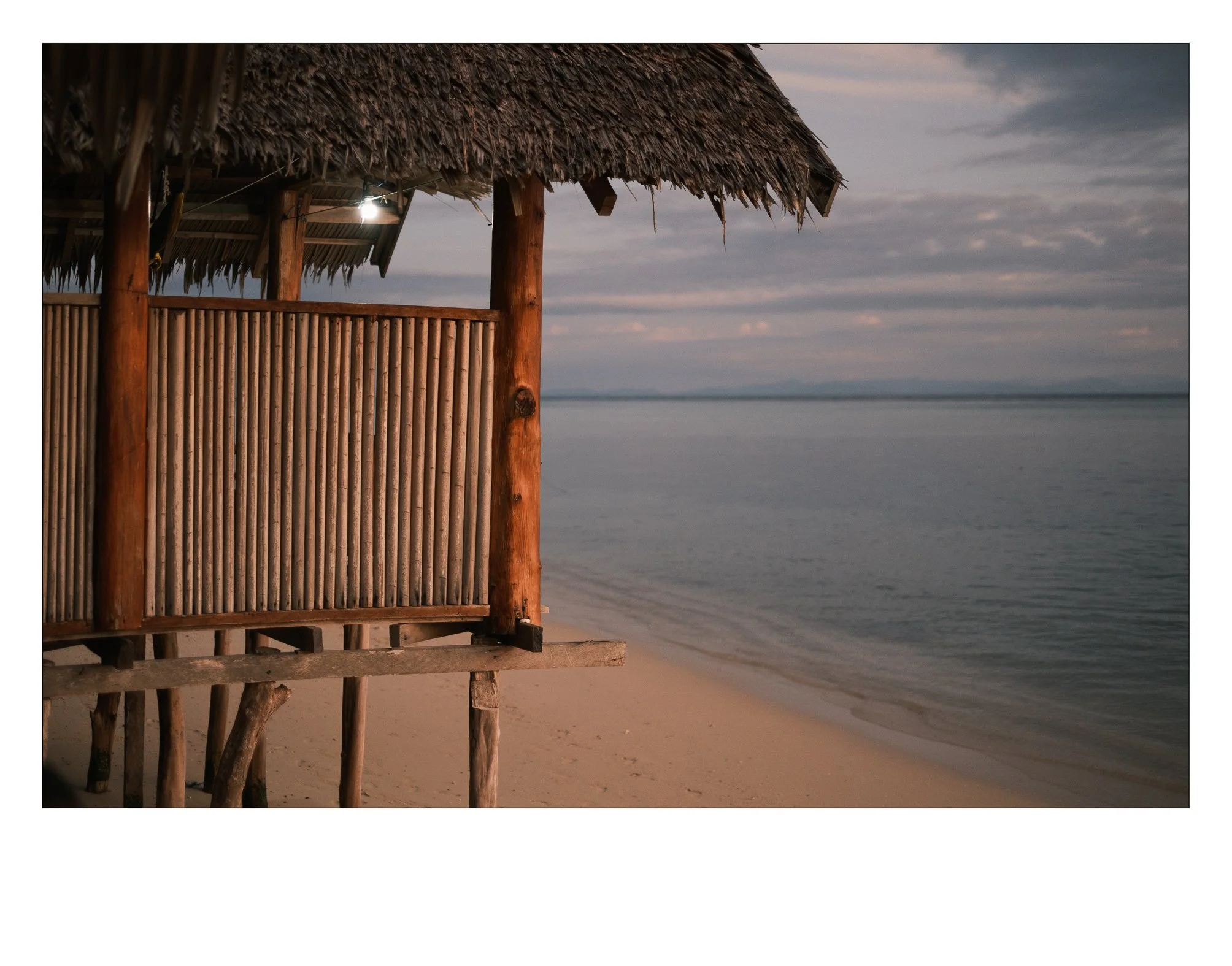
The only accommodation on Ayau is—as is typical for Raja Ampat—a homestay: some beach huts run by a local family. Three nice meals are served daily, and the hot water for instant coffee or tea is ready at six in the morning, right at sunrise.
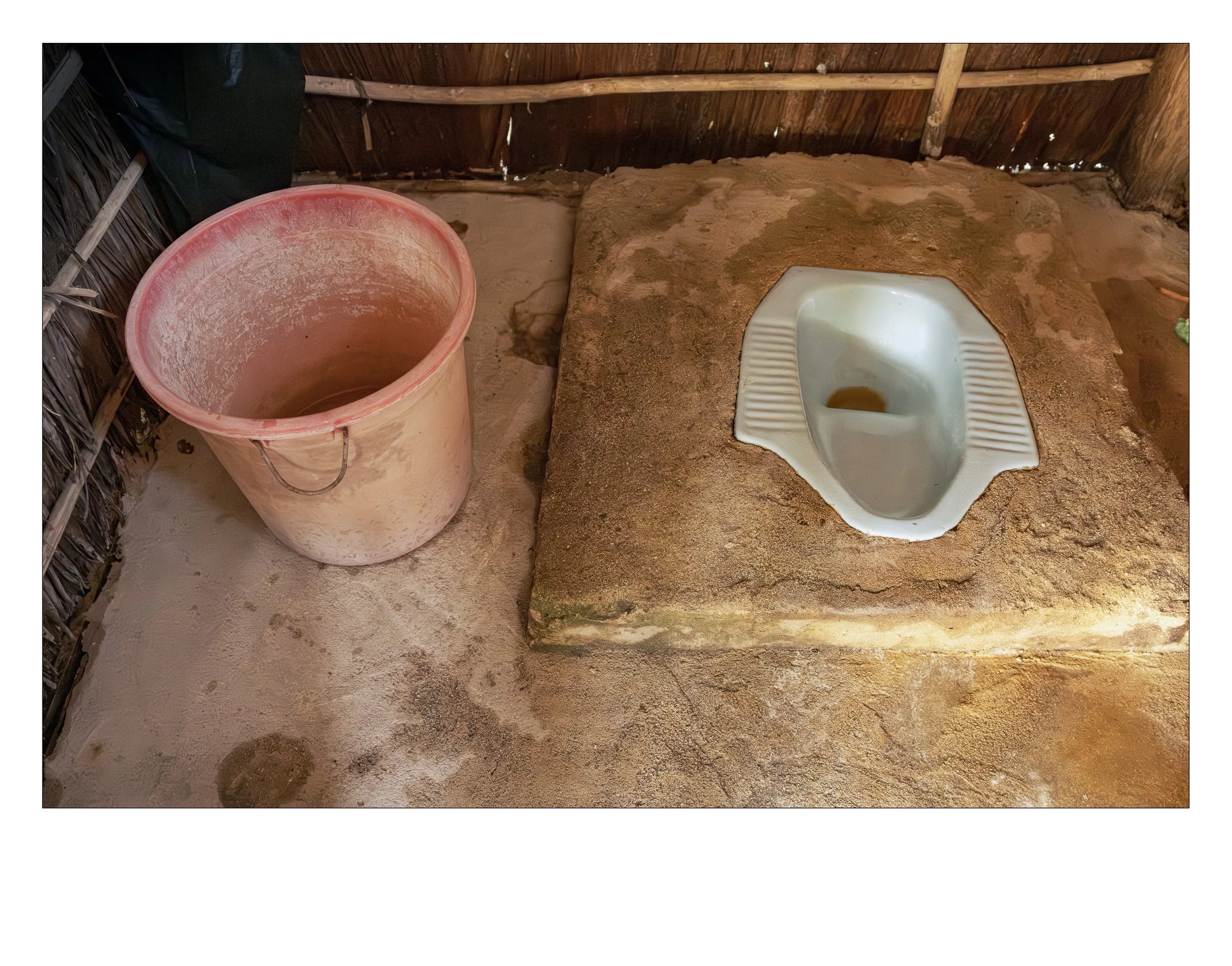
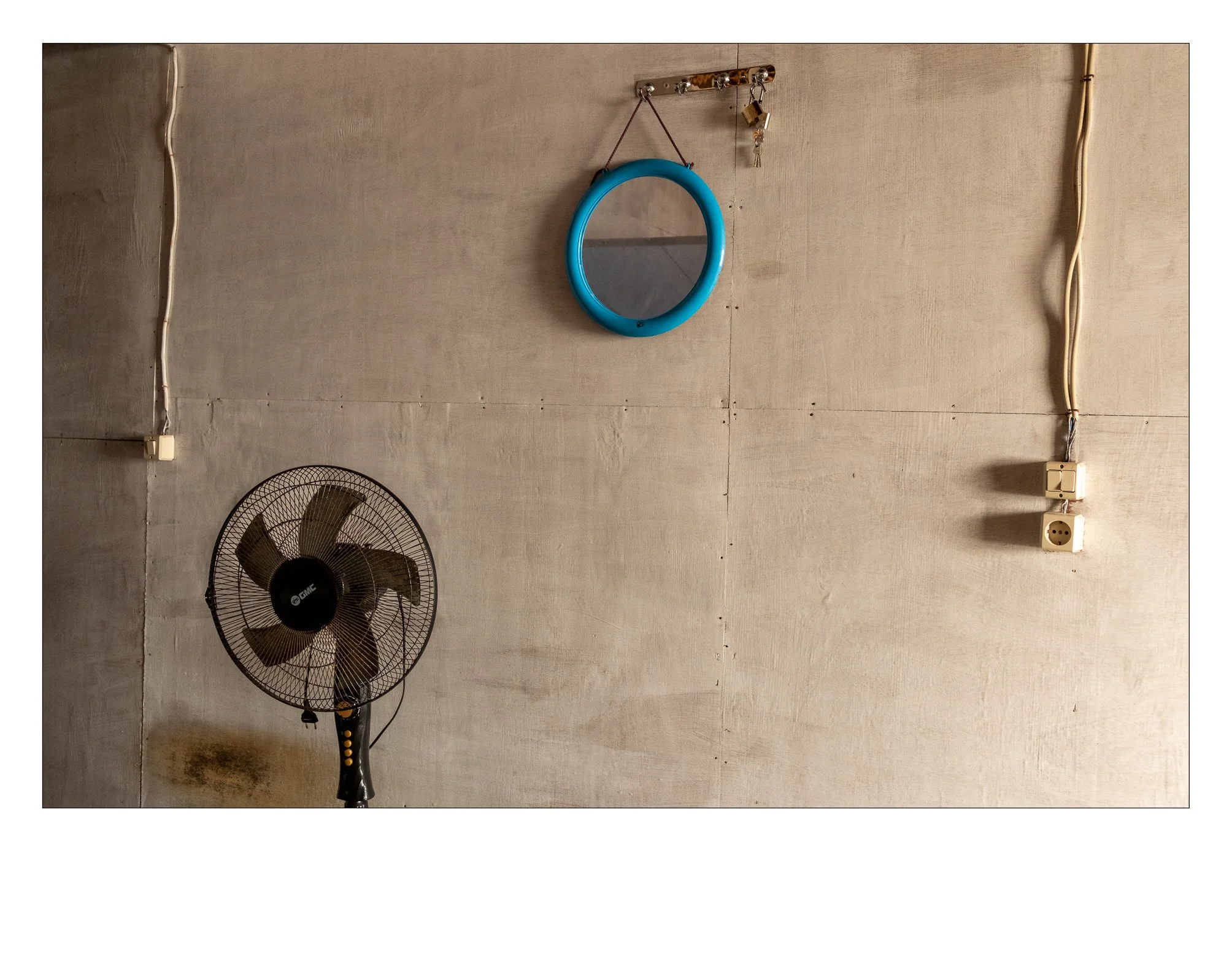
The toilet is a hole in the ground, the shower a barrel with a ladle: island-style. There is no cell service on the atoll, but in the evenings—when the generator is fired up for a few hours—the host switches on the Starlink antenna. That finally explained why our months of WhatsApp exchanges about bookings and flights always took place within a tight three-hour window. Without Google Translate, even that would have been impossible, since no one on the atoll speaks a word of English. Being the only guest at the homestay (and the only tourist for at least fifty miles around), my week on the atoll was characterized by rather rudimentary communication.
Quite a charming habit of the locals, by the way, is sleeping not in beds, but in sand hollows. A discreet peek into one of the homes confirmed it: the bedroom indeed featured a cozy hollow in the sandy floor, framed by wooden beams.
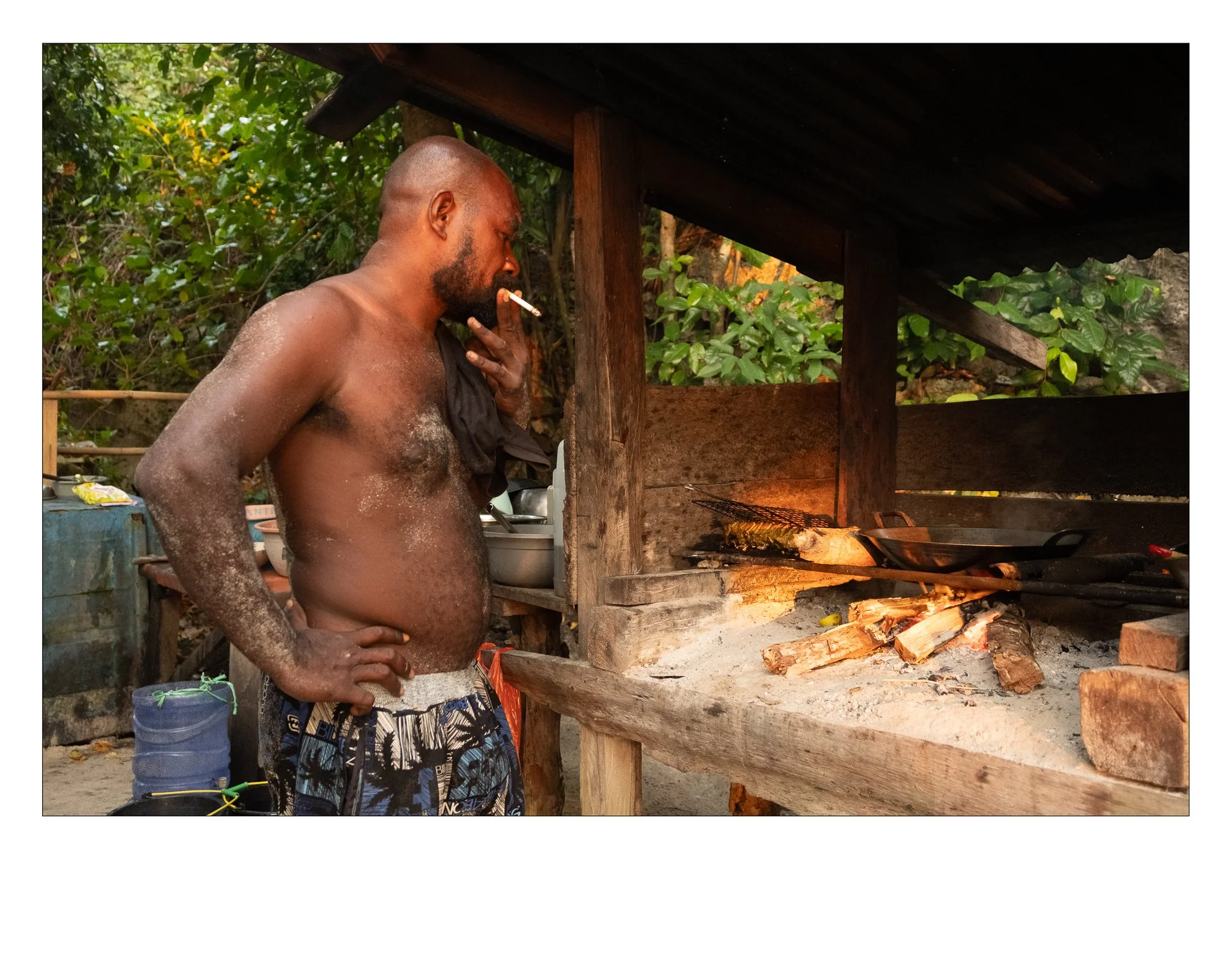
Beni in the kitchen



communicating with the outside world

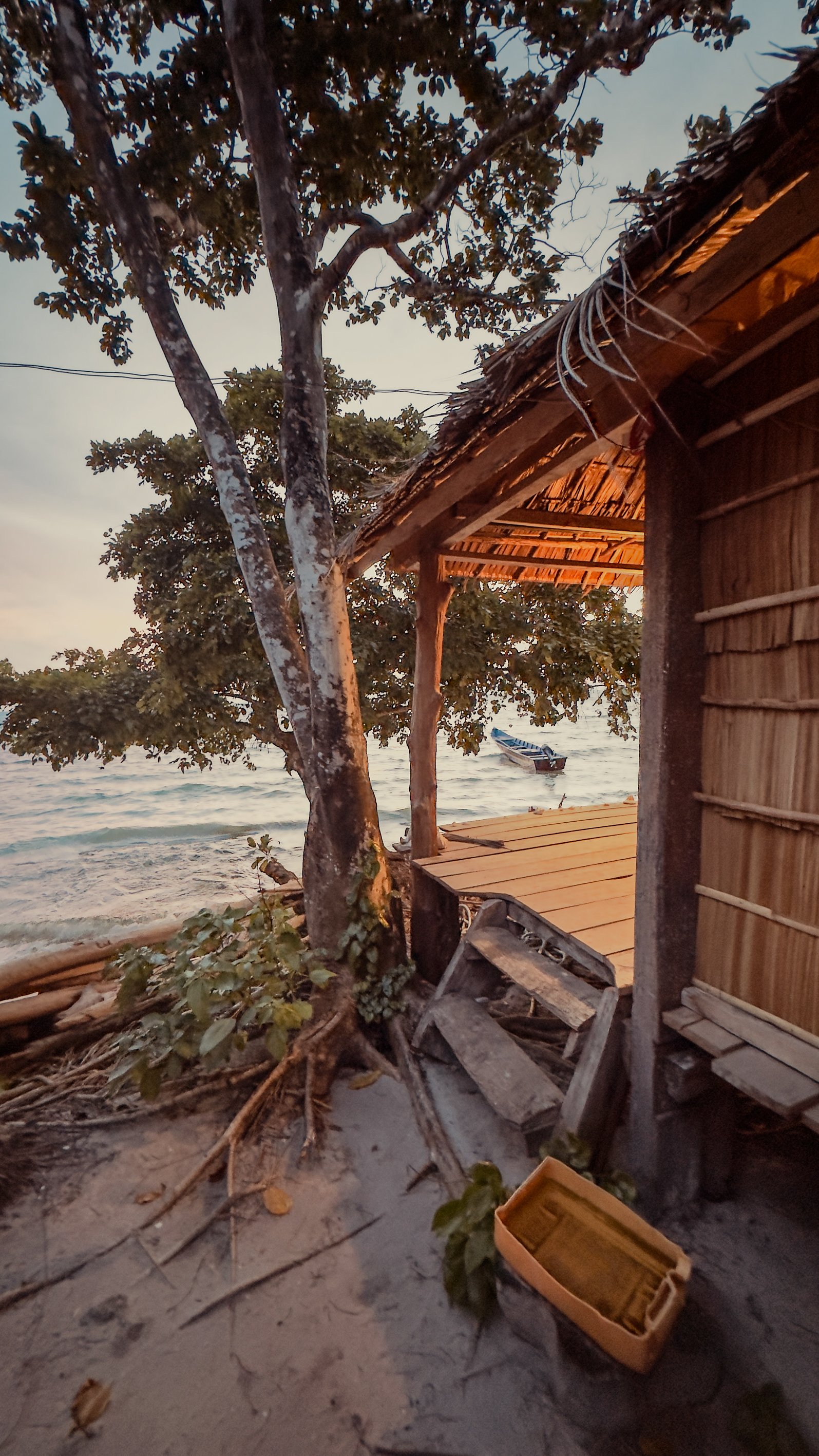
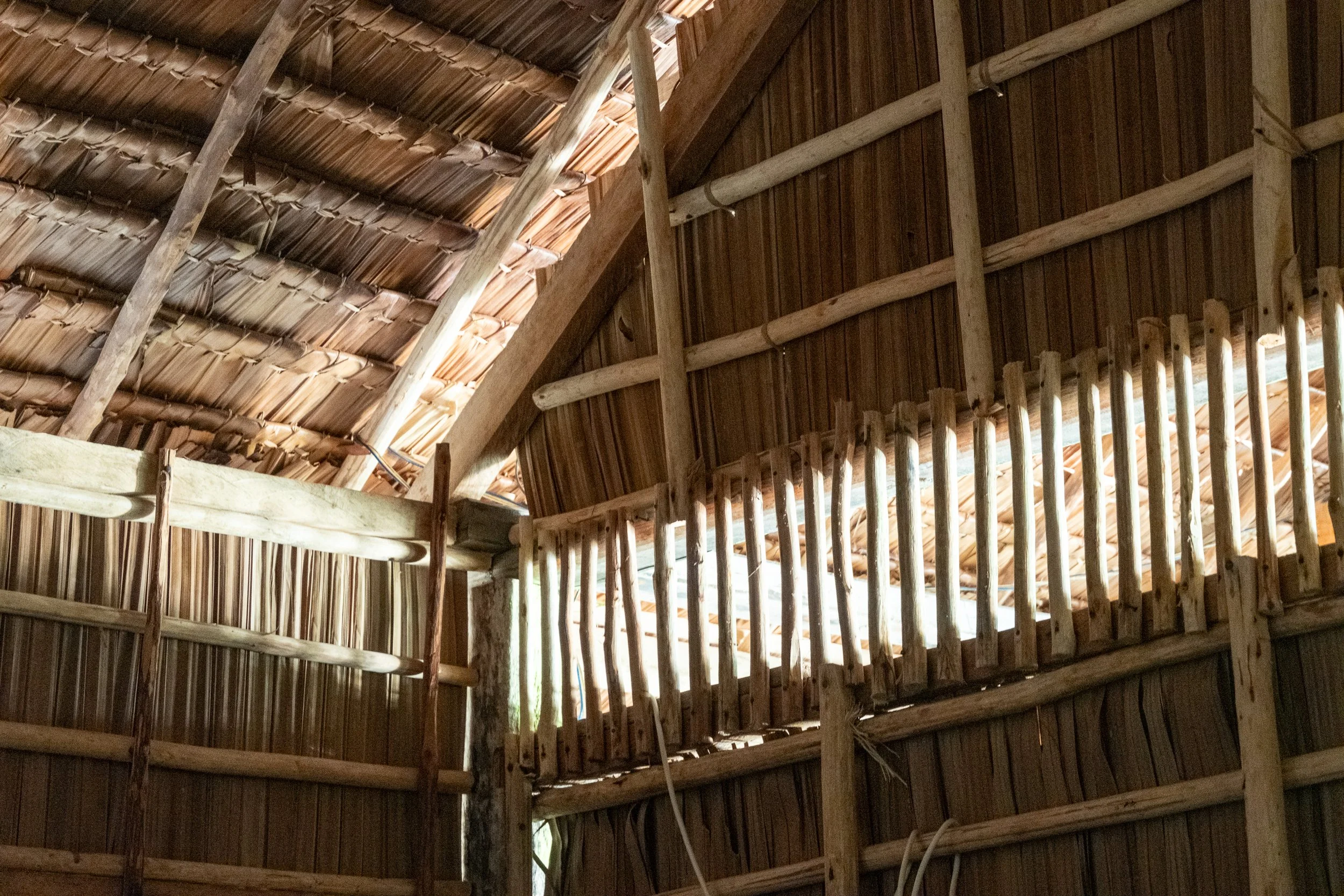
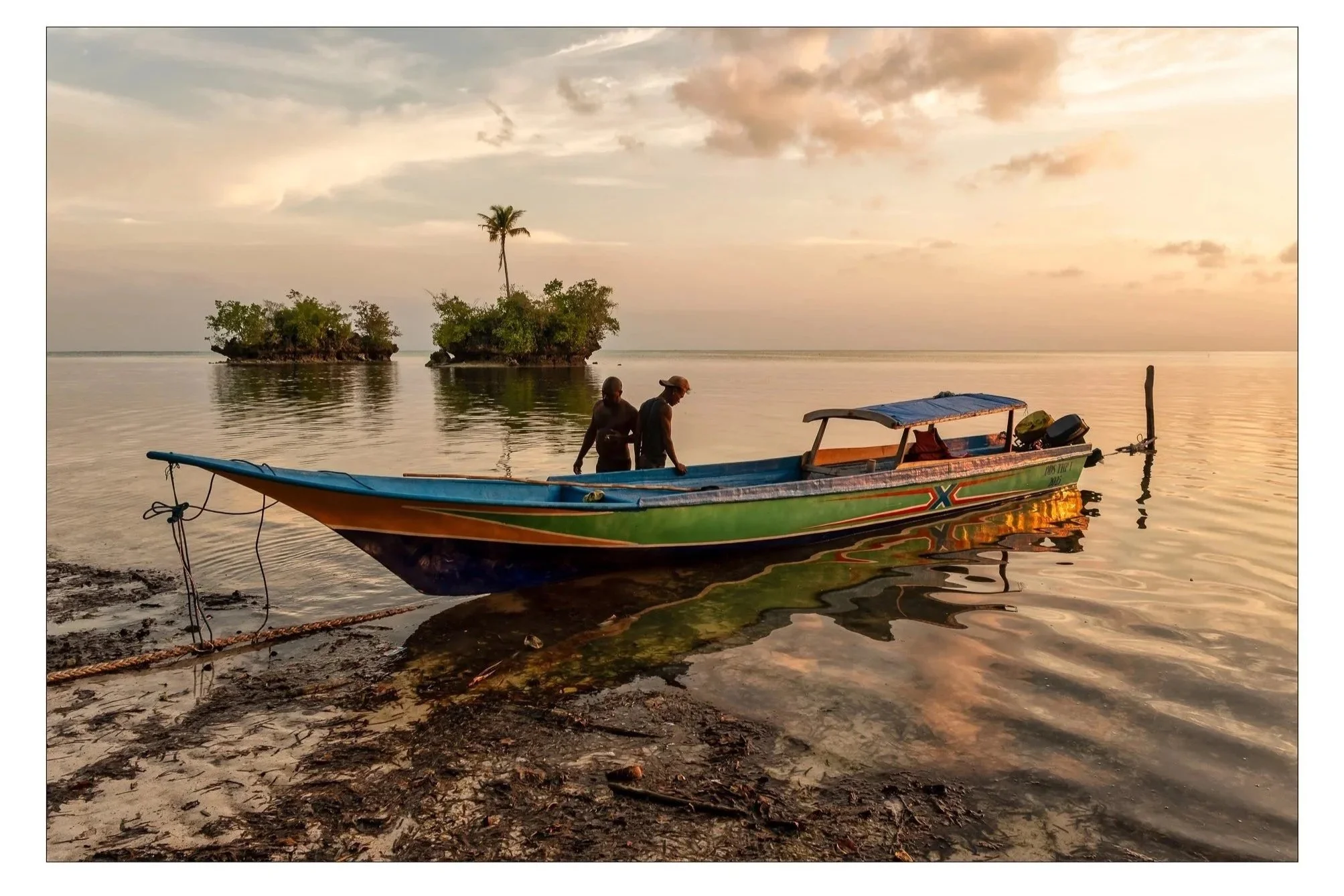
So, what to do on the Ayau Atoll? Boat trips, every day—except on Sundays, when everyone takes a rest.
Due to a lack of tourists, Ayau does not have a dive center, so the boat trips led by Beni were primarily snorkeling excursions. Perhaps it was good timing that I hadn’t seen Raja Ampat’s truly spectacular reefs yet — because in terms of coral and fish abundance, Ayau is rather underwhelming: Although Ayau is administratively part of Raja Ampat, it lies outside the marine protected area patrolled by rangers: fishing is heavily practiced here, and according to informed sources, dynamite fishing has been practiced in the not-so- distant past.
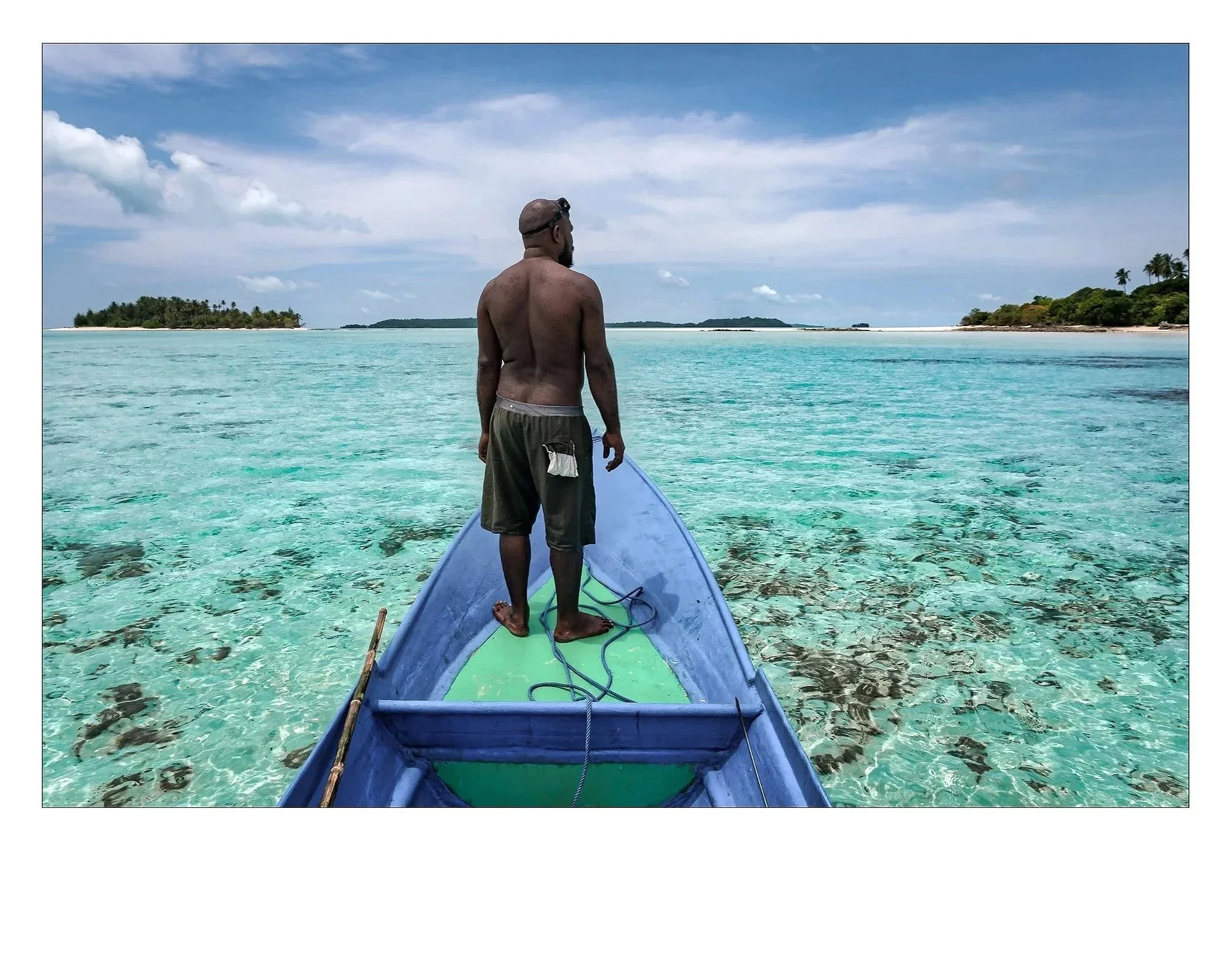
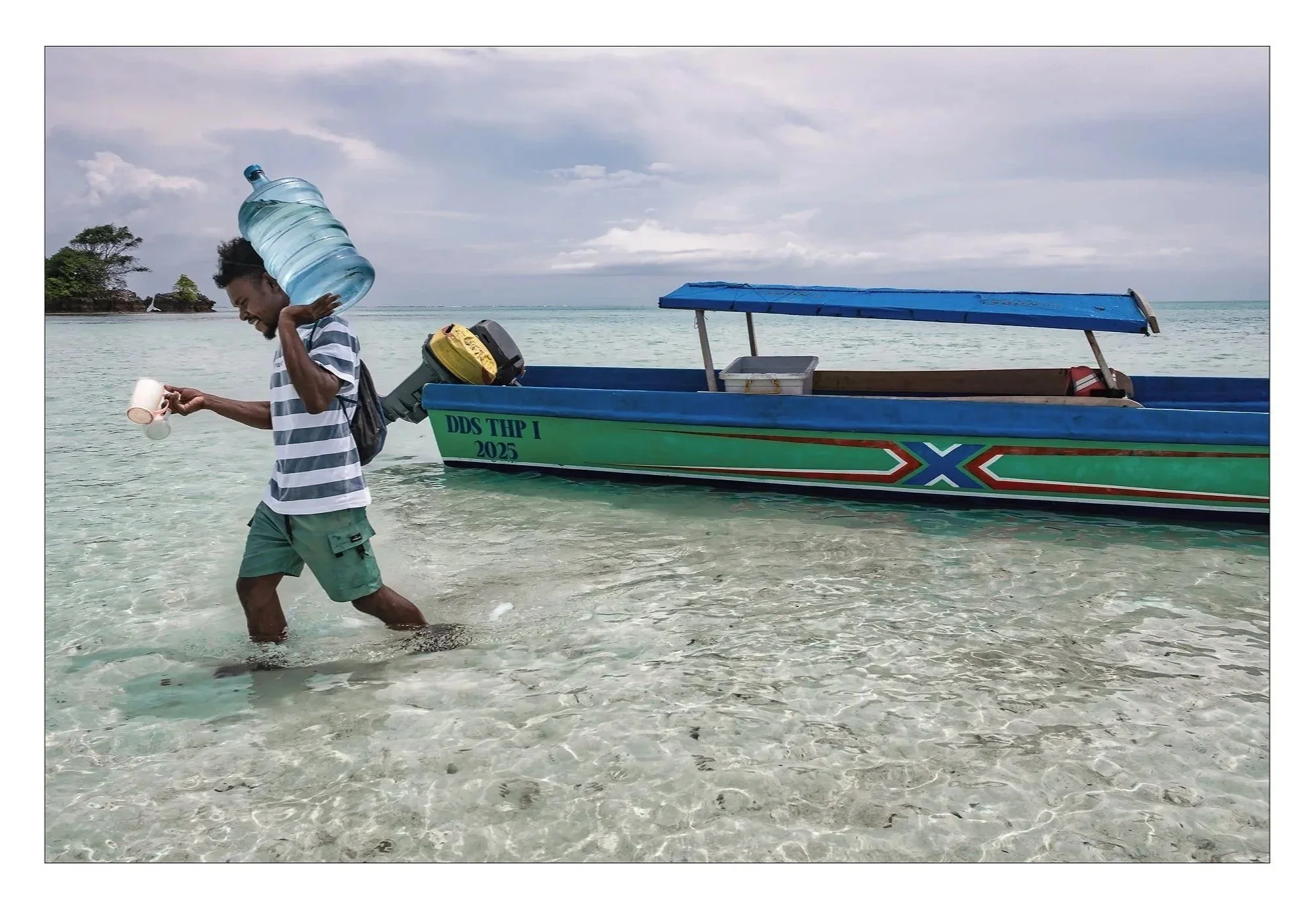
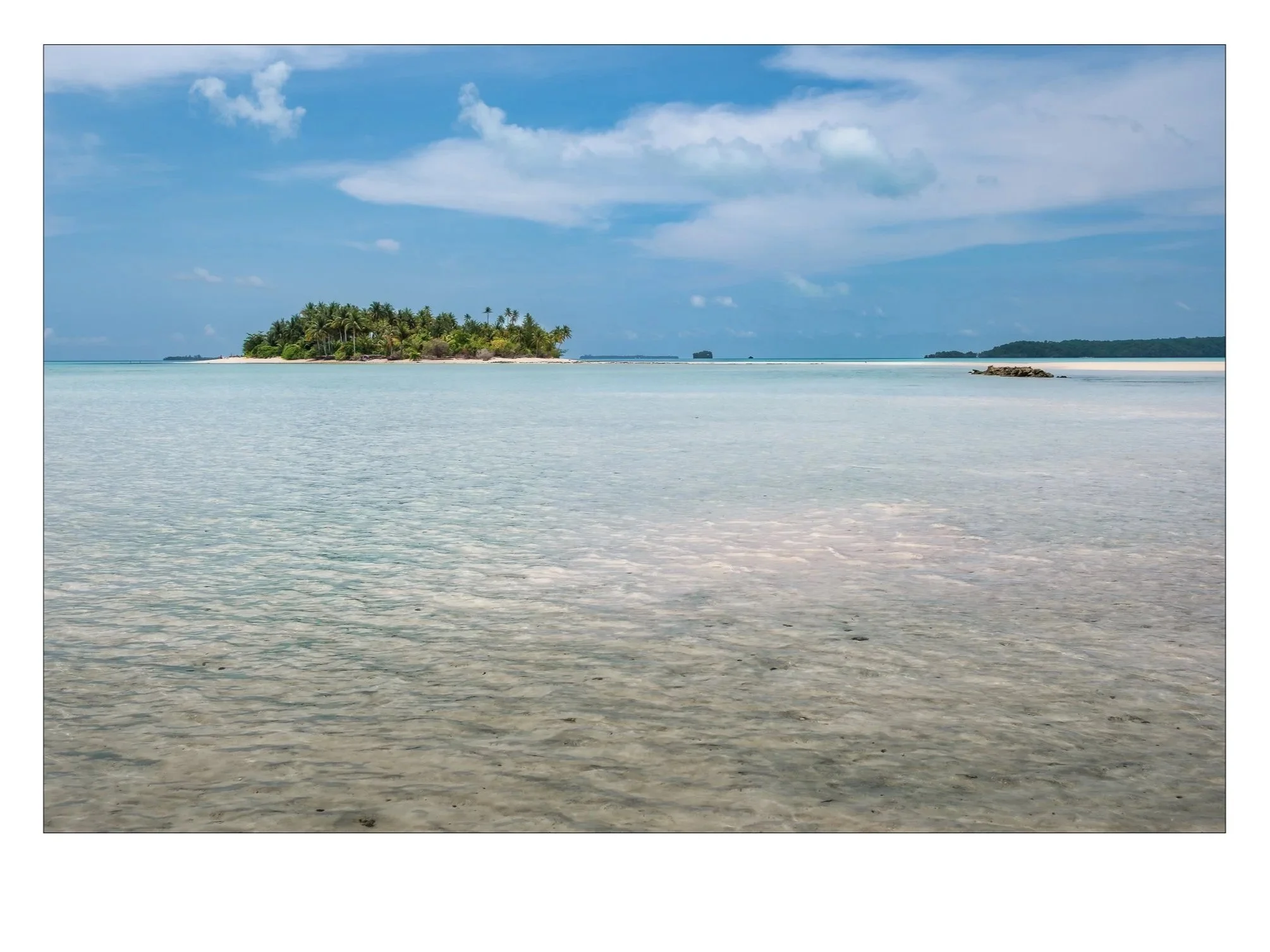
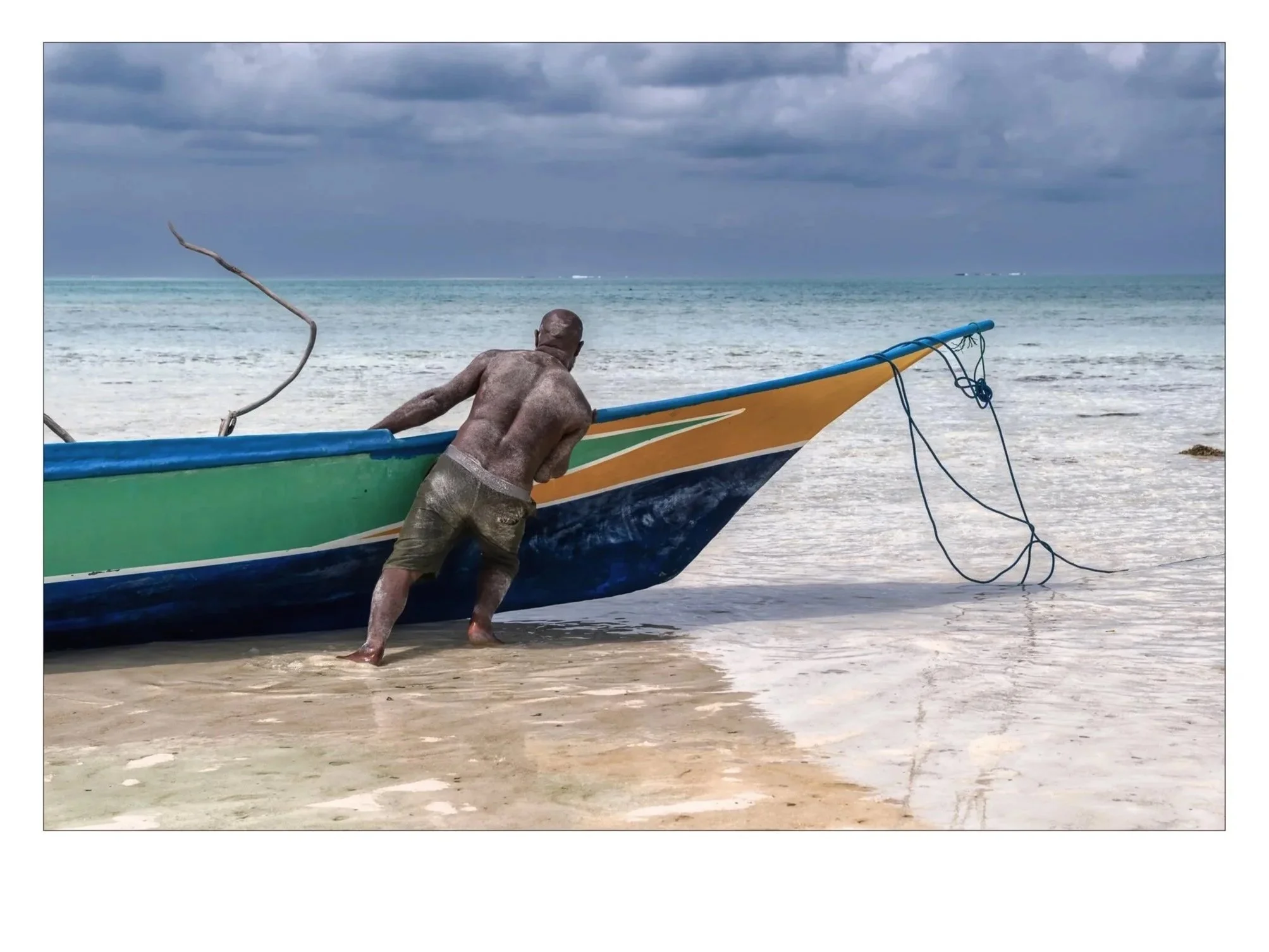

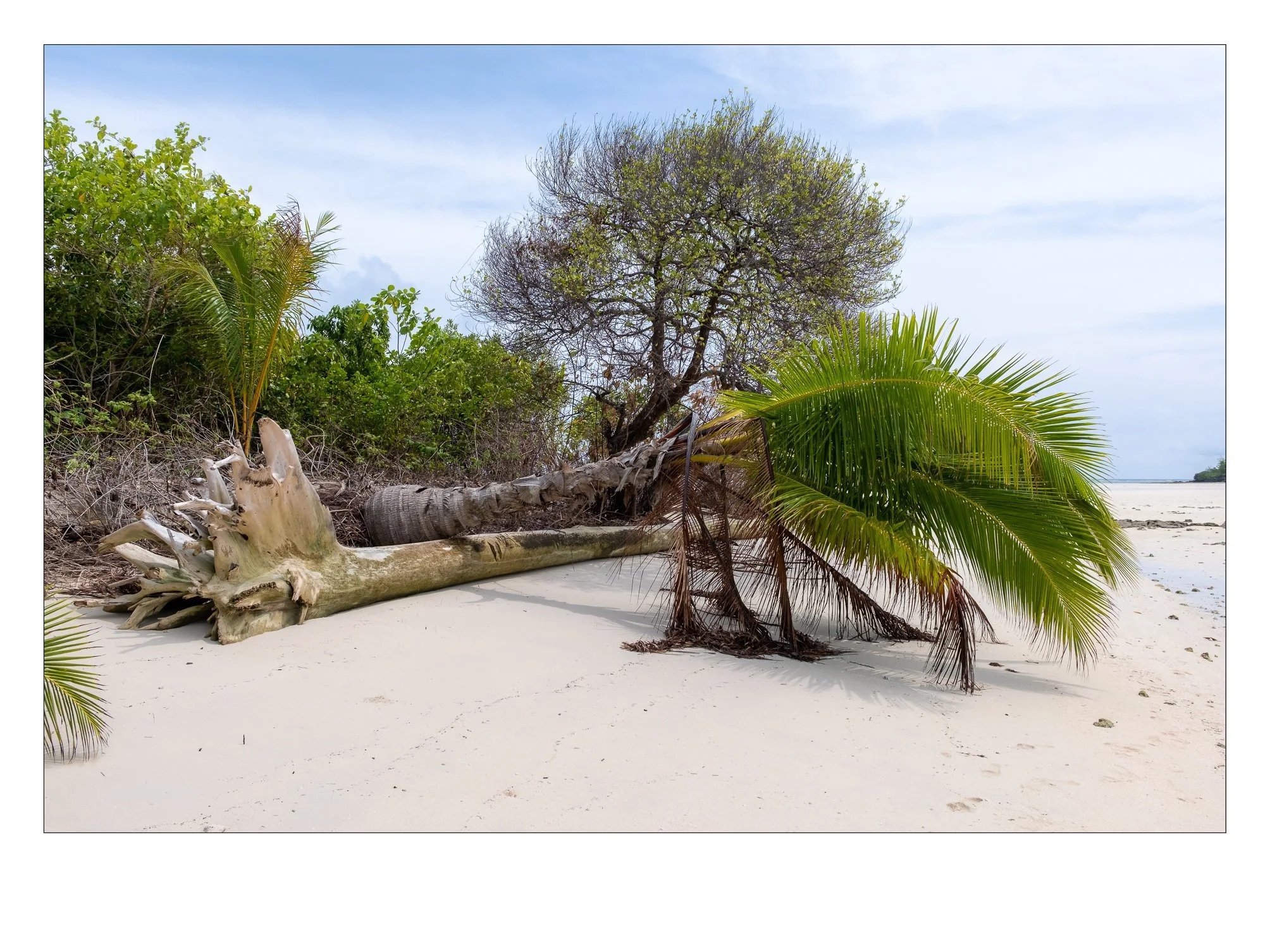
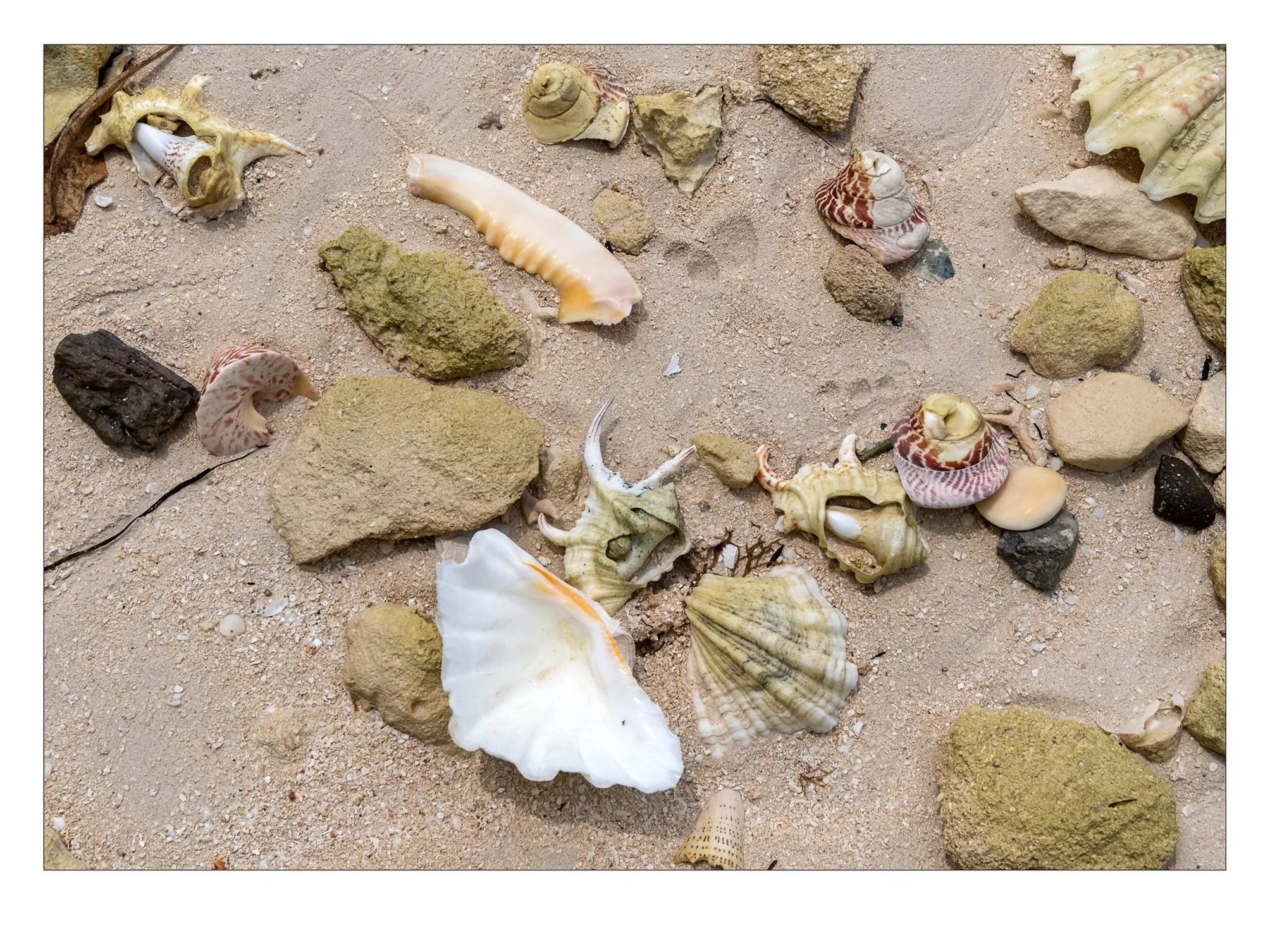
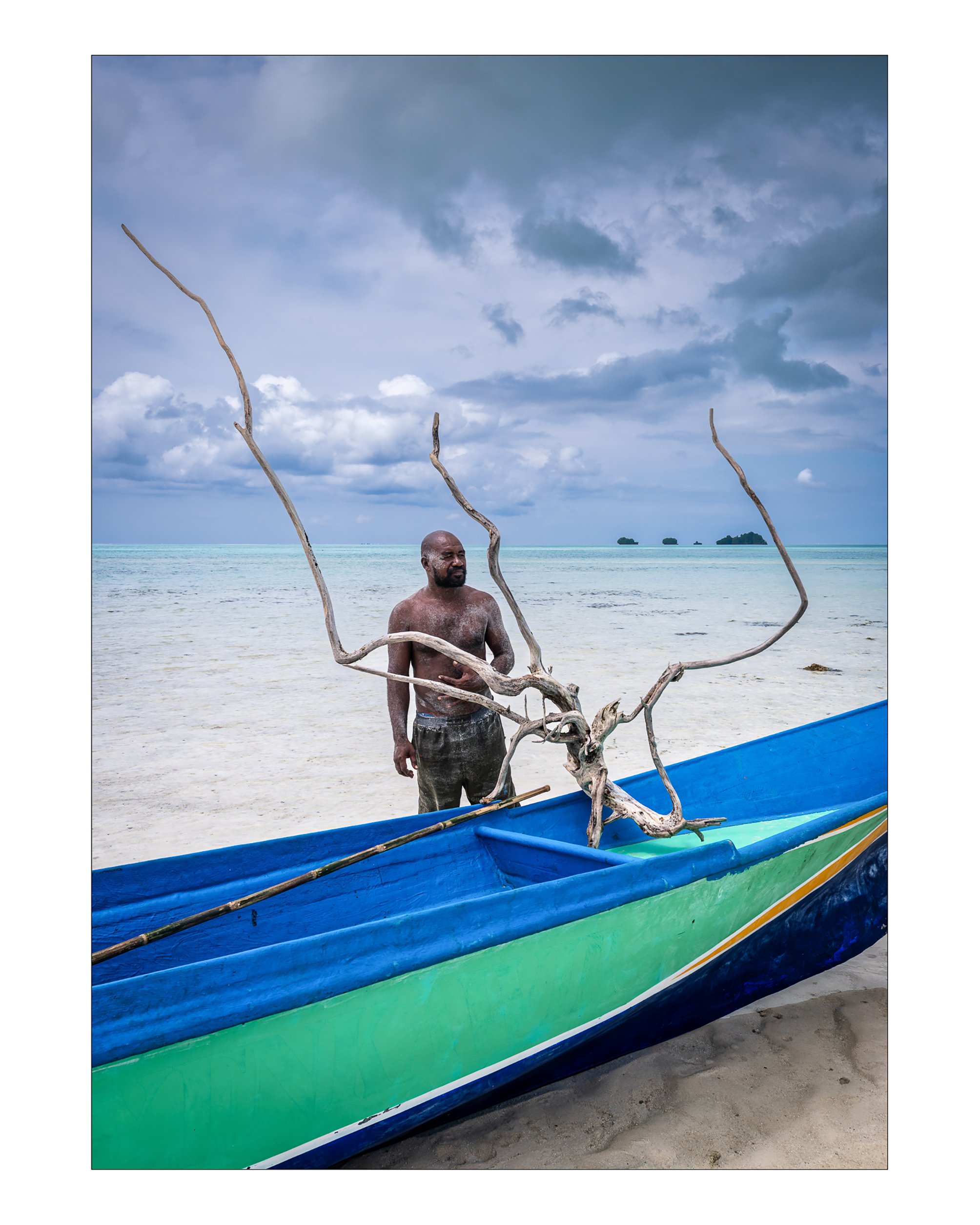
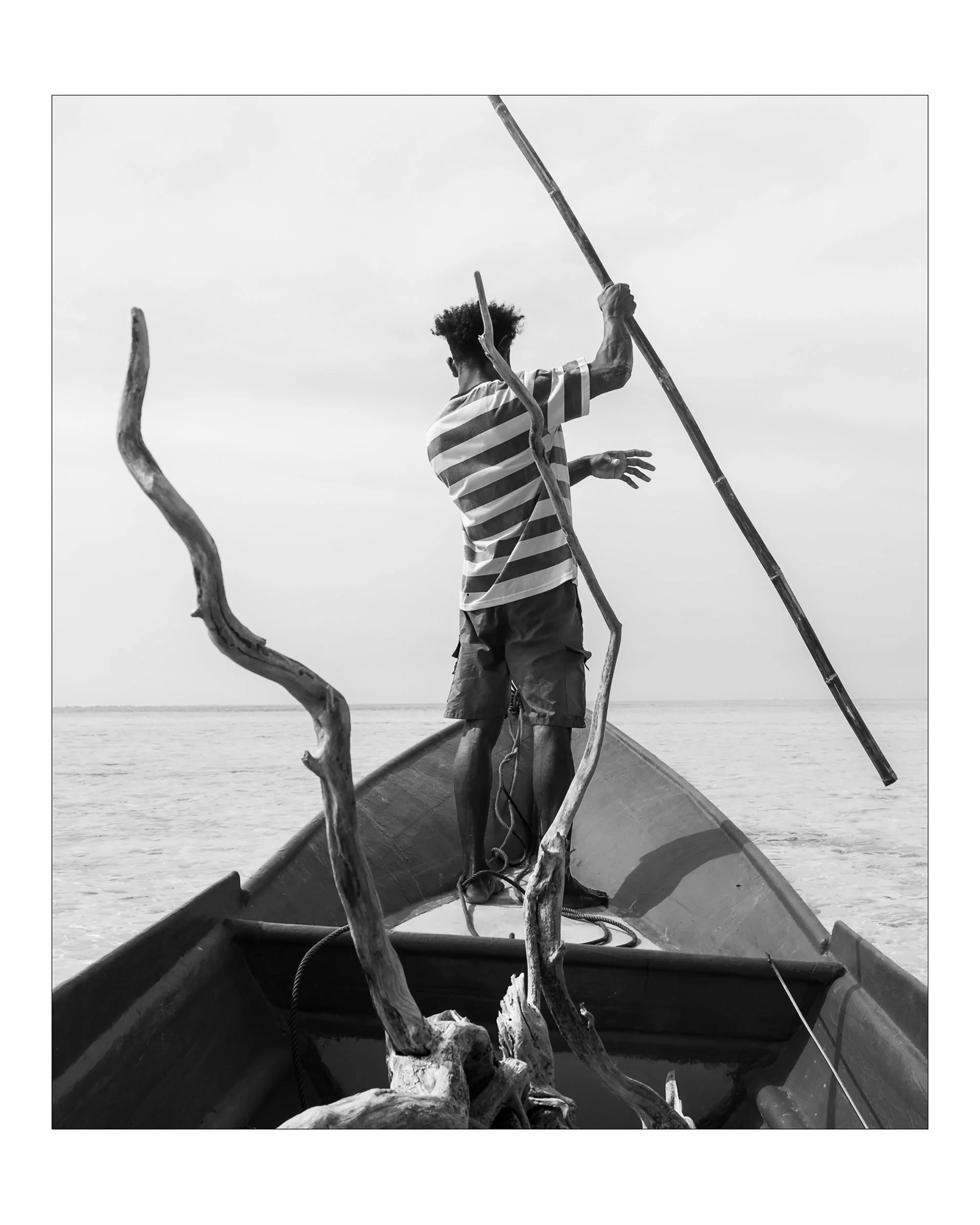
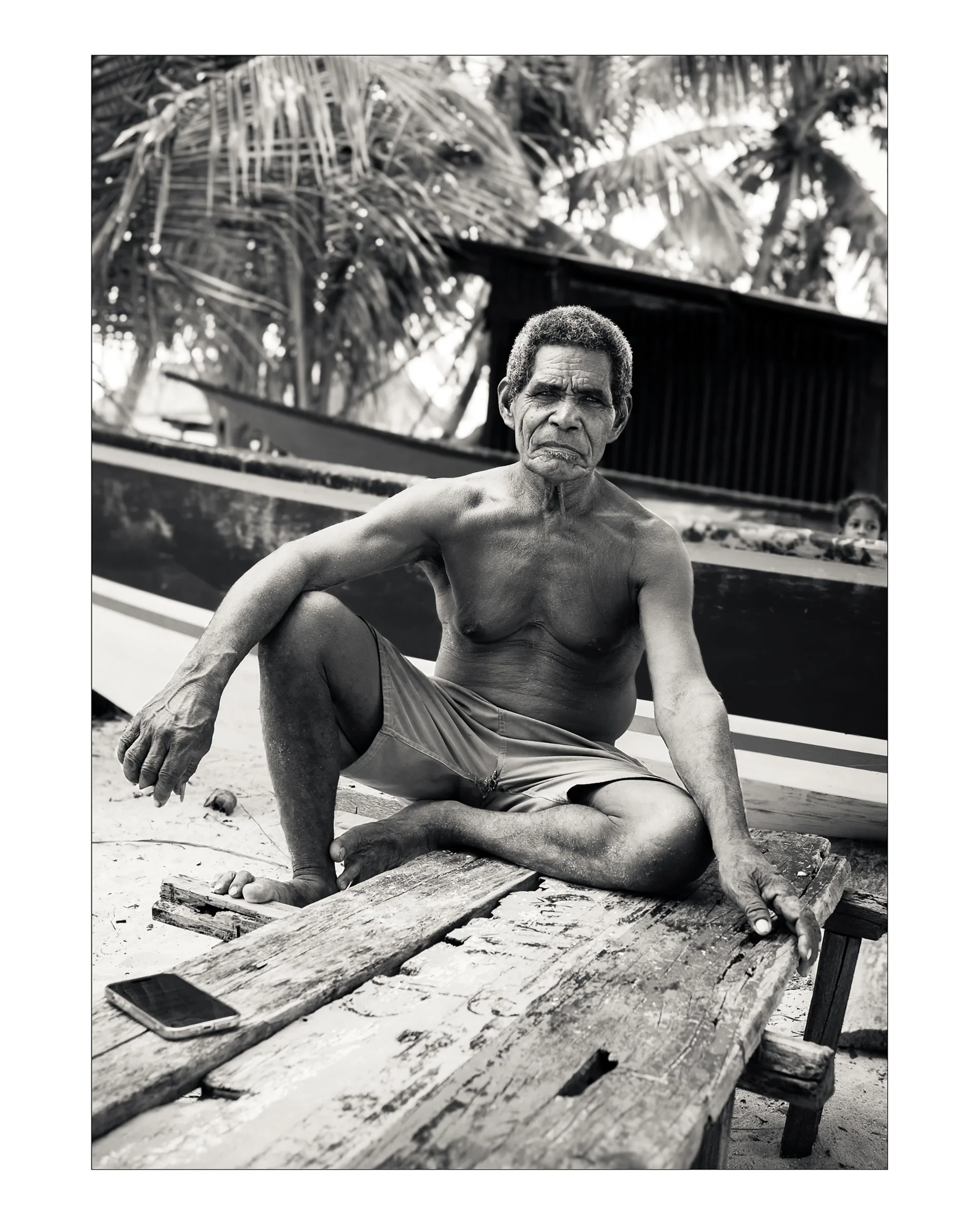
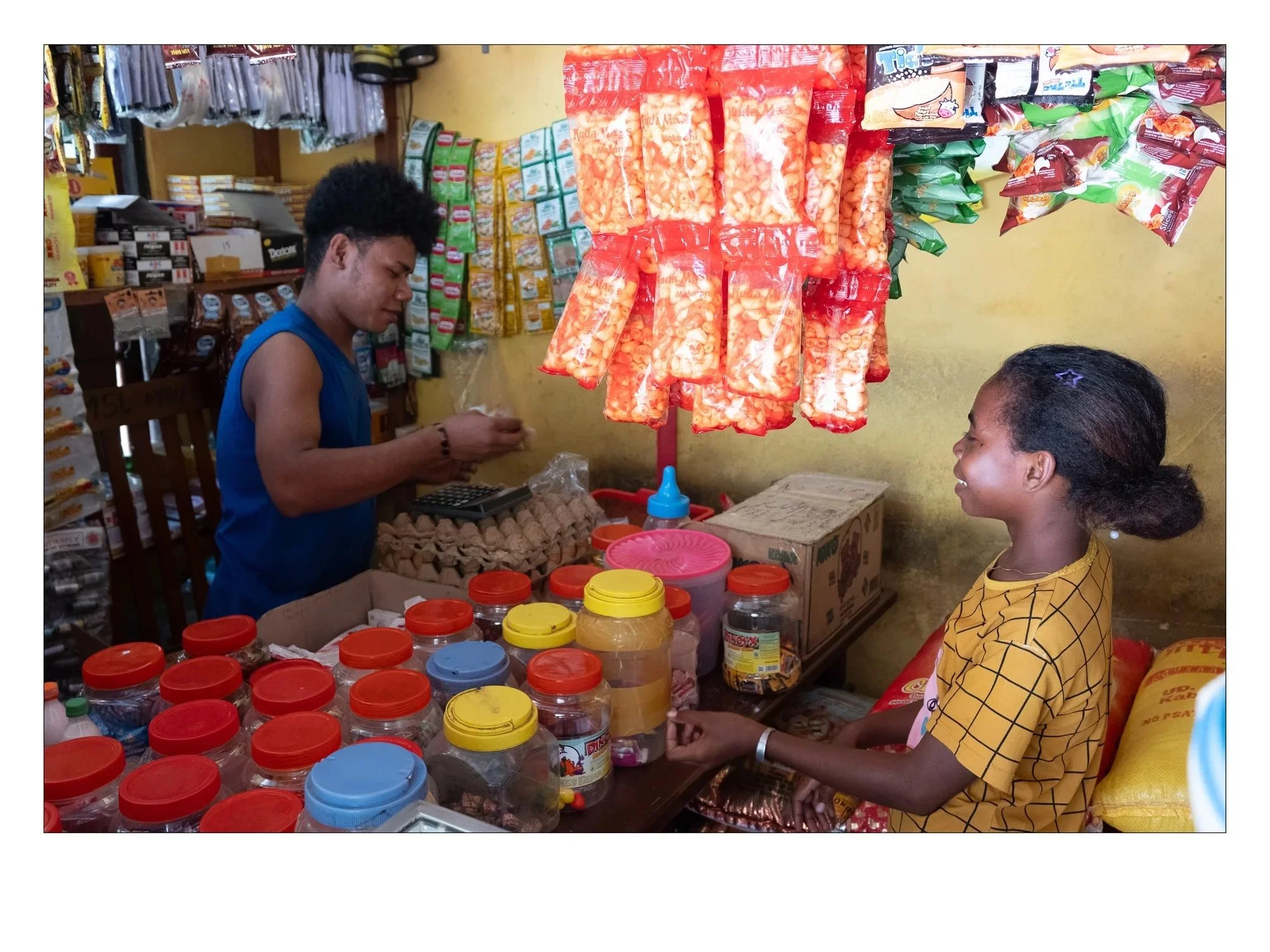
A Sunday stroll to the main settlement of the atoll, Dorehkar



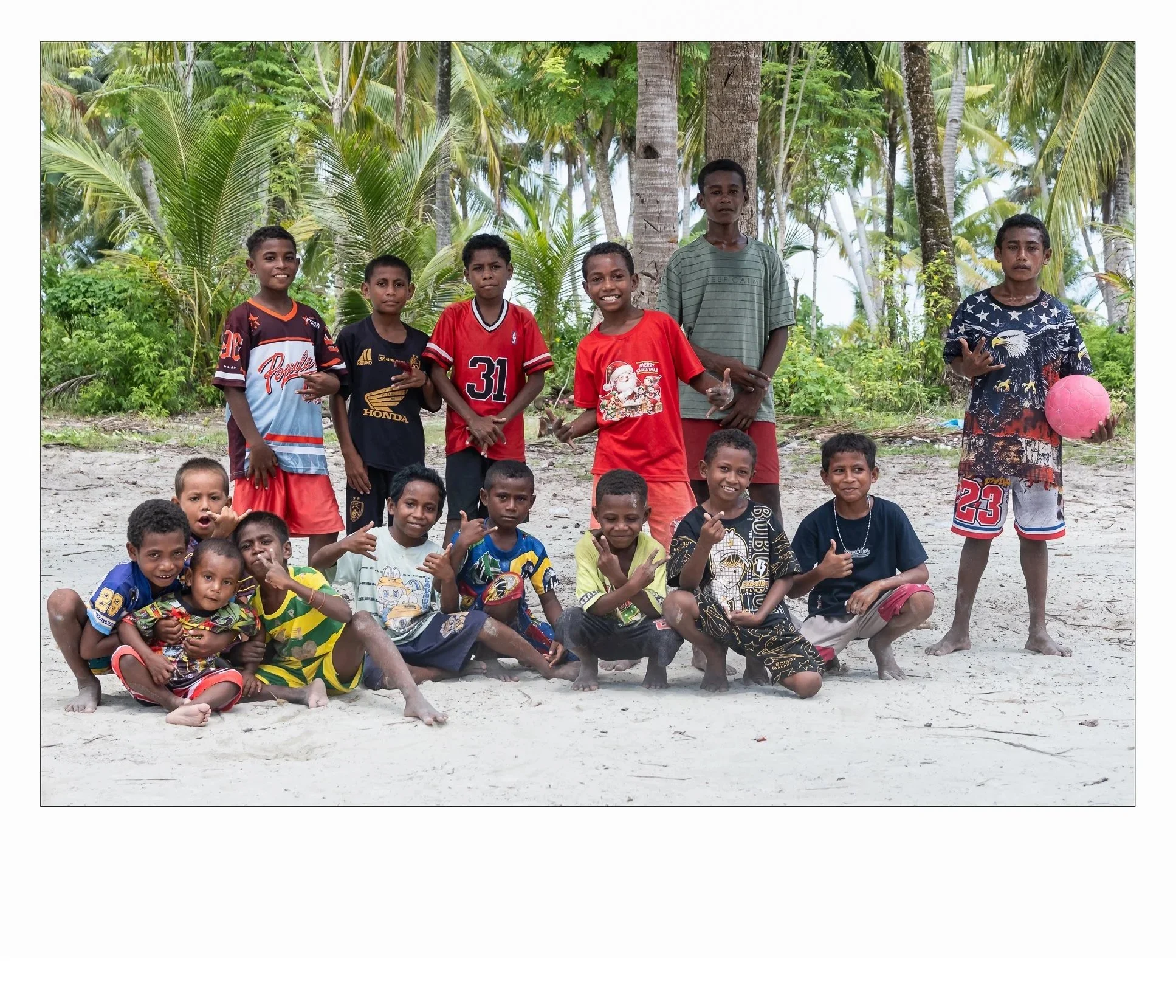
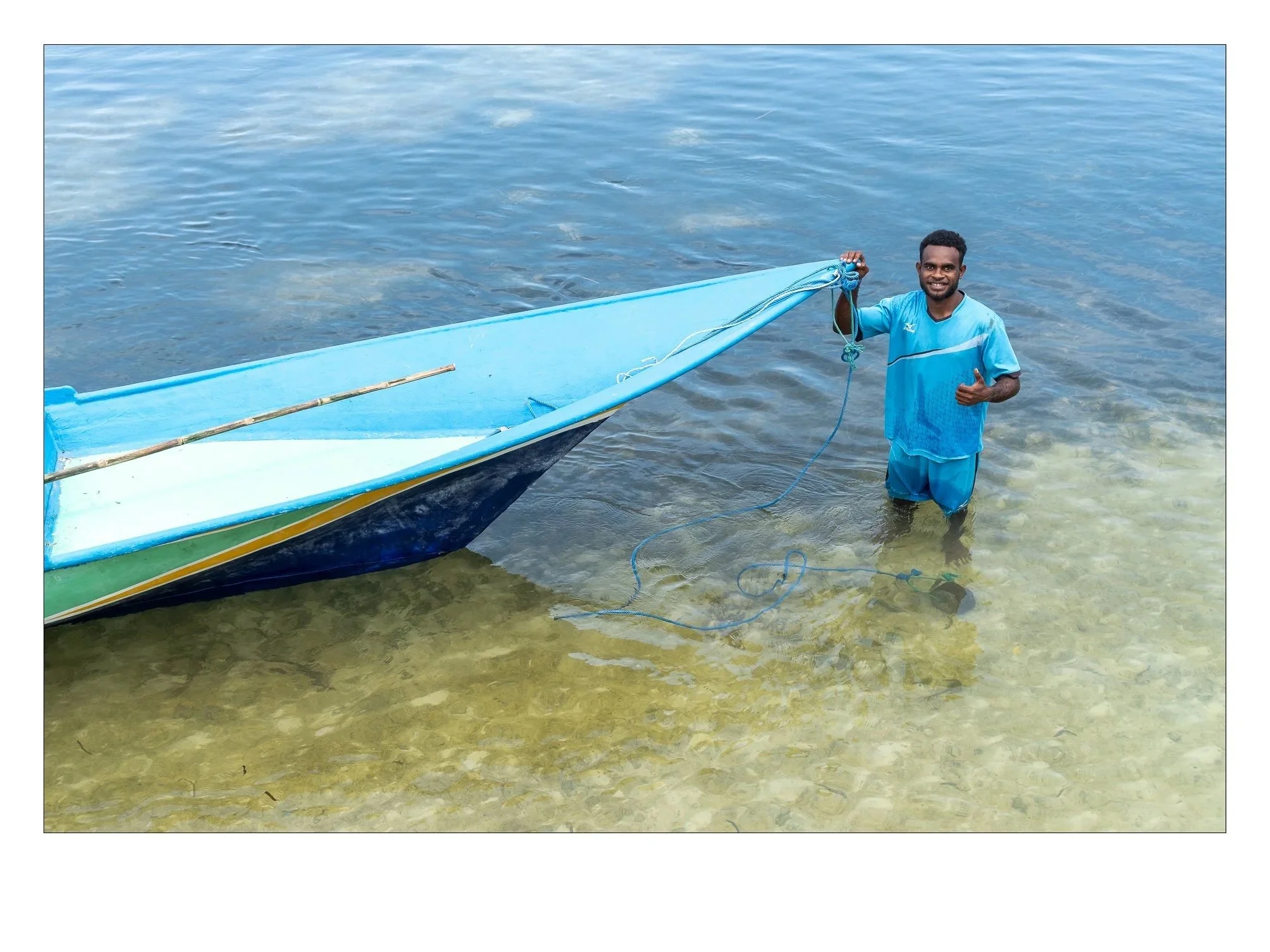
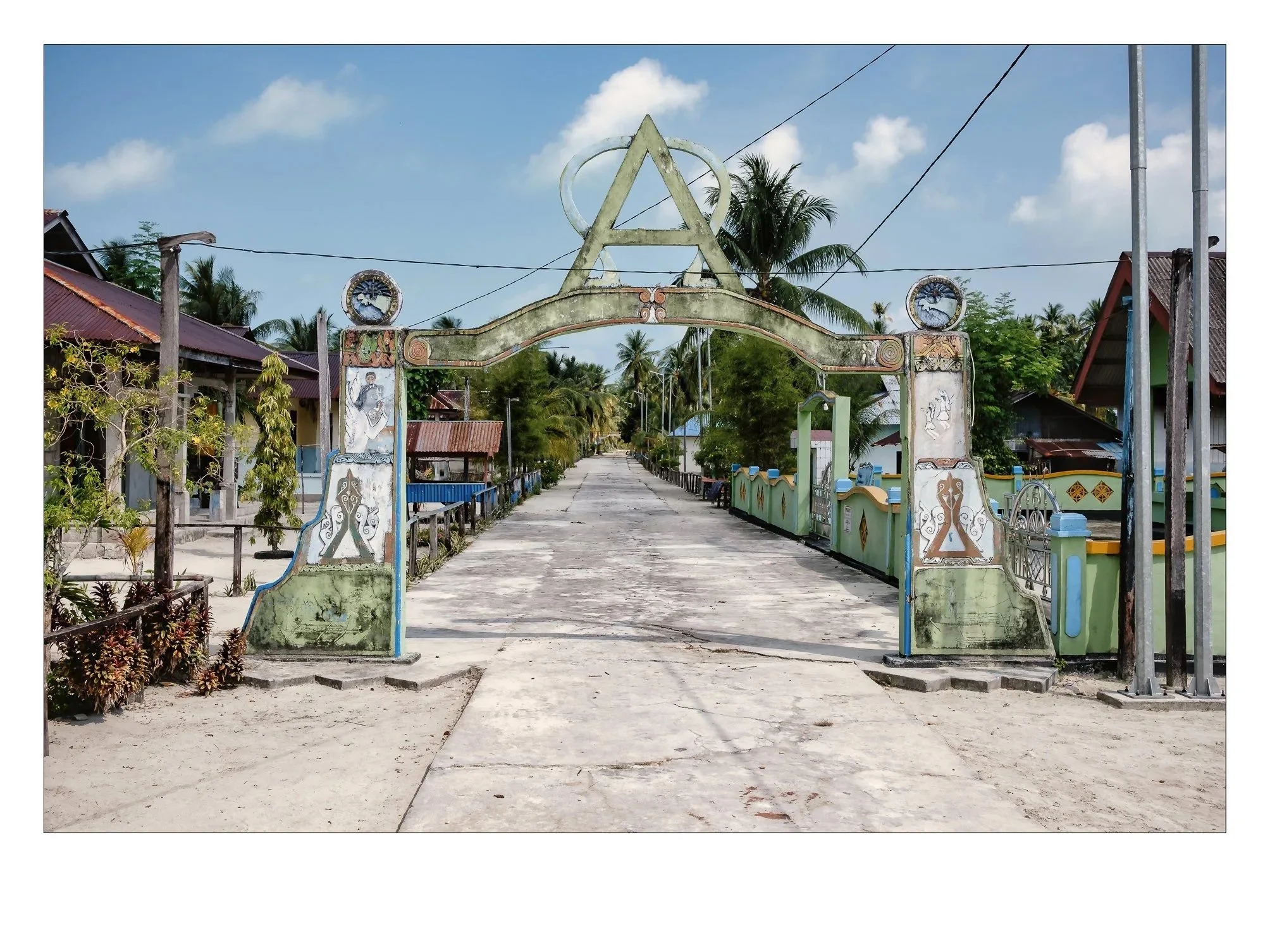
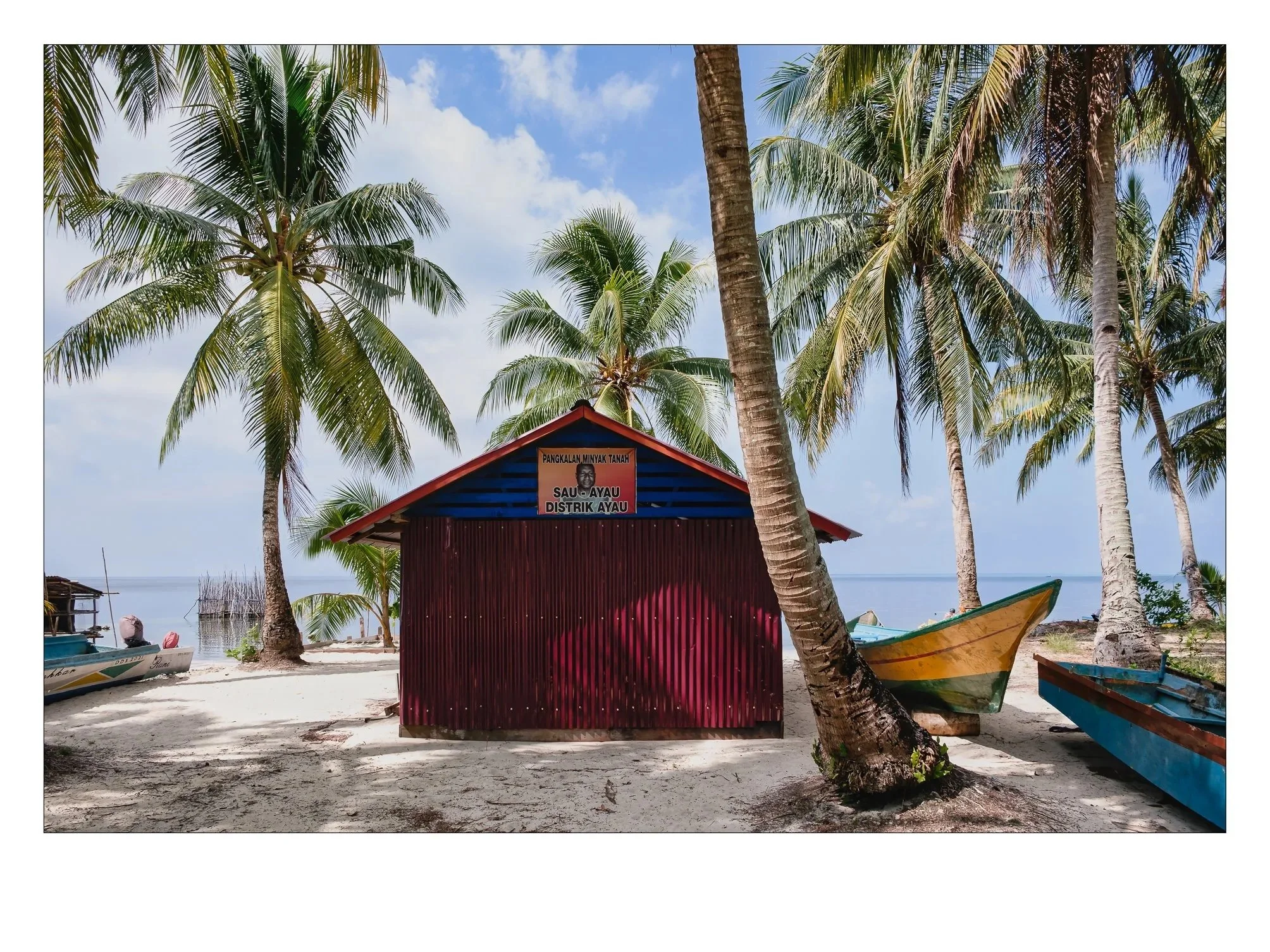
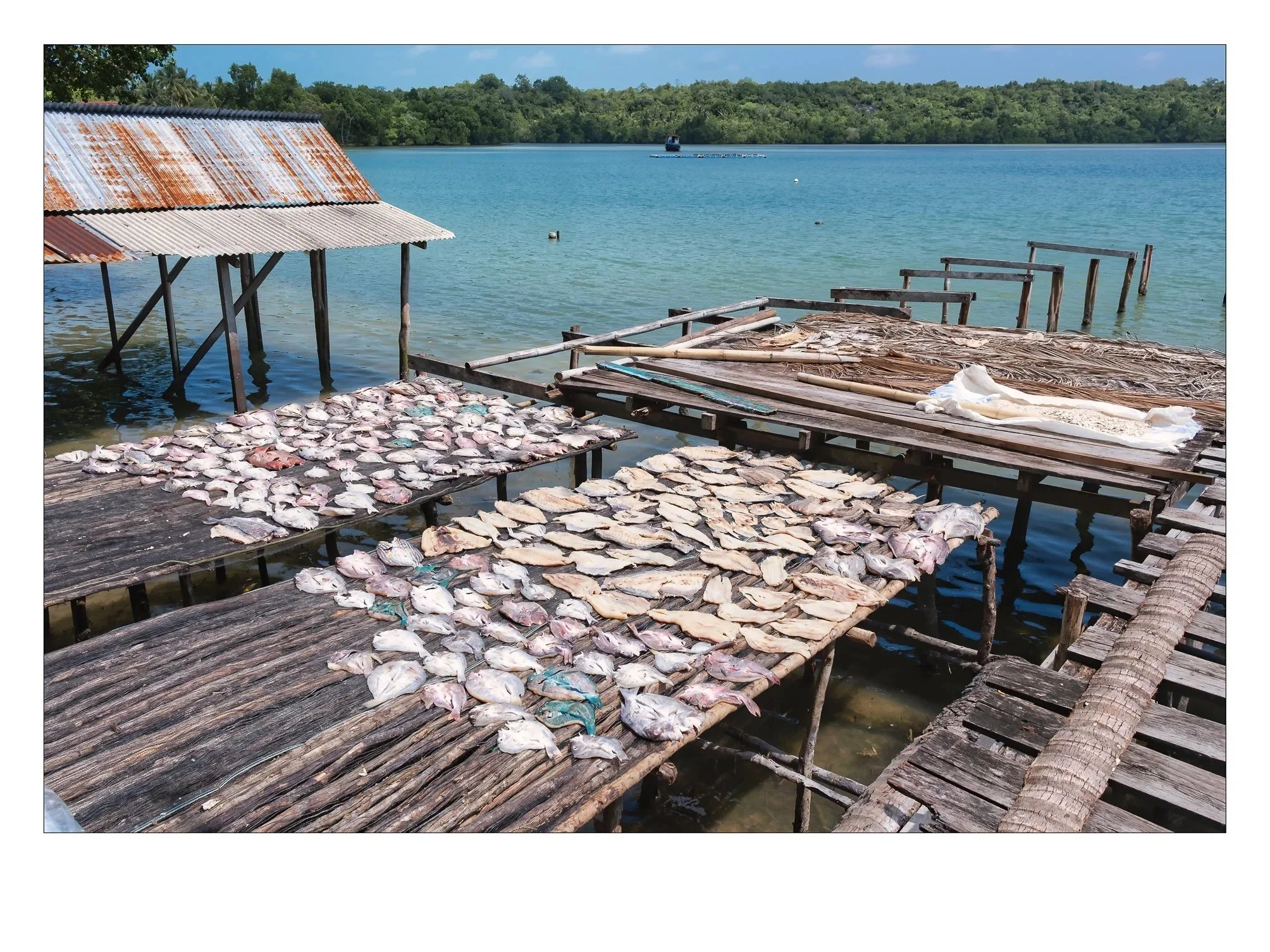
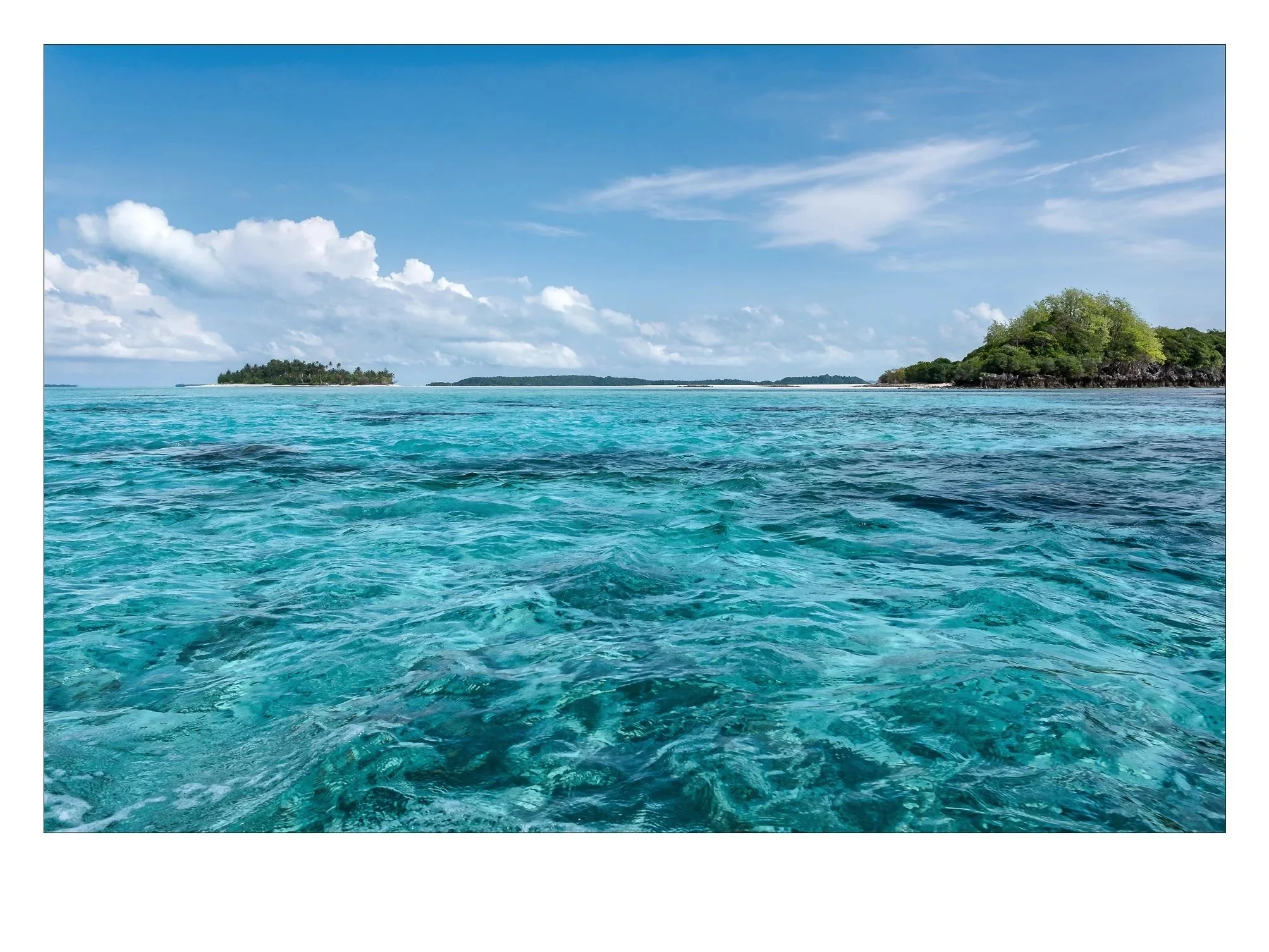
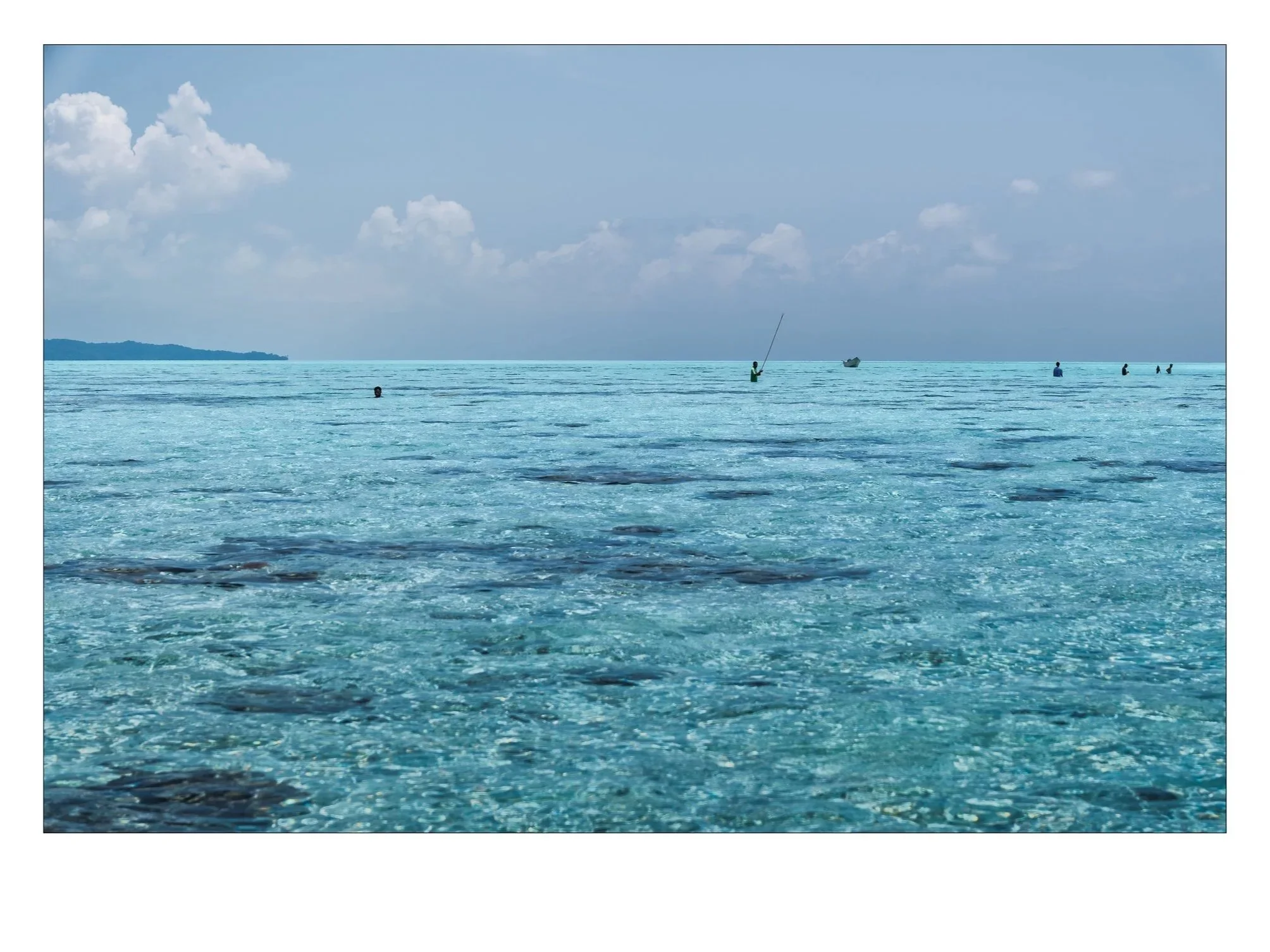
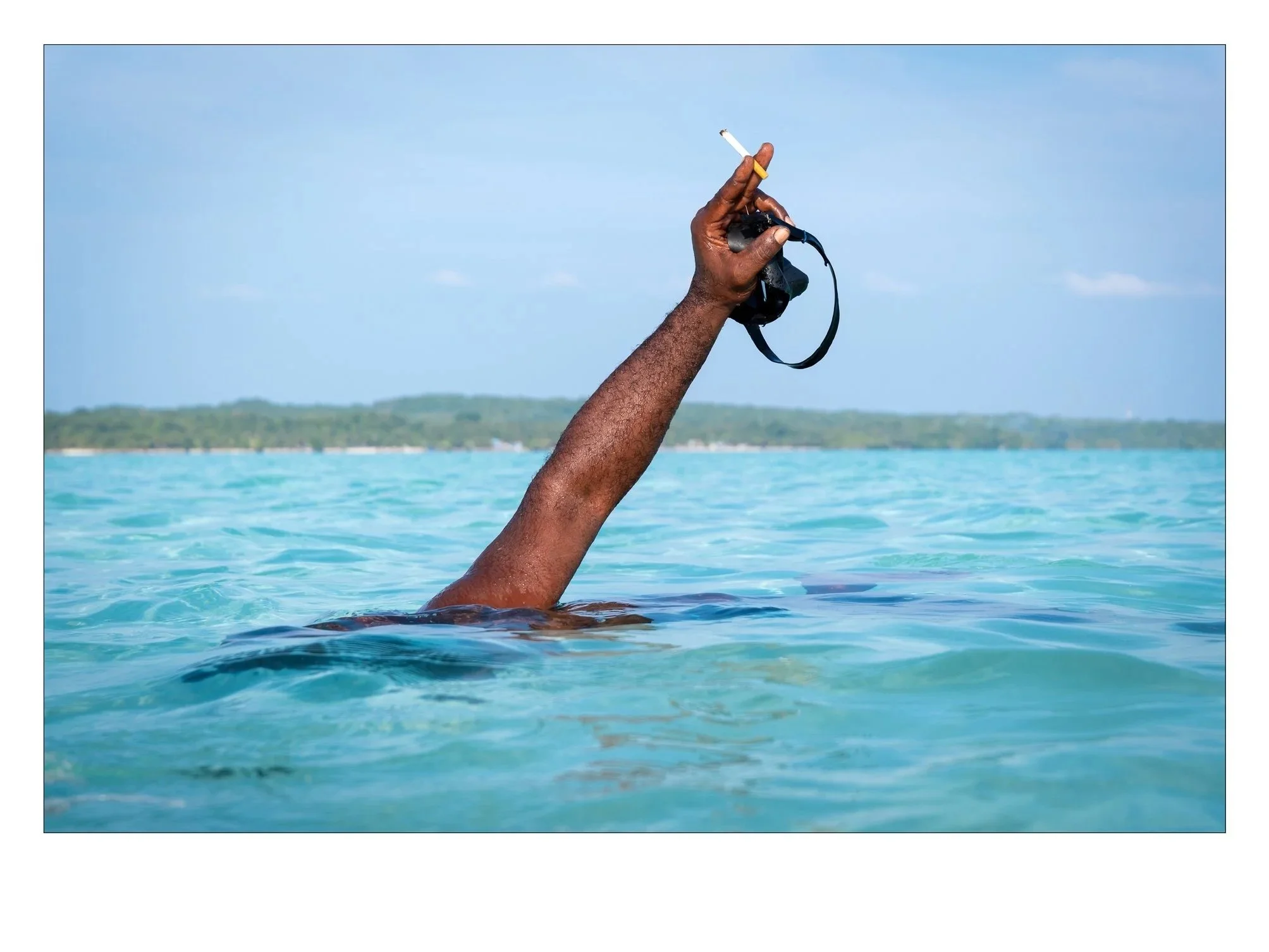
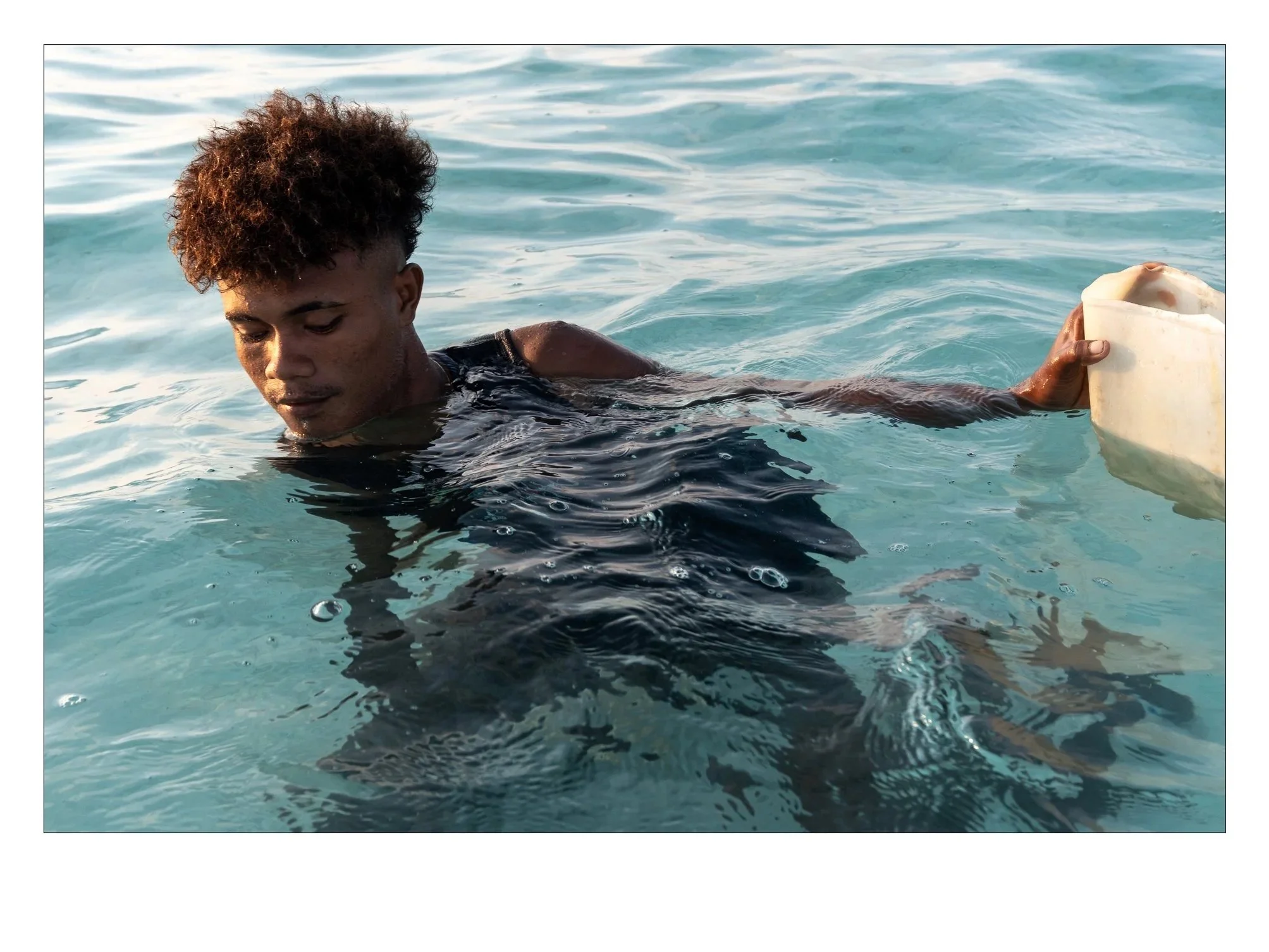
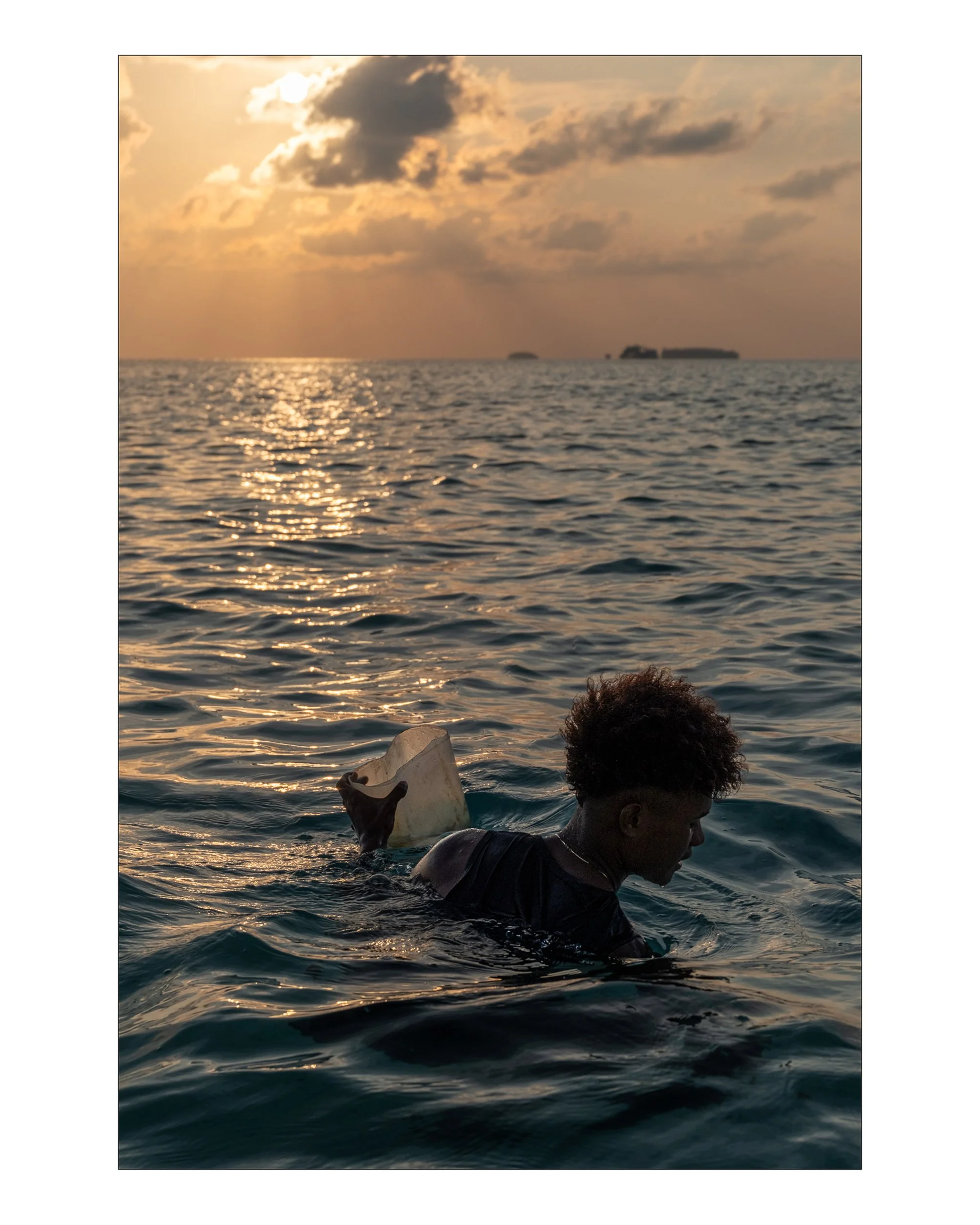
During one of our boating excursions, we came across the entire male population of a village, happily fishing in the lagoon. Even from a distance, the laughter and shouts of the men and boys echoed across the water before they finally came into sight—mere specks against the vast expanse of turquoise. I couldn't help but think of the lagoon dwellers from Avatar: The Way of Water.
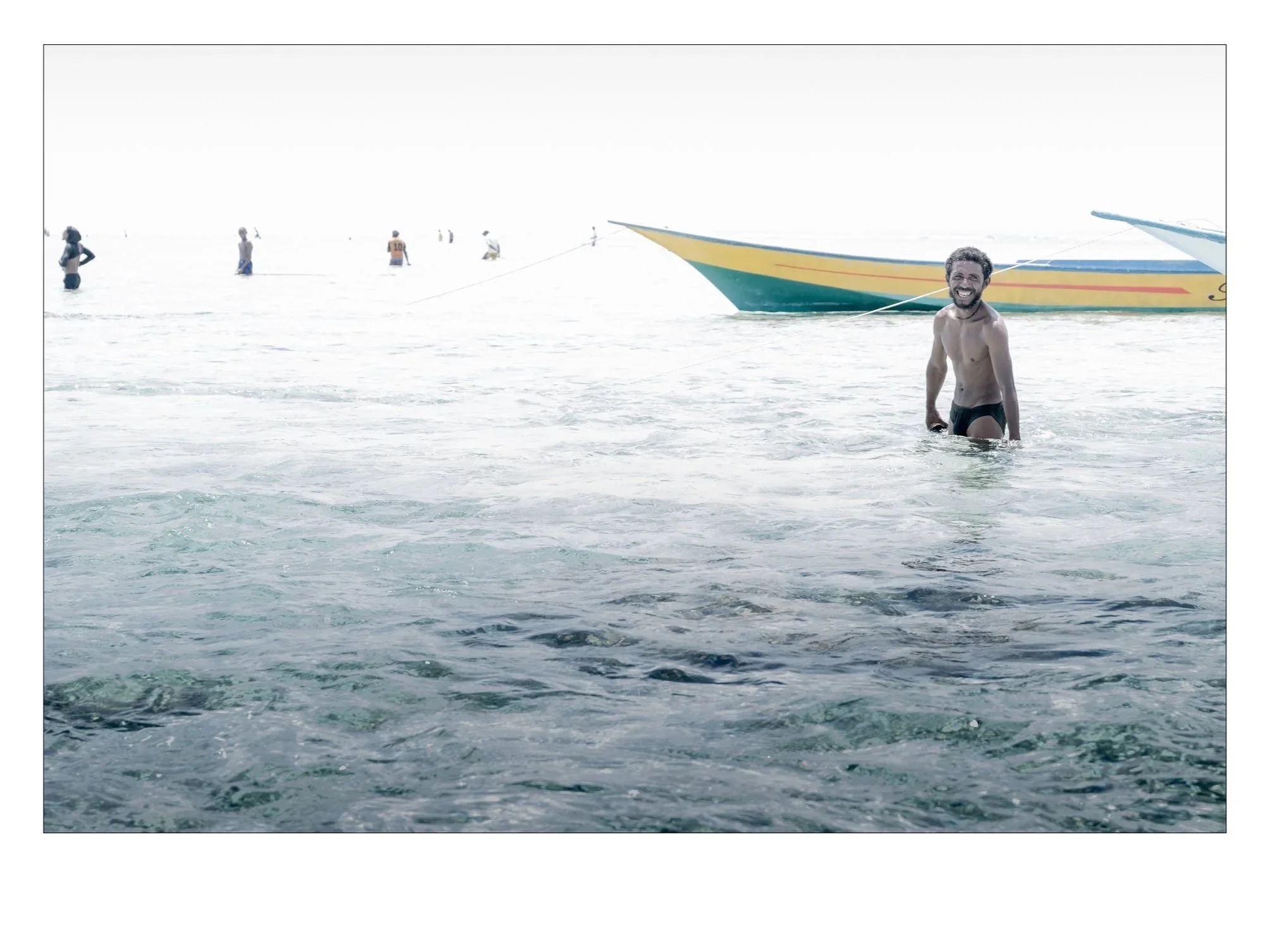
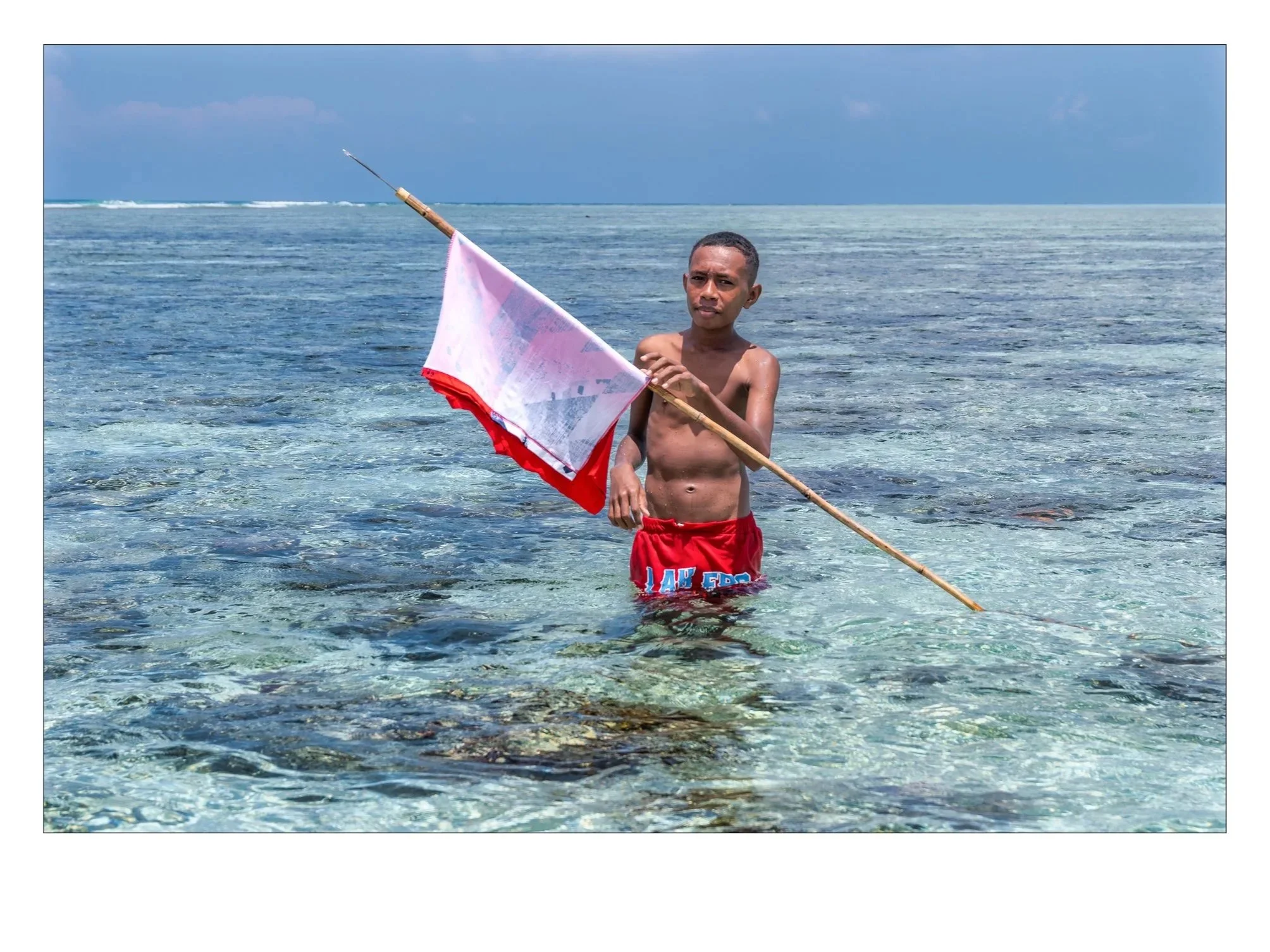
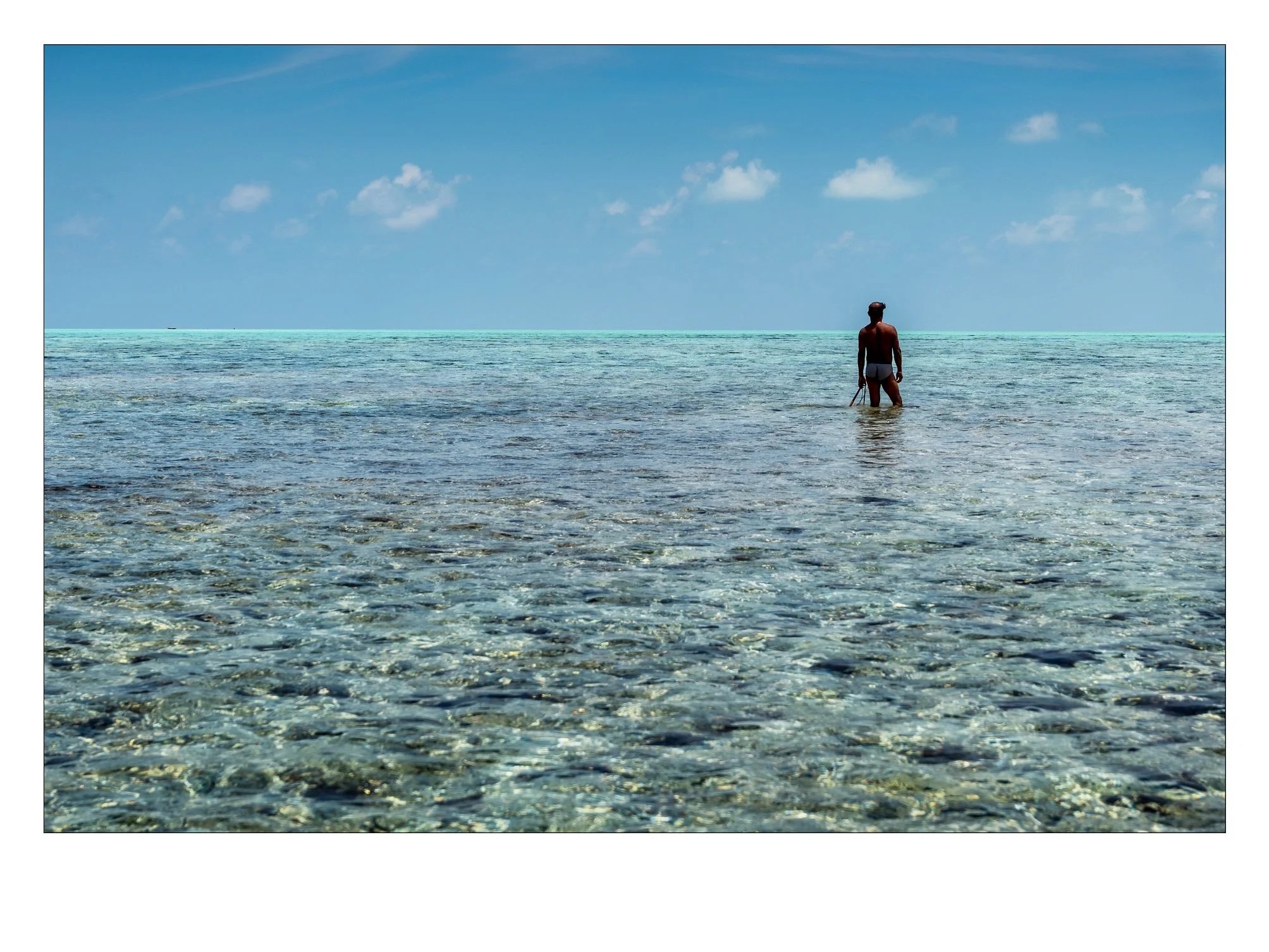
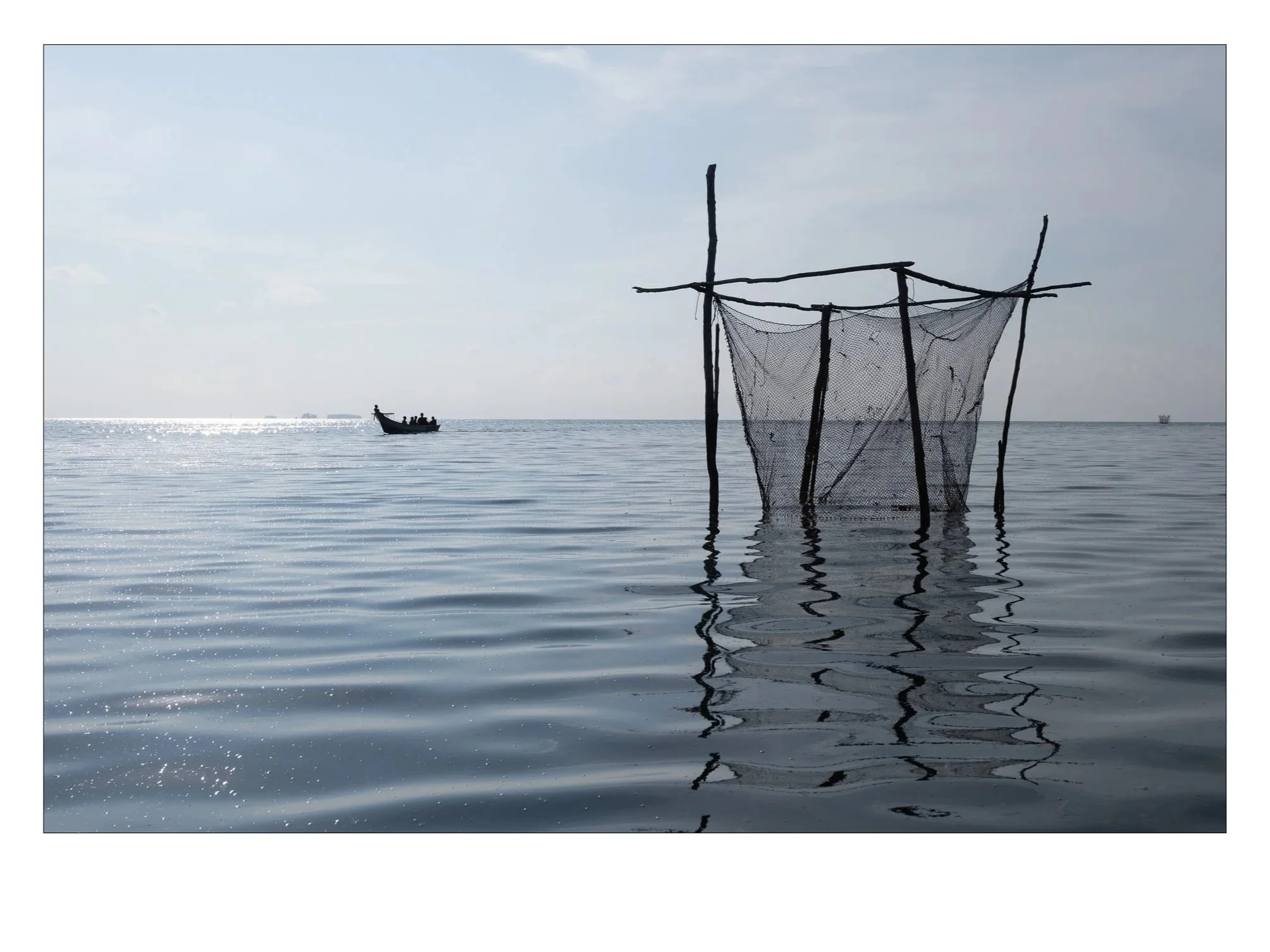

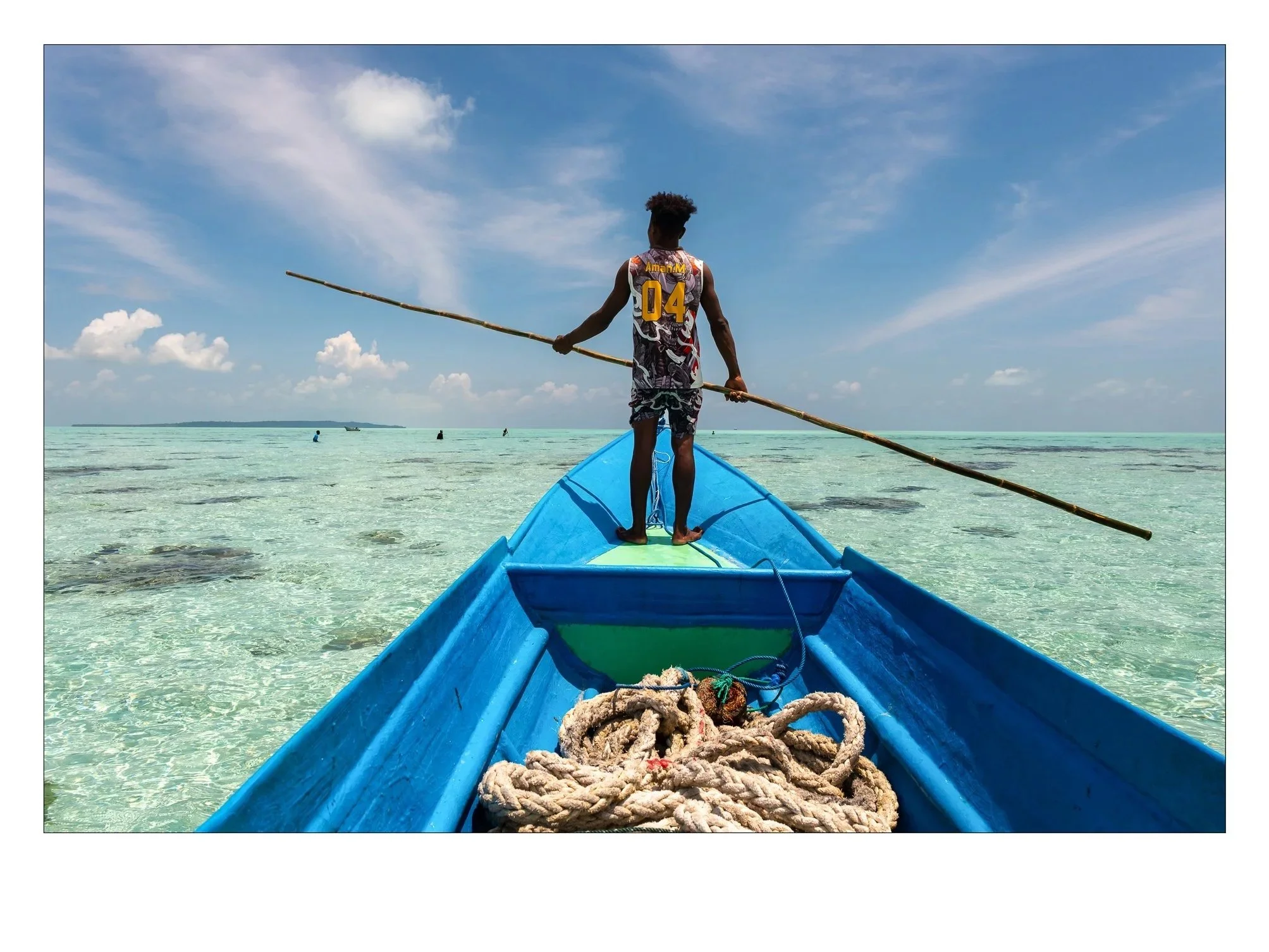
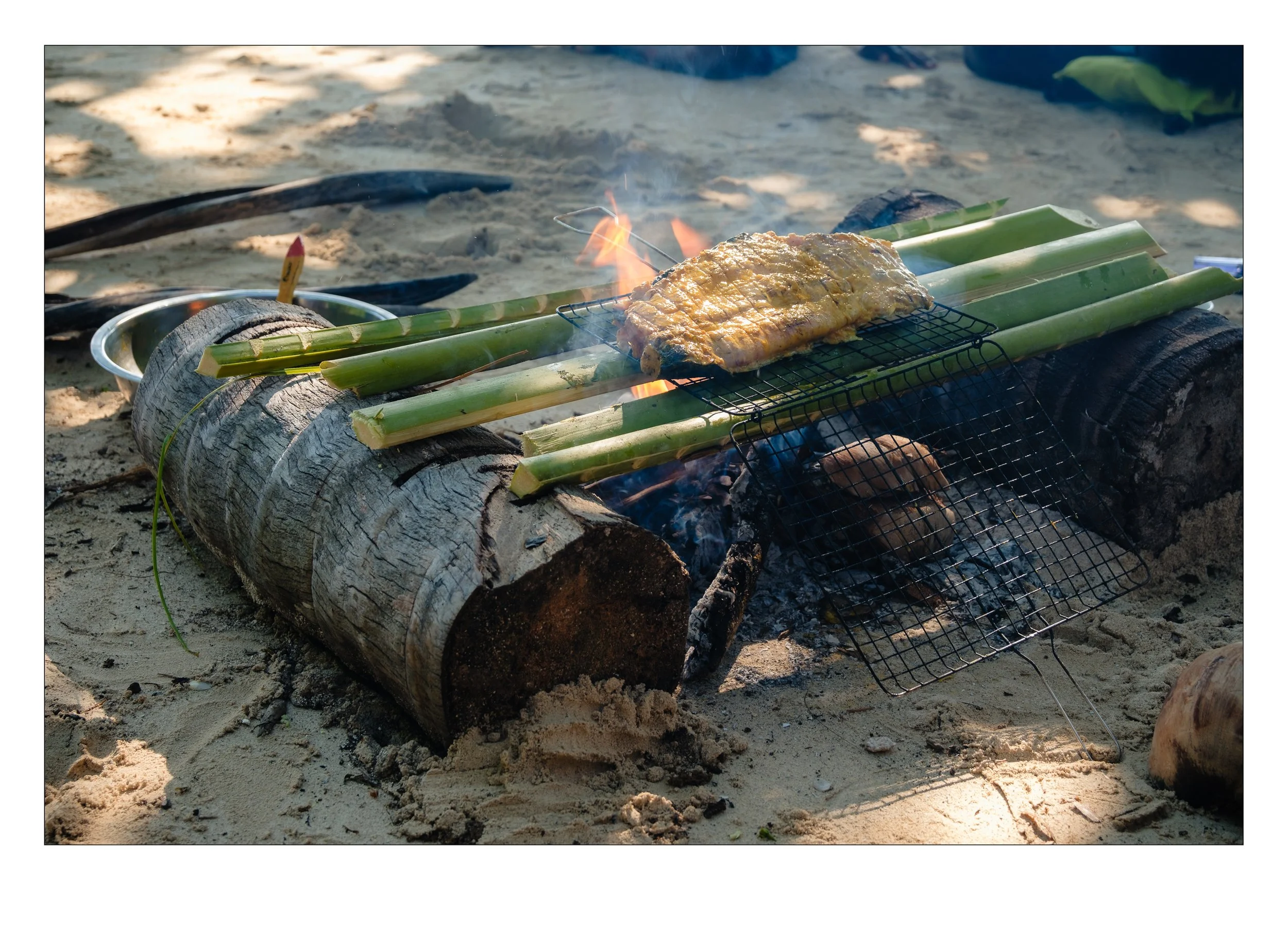
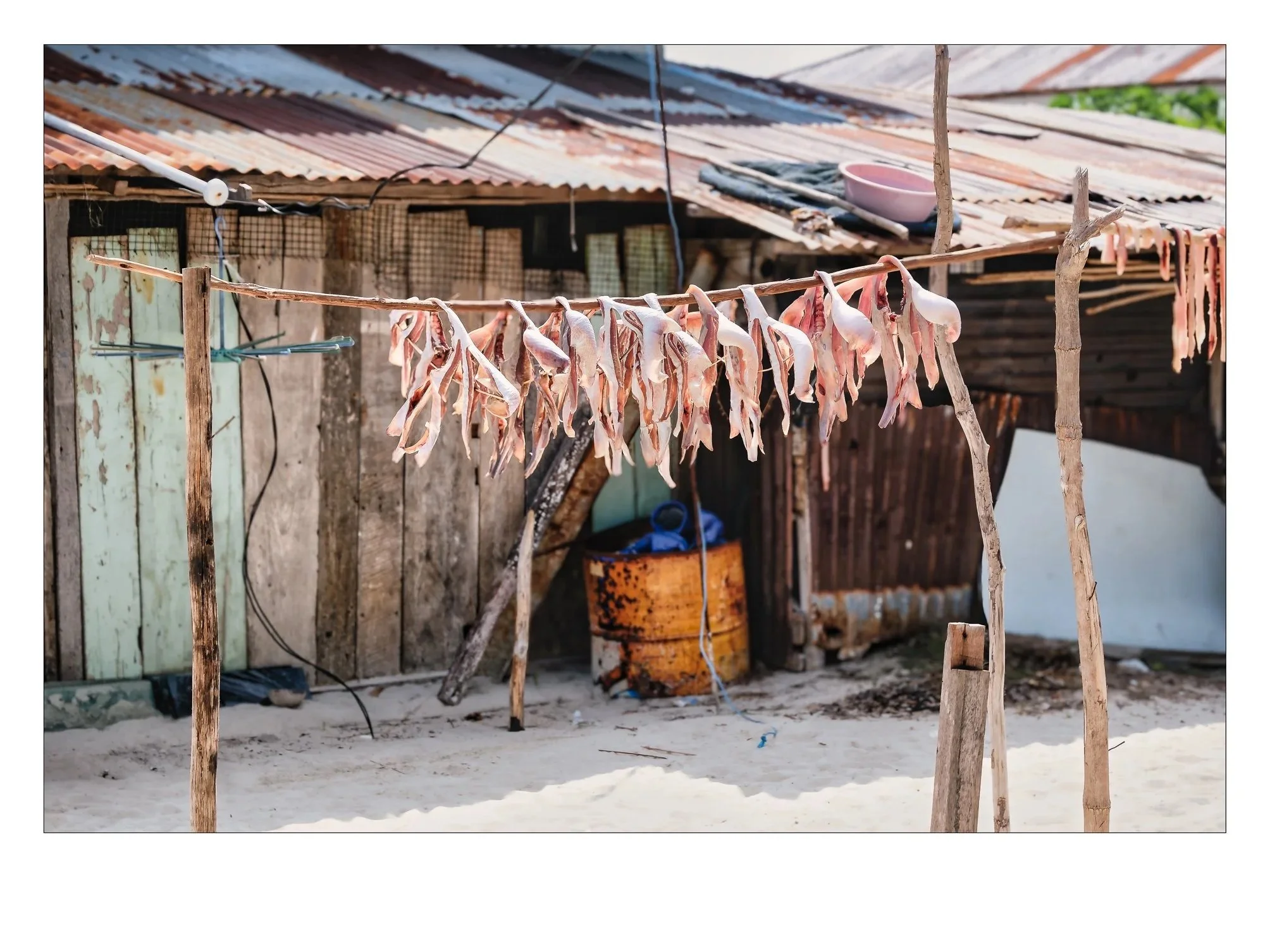
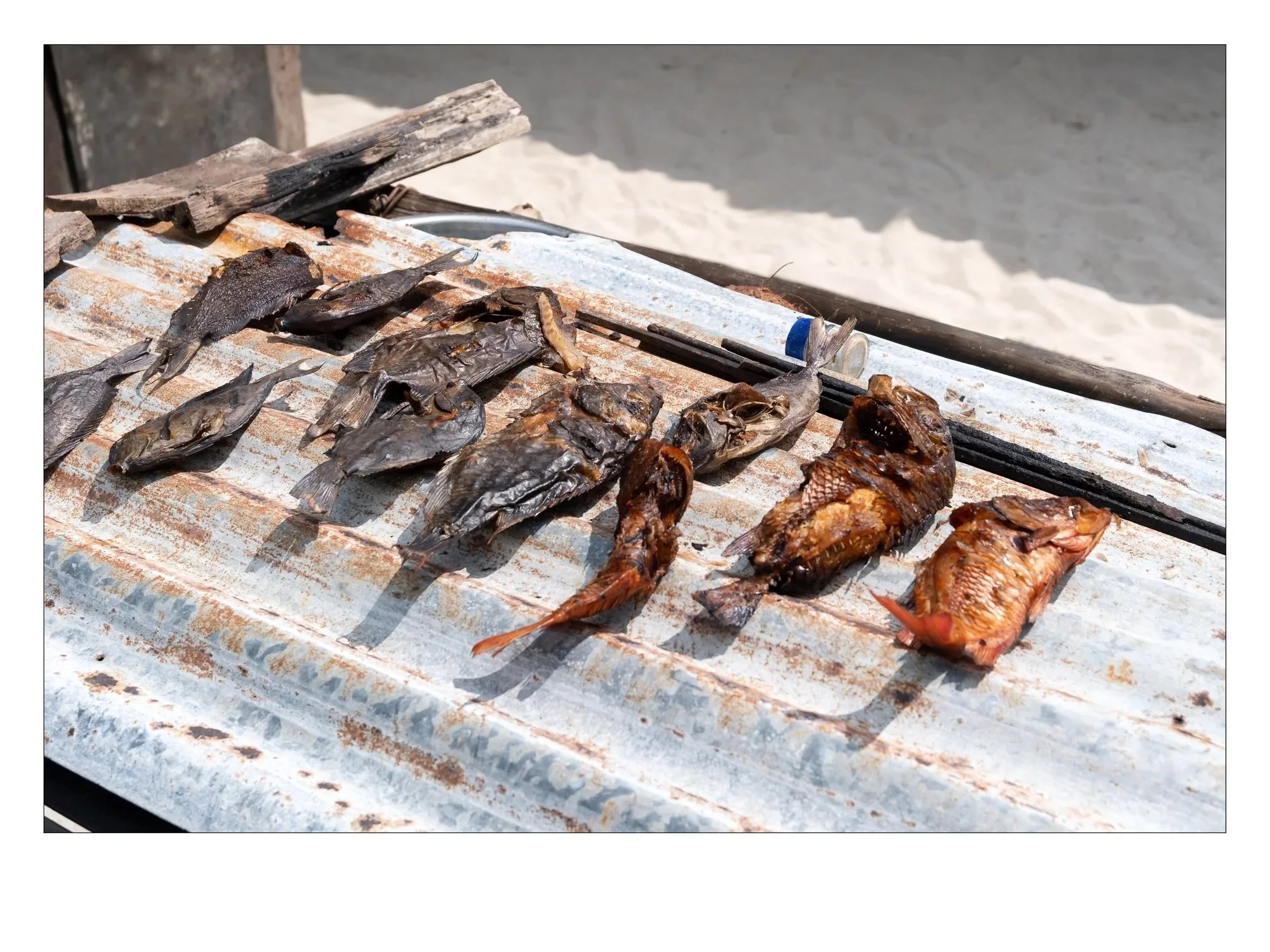
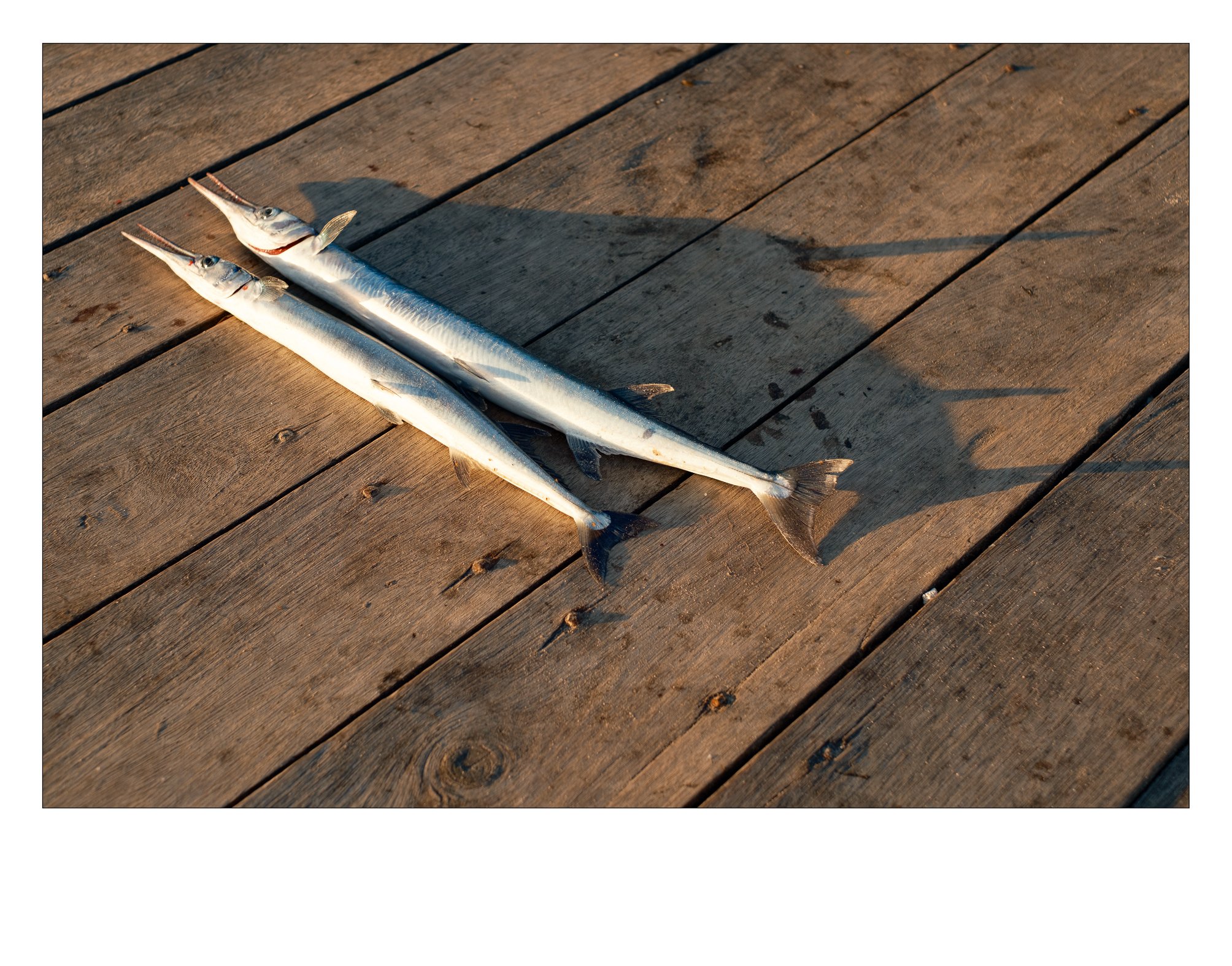
While the men fish loudly and cheerfully, the women silently search the sandy bottom of the lagoon for clams and insonems—sandworms. They are smoked over the fire and are reminiscent of squid in texture and taste.
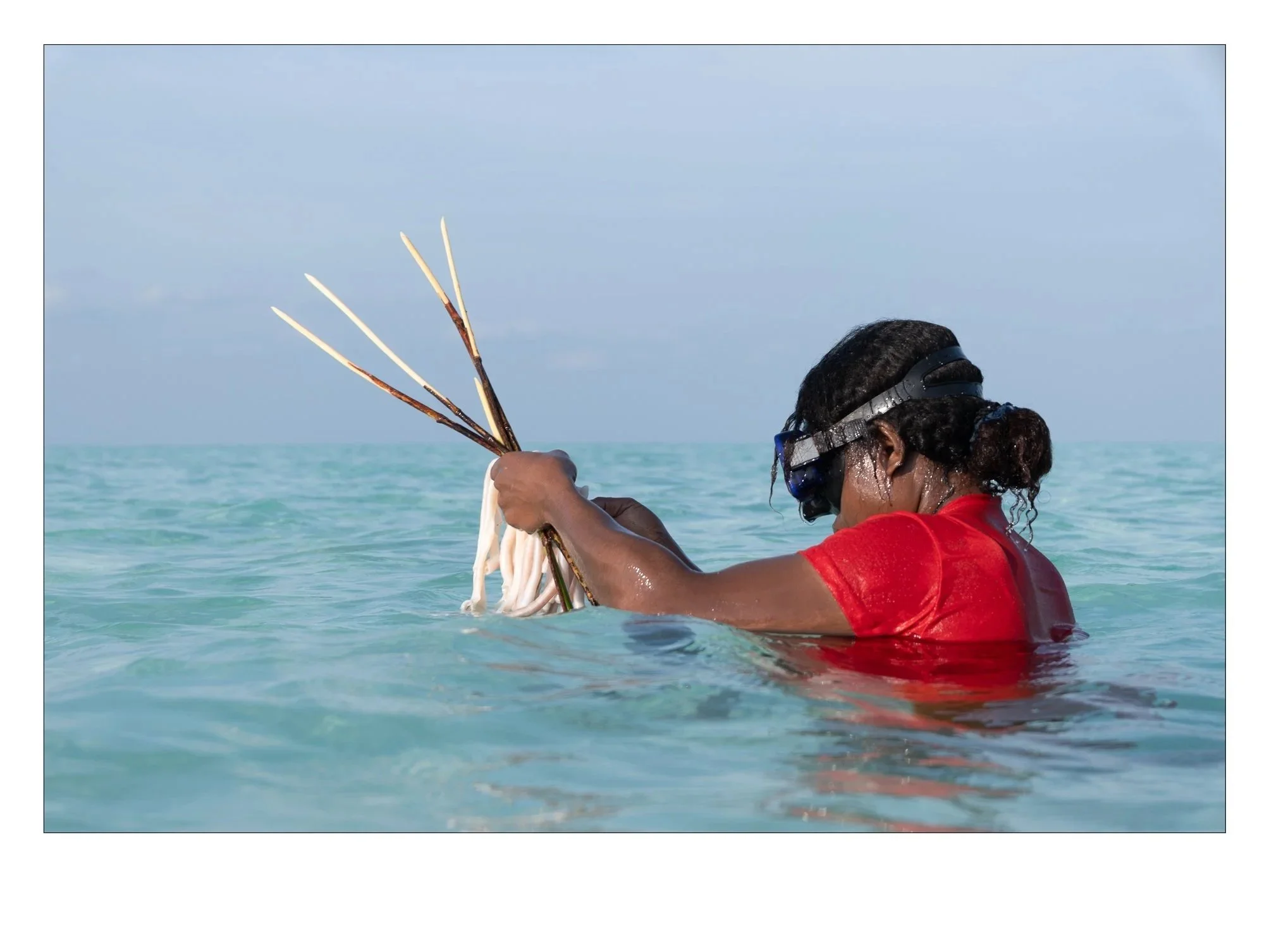
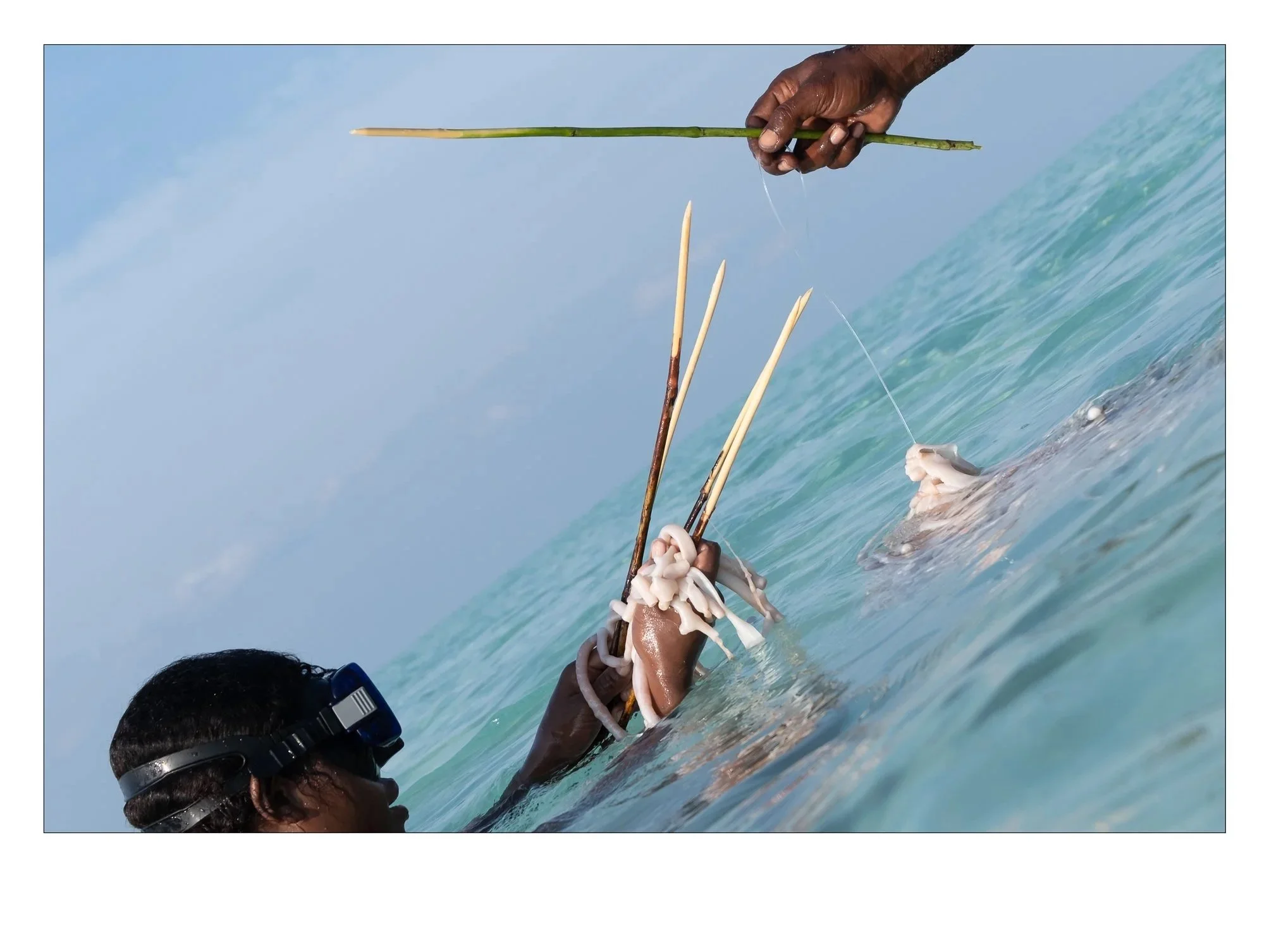

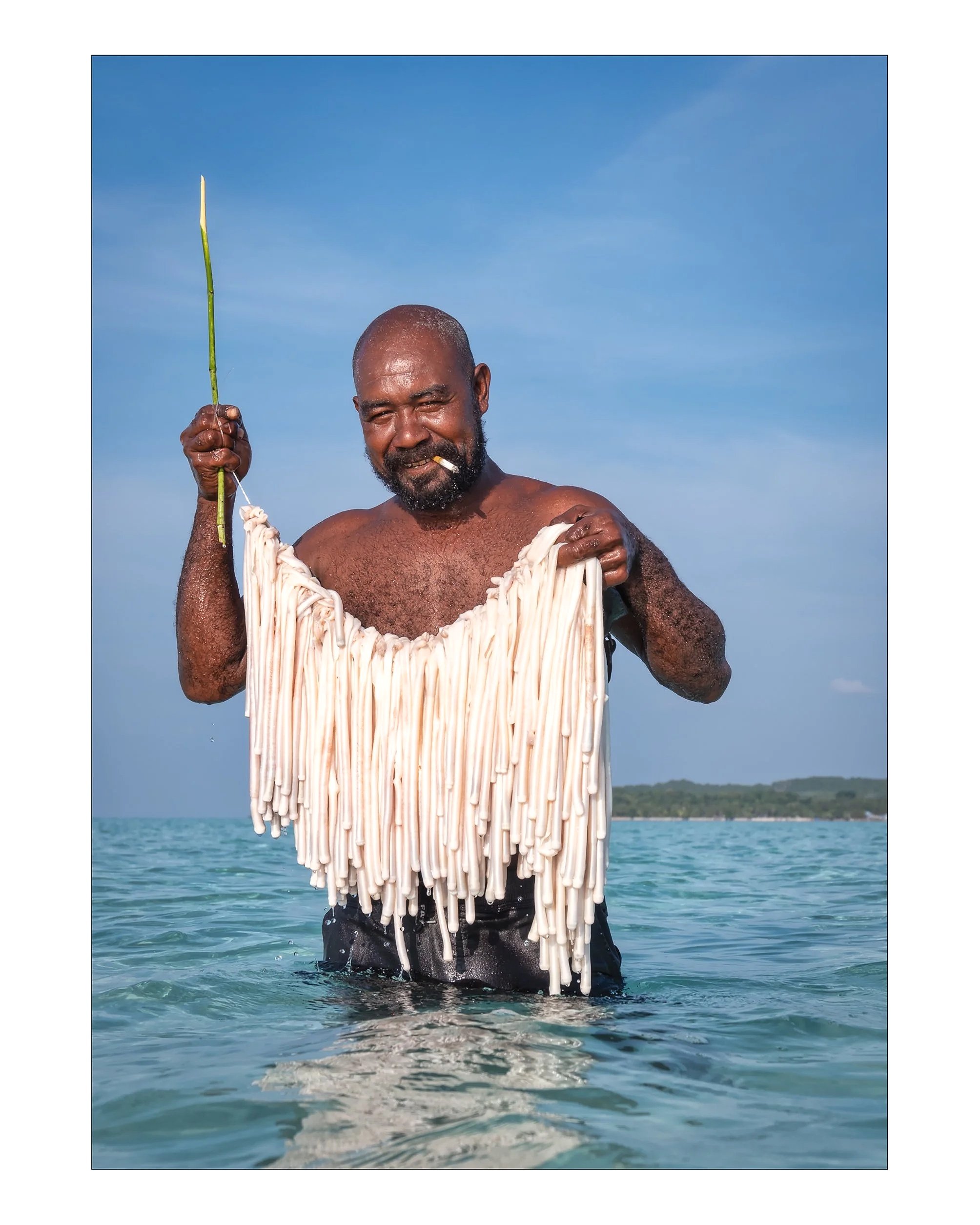
Sandworms, harvested by the women from the lagoon's sandy floor
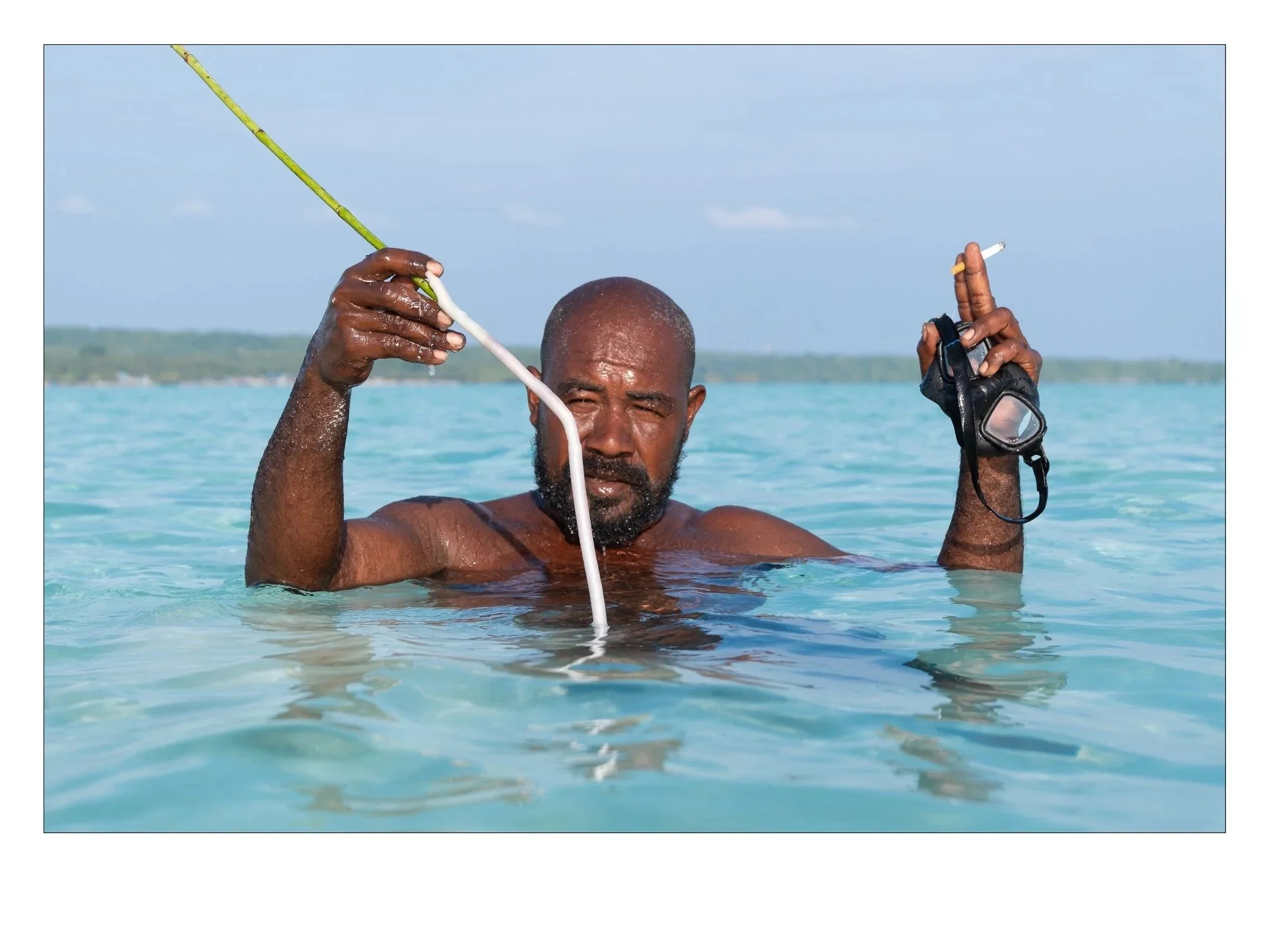
But Beni also knows how to pull them out
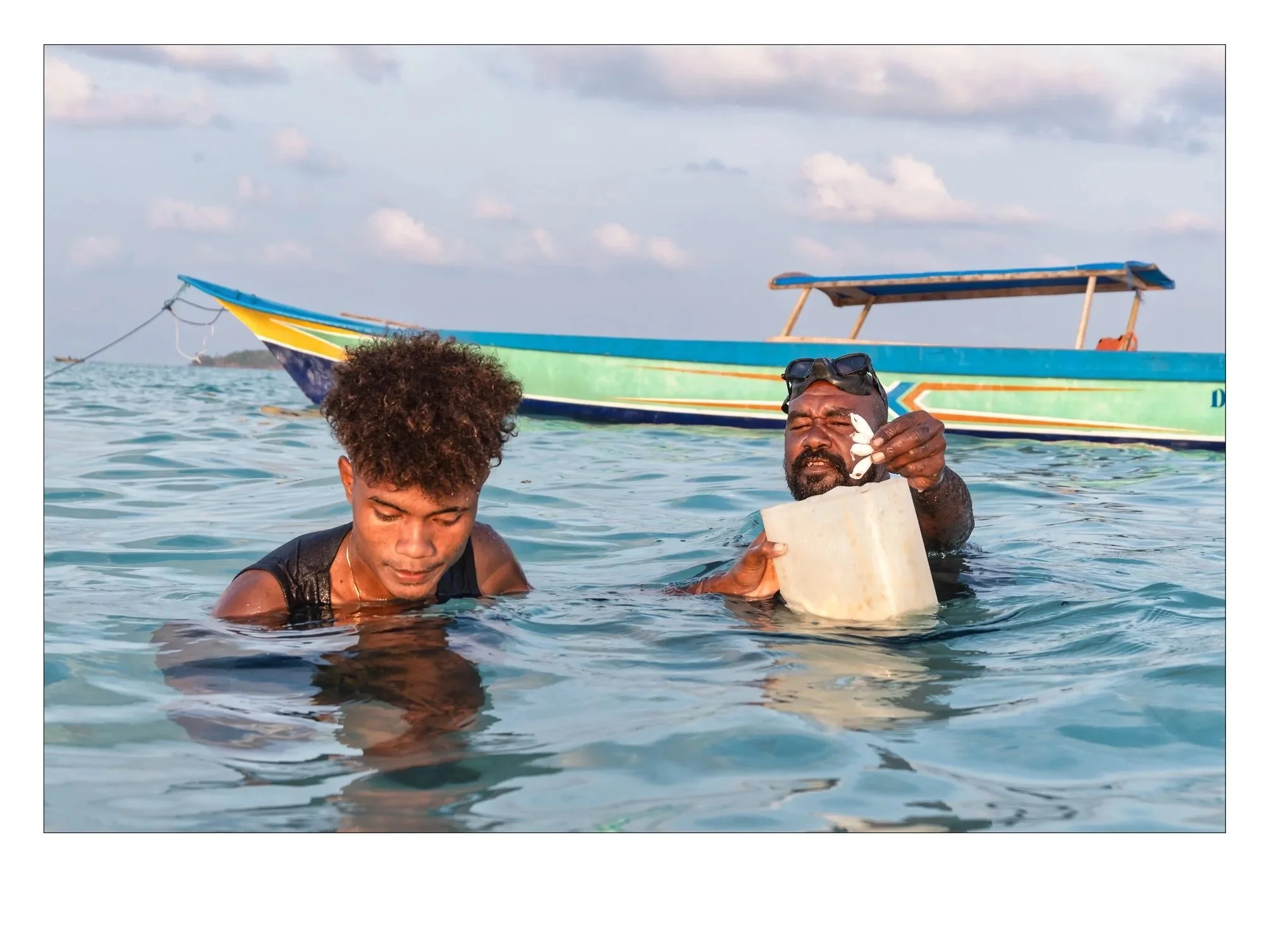
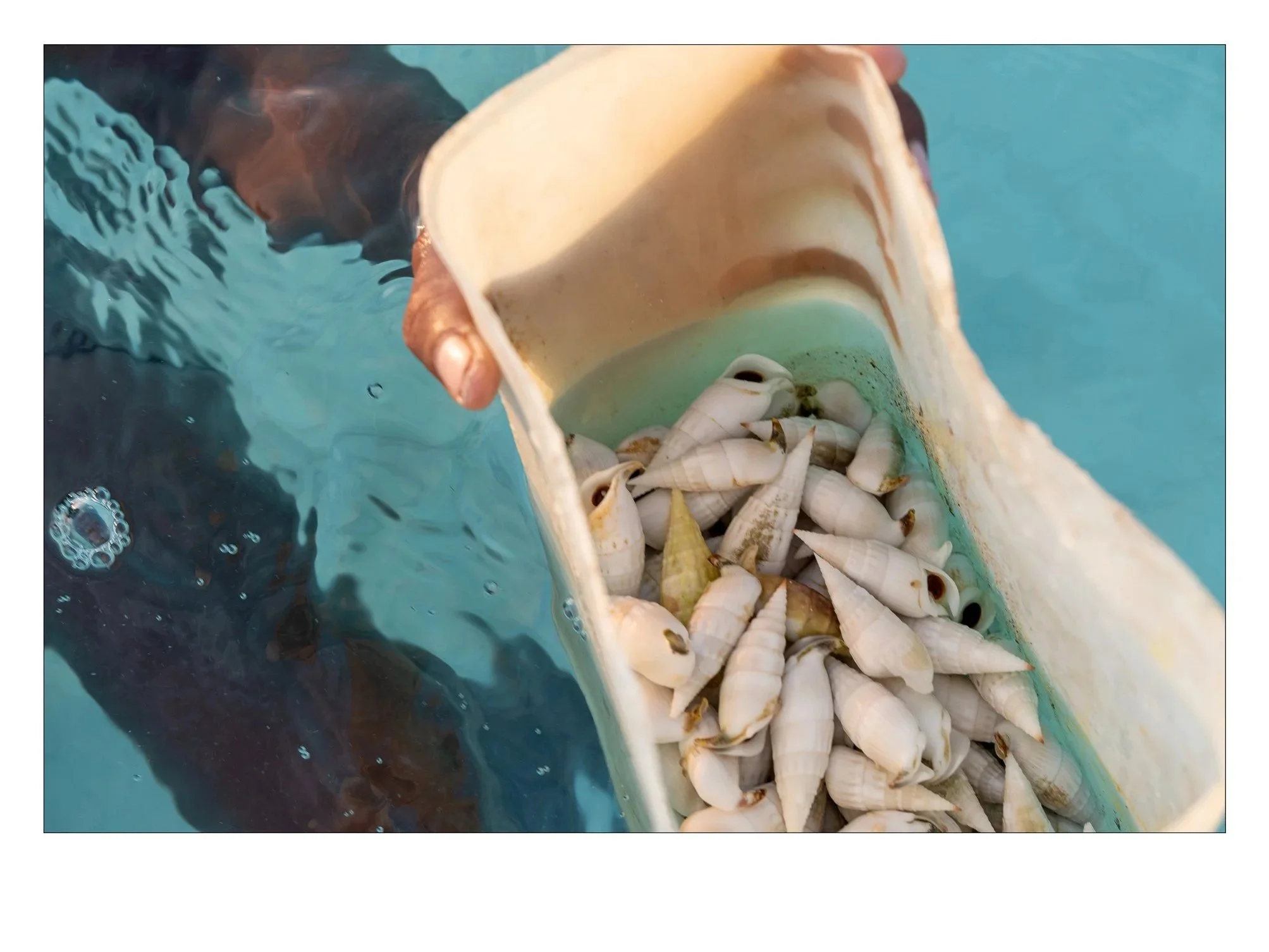
Pulau Friwen
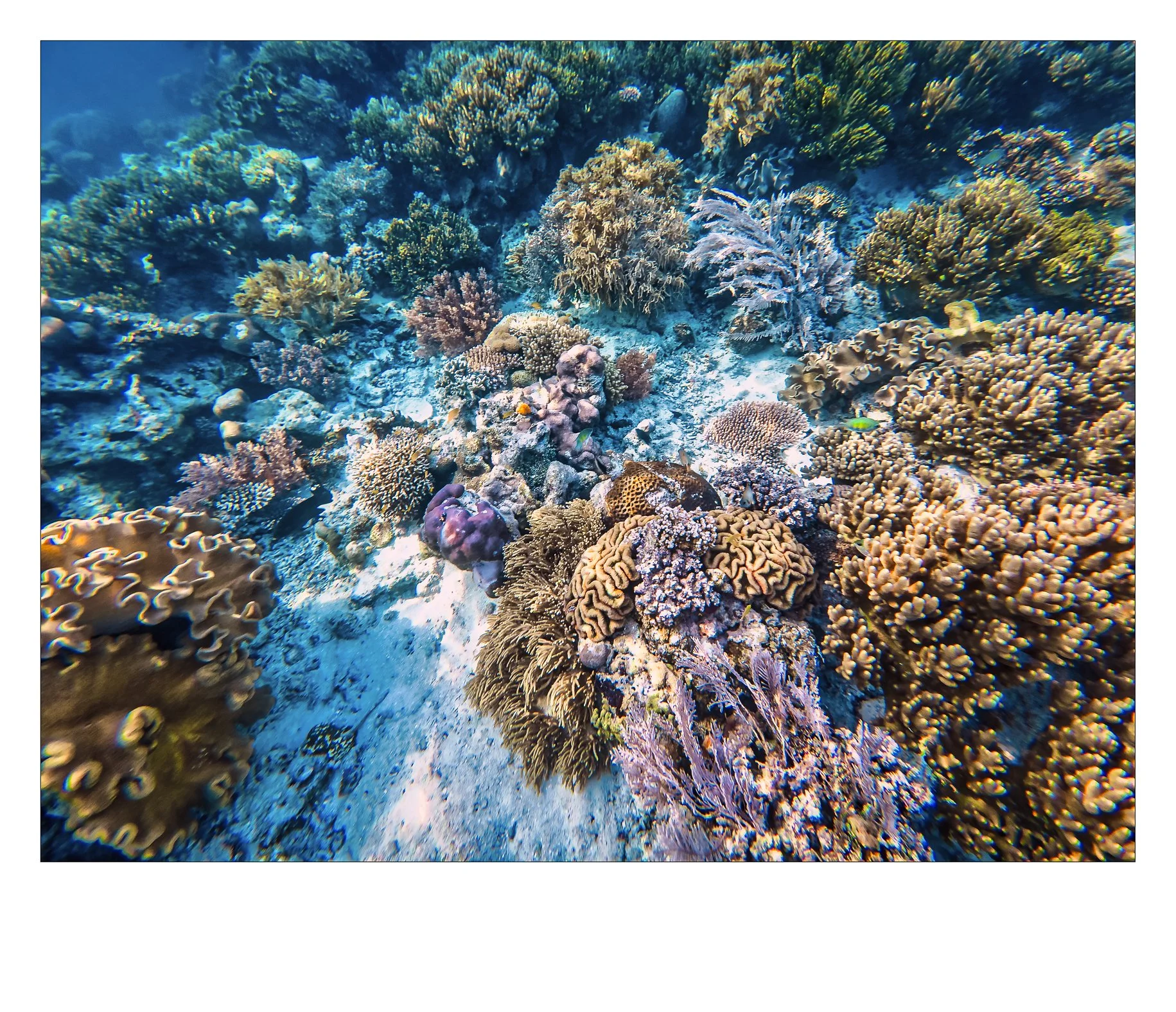
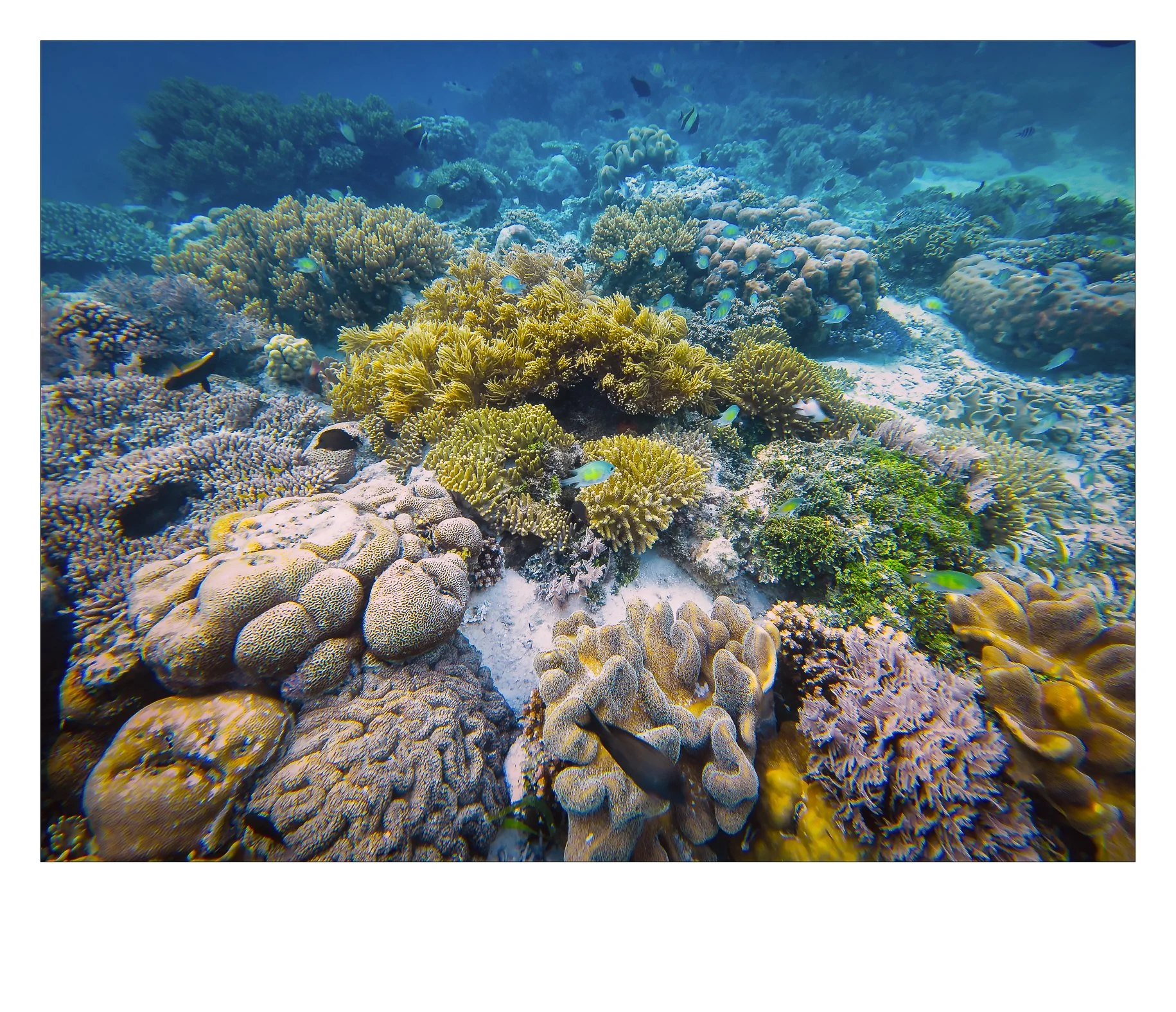
Friwen has some nice house reefs
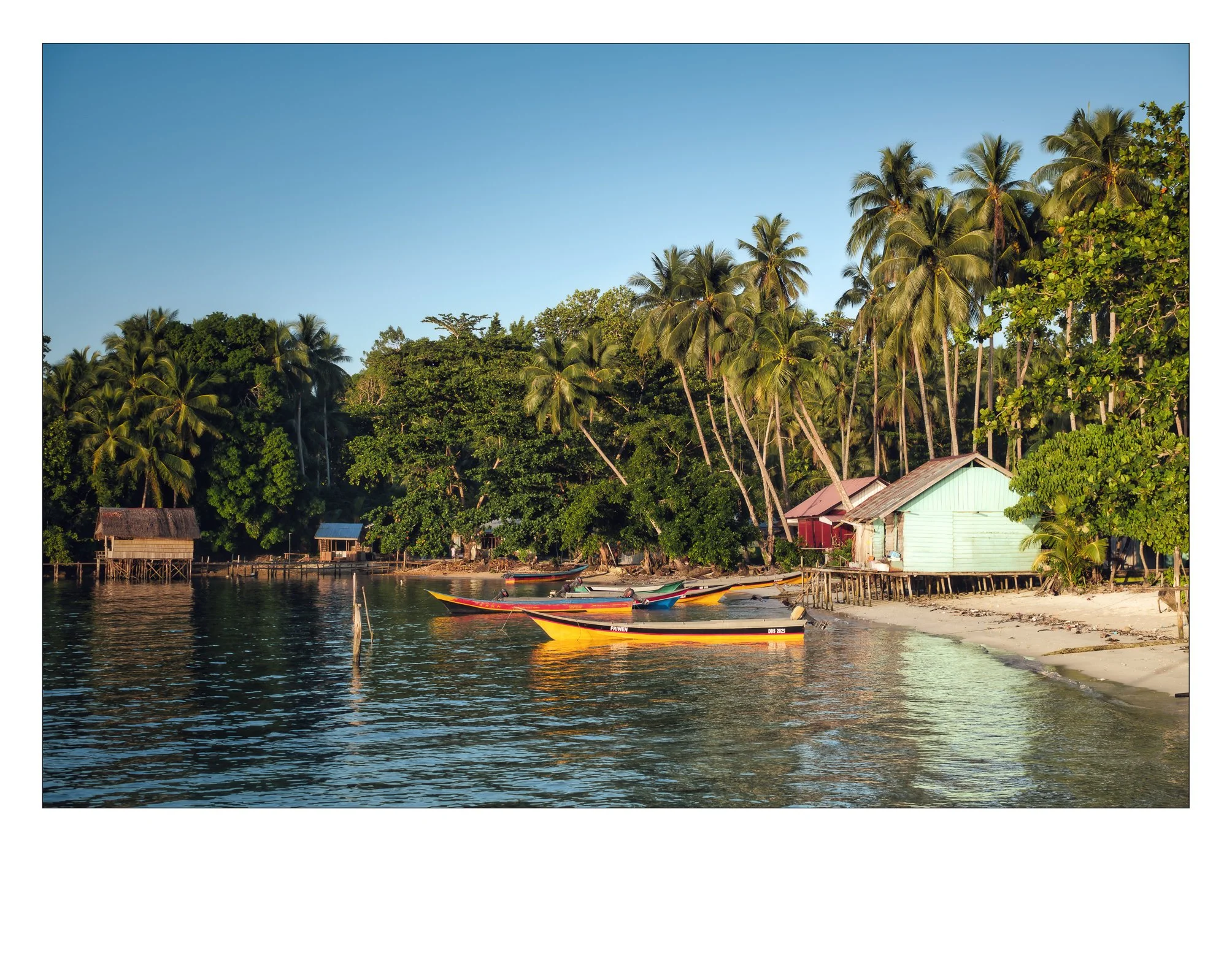
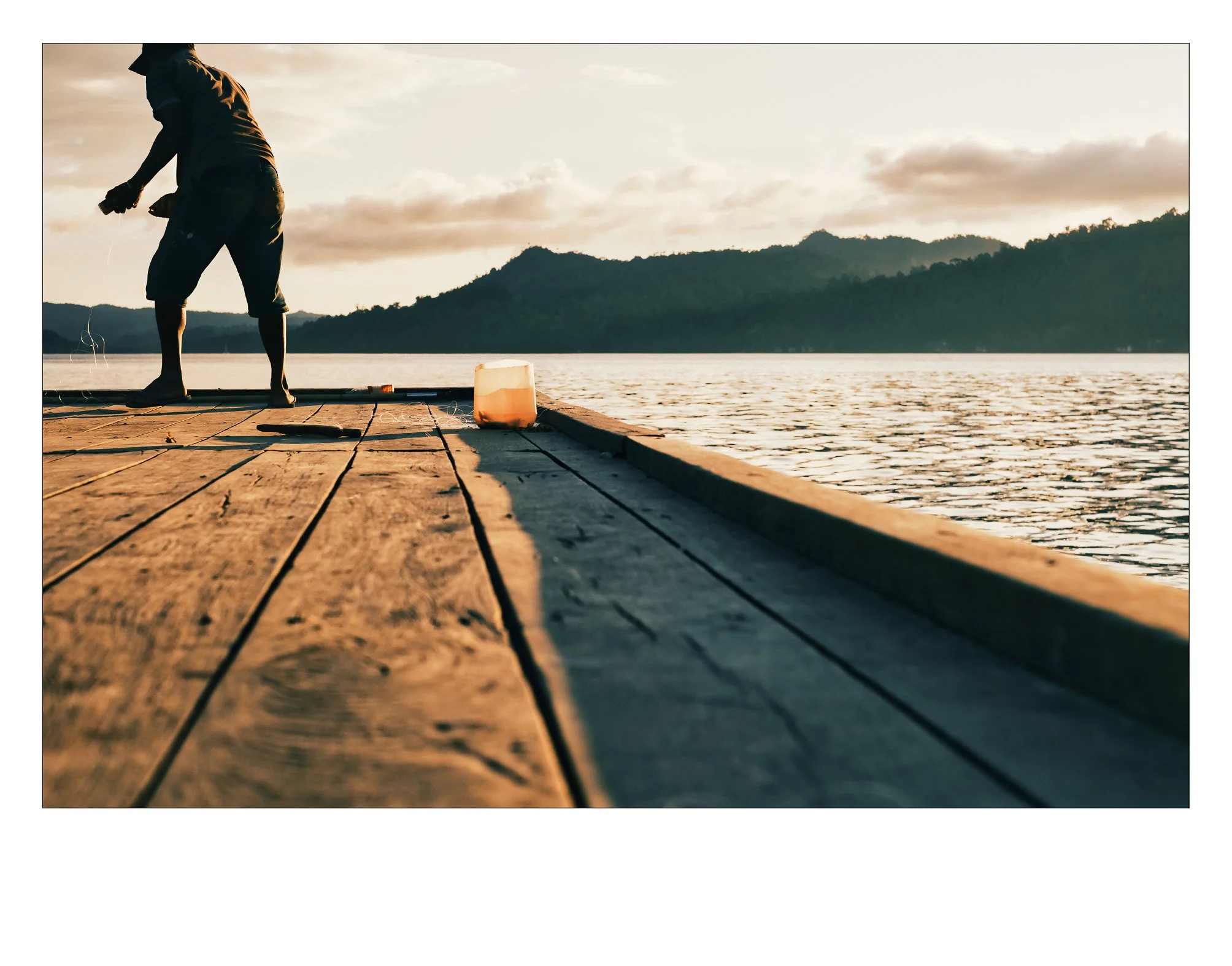
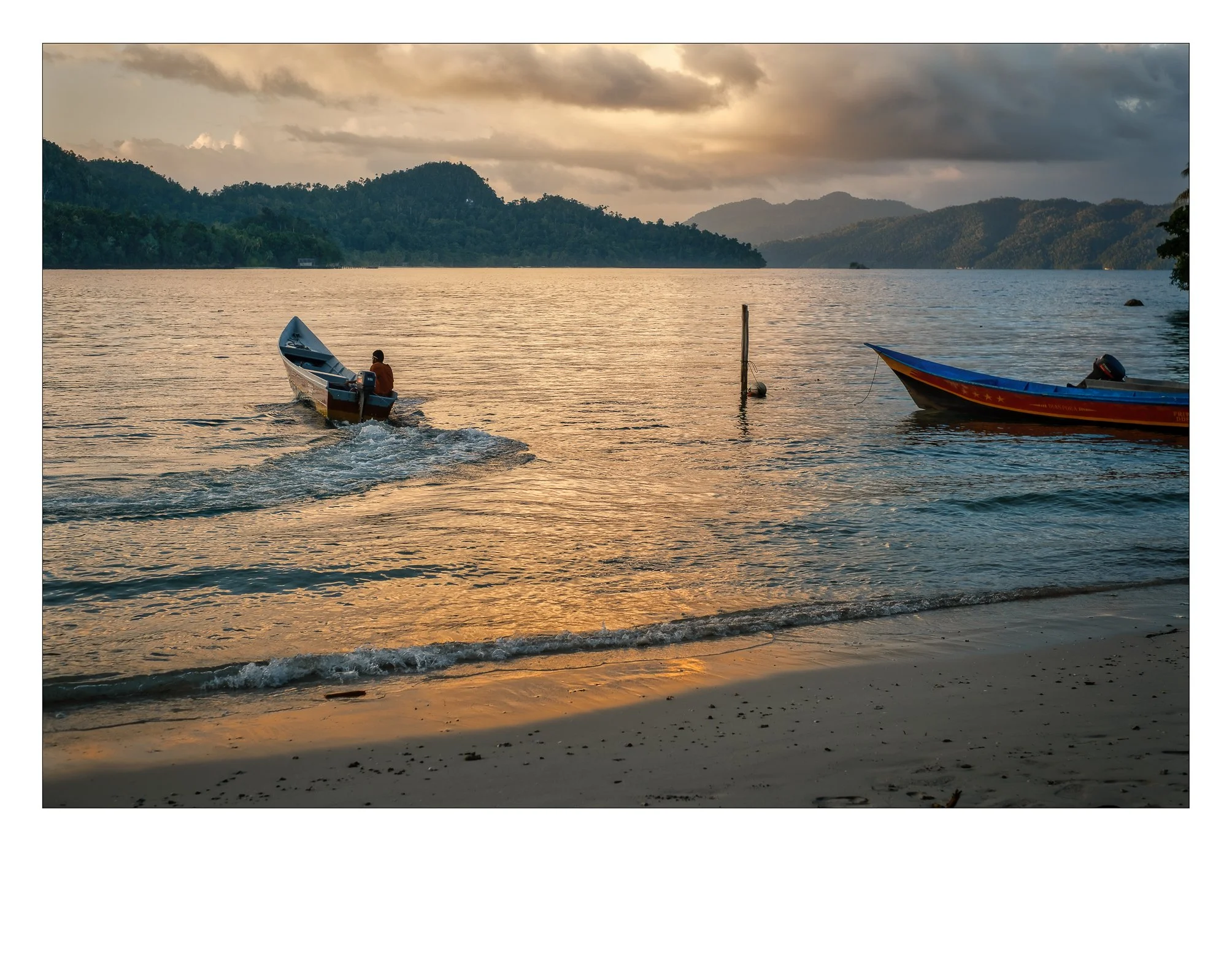
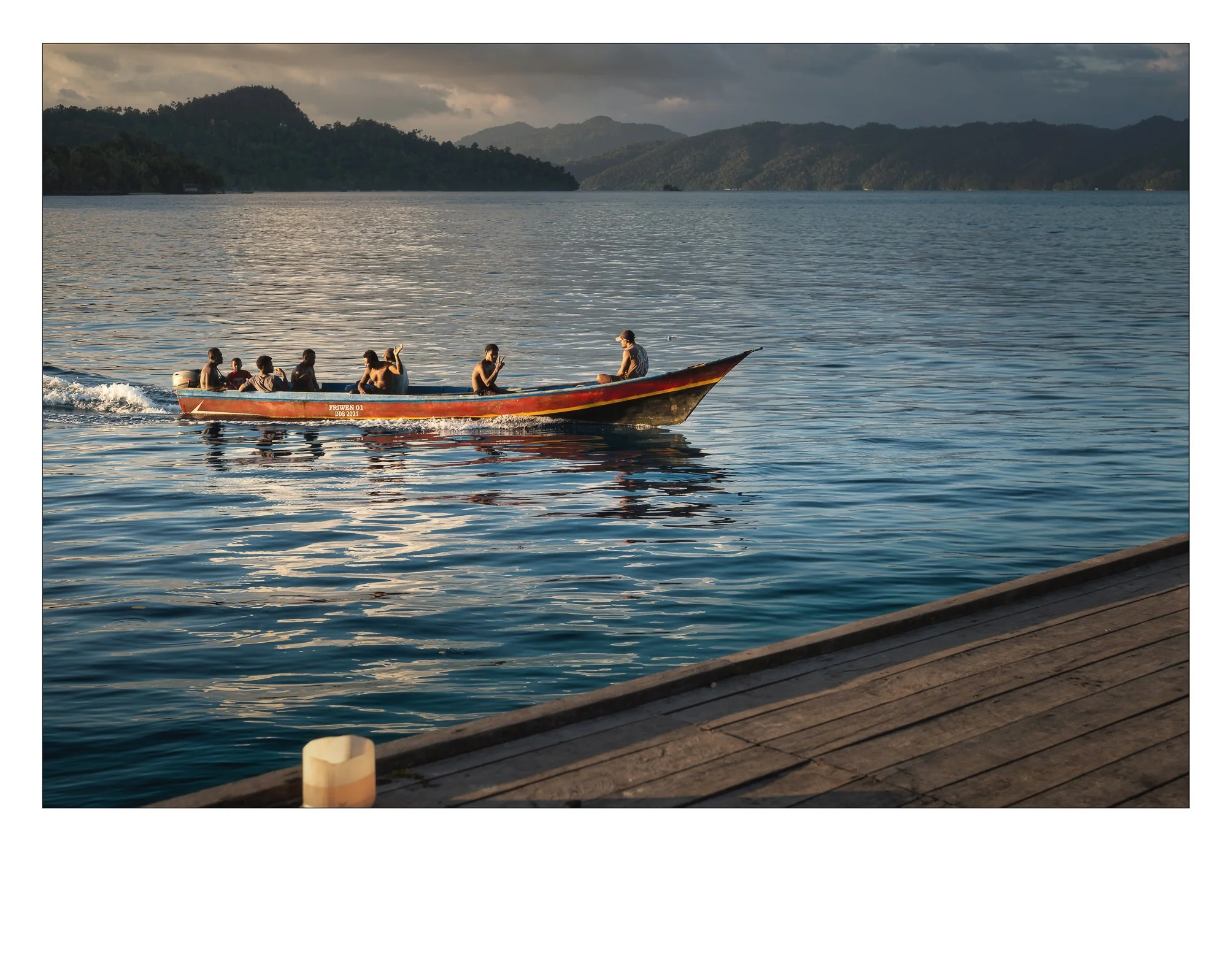
After the isolation and the surreal, endless turquoise expanses of the Ayau Atoll, Pulau Friwen felt almost like a return to civilization. I was again the only guest at my homestay, and still no one spoke a word of English, but there was at least a bit of cell service, proper sit-down toilets, and a dive center in plain sight, just across the water on the main island.
Finally, I was able to go diving at those legendary reefs—widely celebrated as the most beautiful and biodiverse on Earth, and the very reason why people travel here.
And the reefs did not disappoint. They were spectacular, kaleidoscopic, and almost psychedelic in their sheer variety. Manta season was winding down (much like the tourist season itself in late April), and so the dive sites were relatively uncrowded.


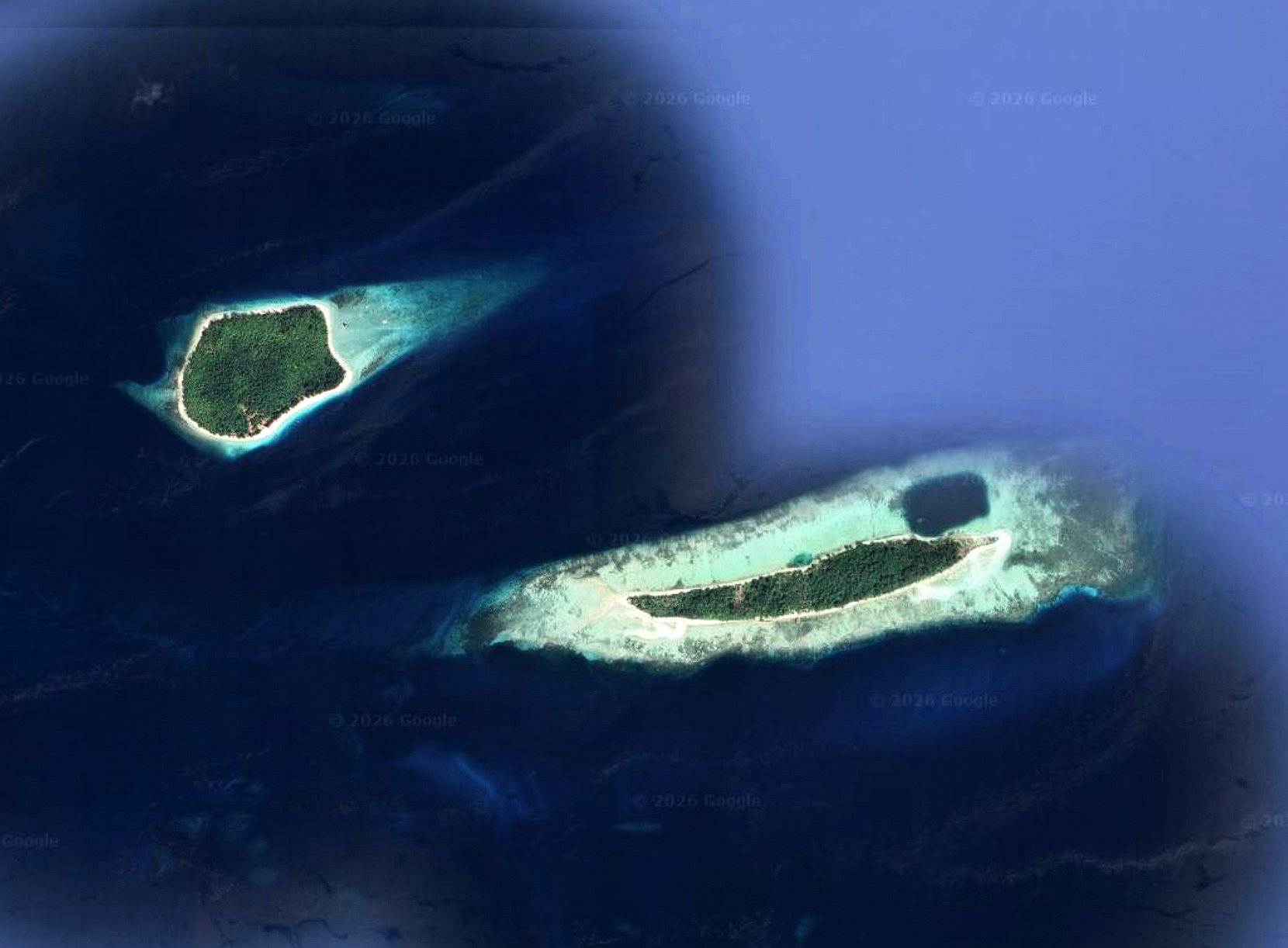
Pulau Merpati
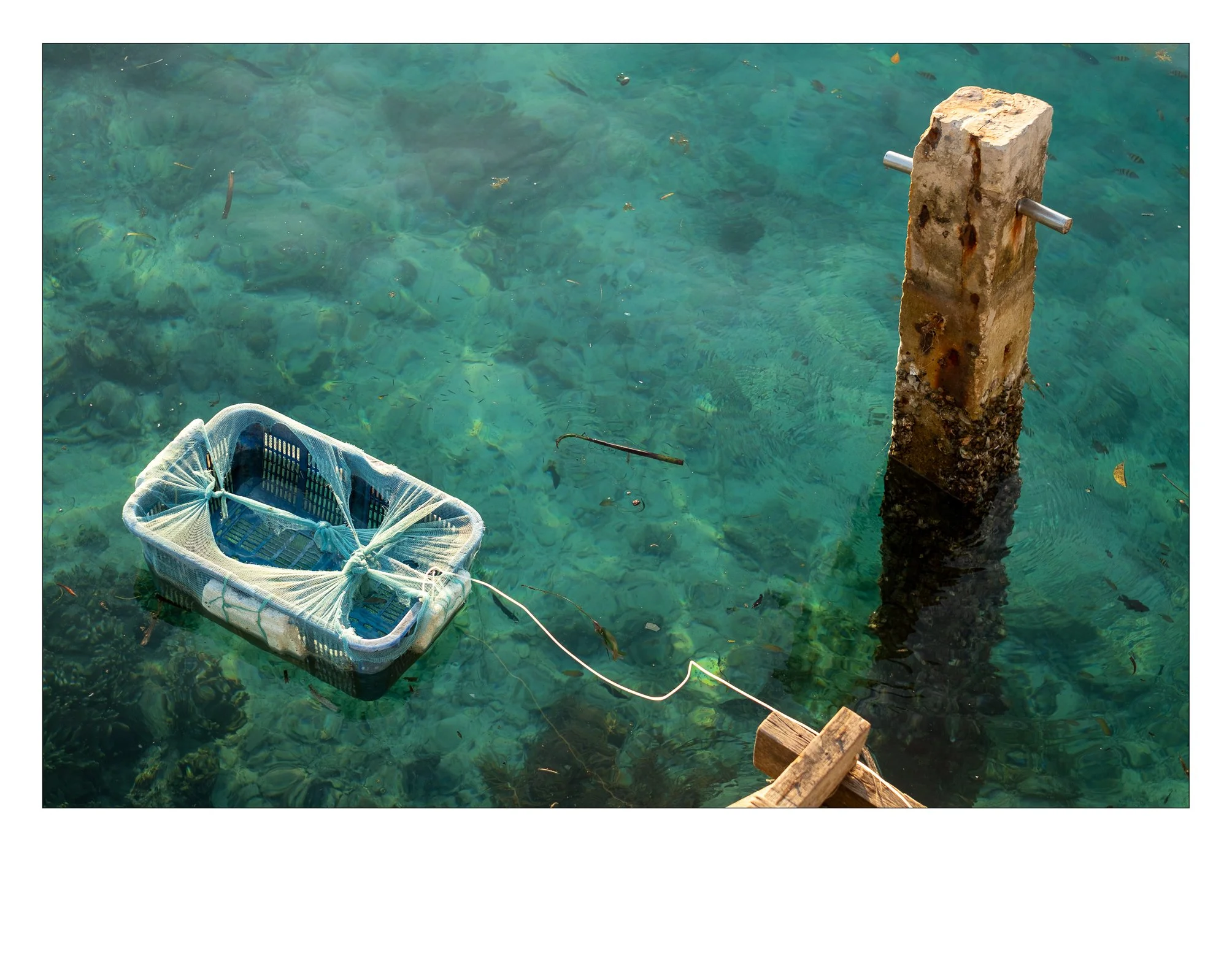
Despite its nice house reefs and vicinity to world class dive sites, Pulau Friwen was not a totally happy place: having been without much social interaction for over two weeks now and being unable to ignore the sewage and trash issues, I was ready to move on.
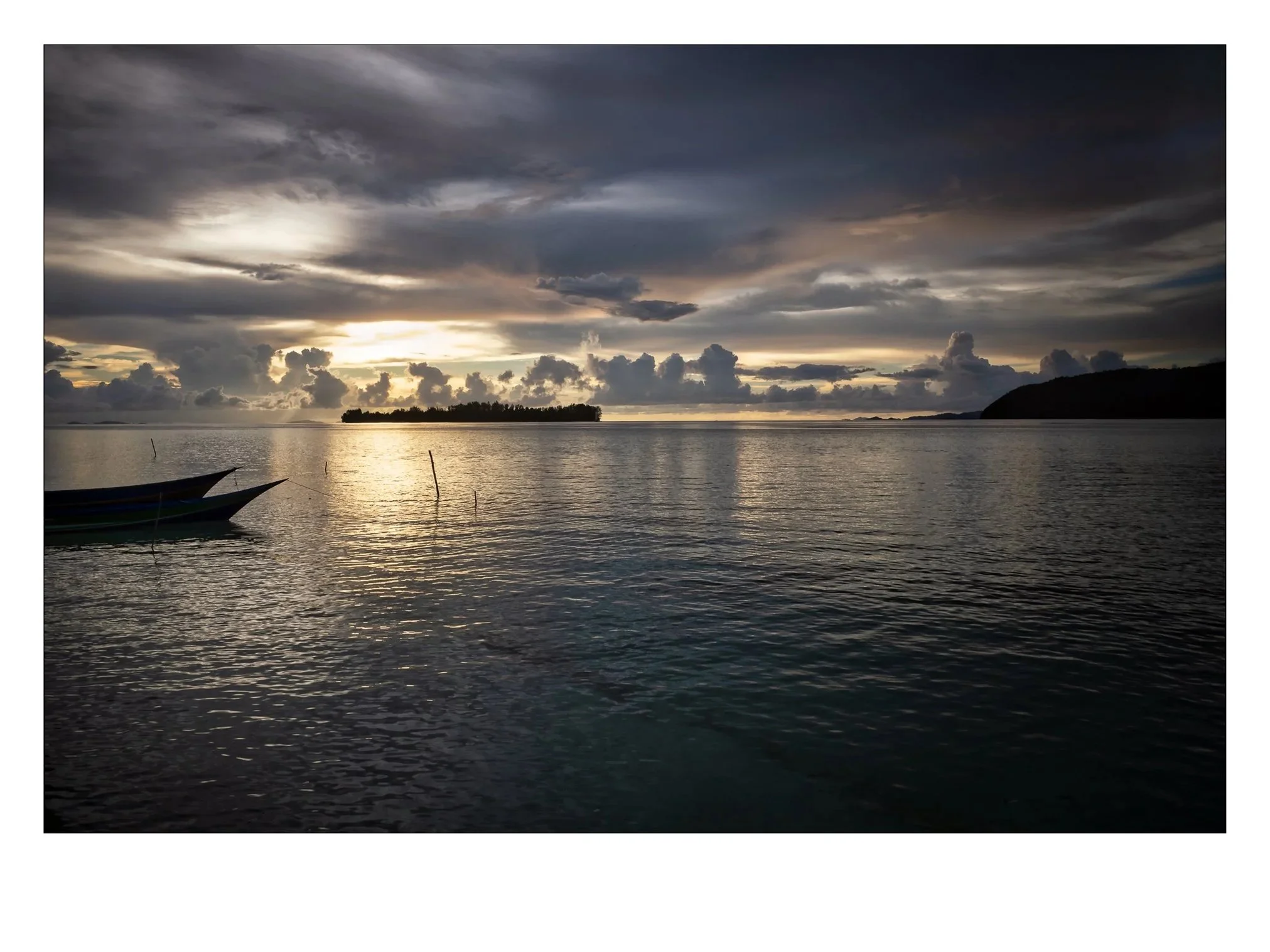
Luckily I ended up on Pulau Merpati. Fabulously pretty, practically uninhabited except for a homestay run by a charming chap called Fiki, and I was in good company with other travelers - and even the house reefs were even better than on Friwen.
And on top of that there was a dive center, on the other side of the island, literally a one-minute-walk.
So it was a week of fun; top snorkeling, diving and some excursions.
This was filmed right by the pier of the dive center
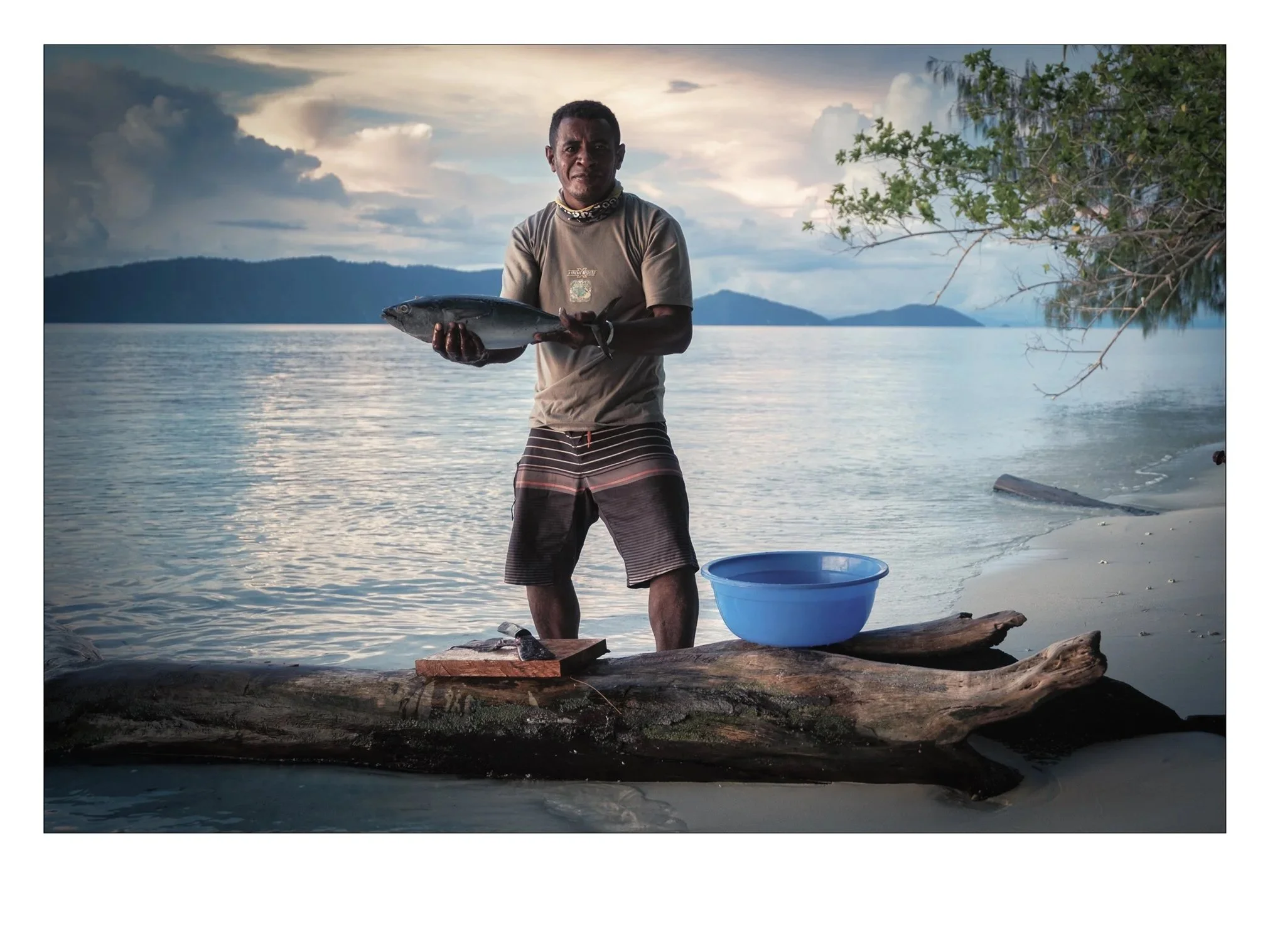
Fiki, the homestay host
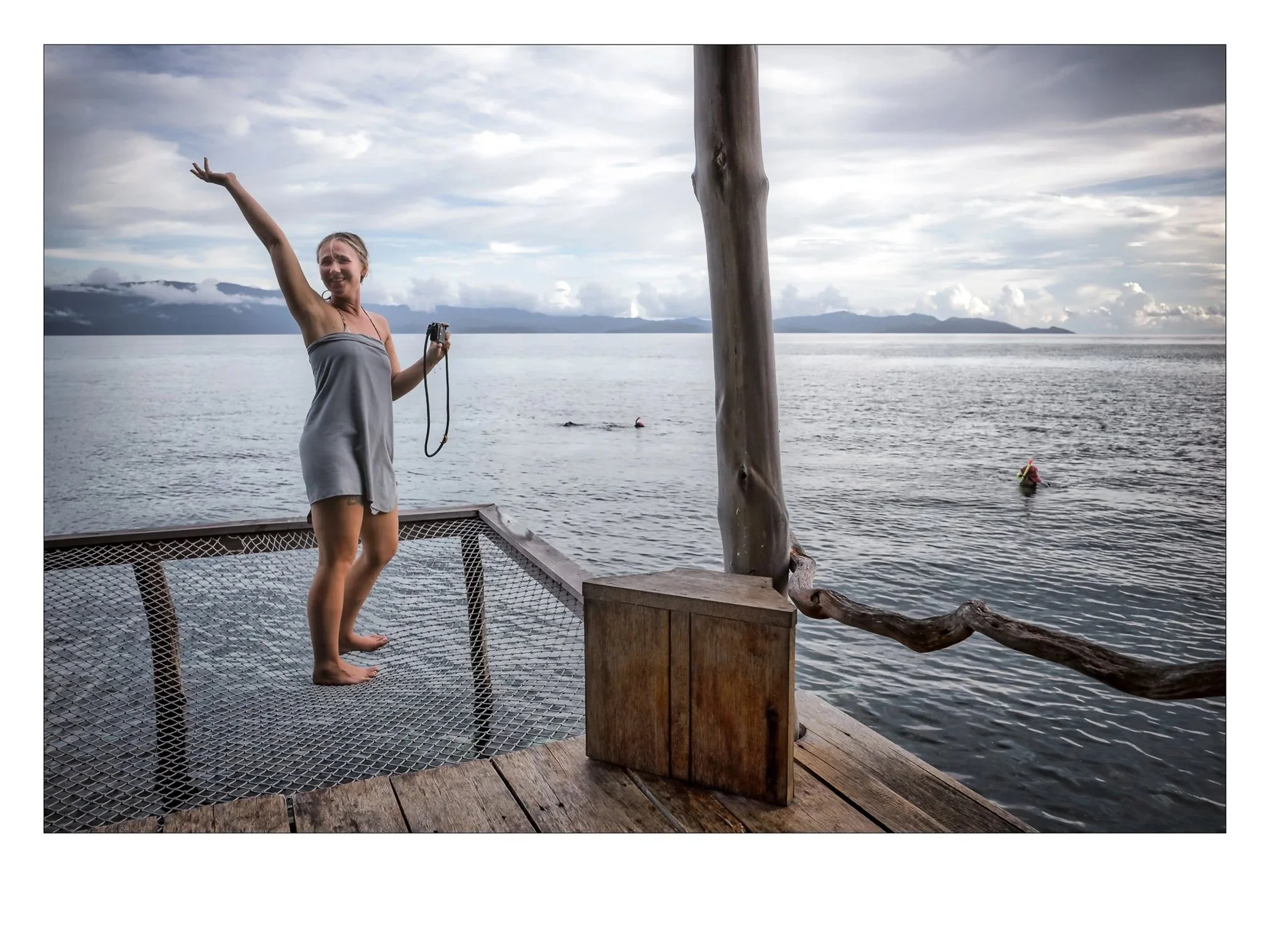
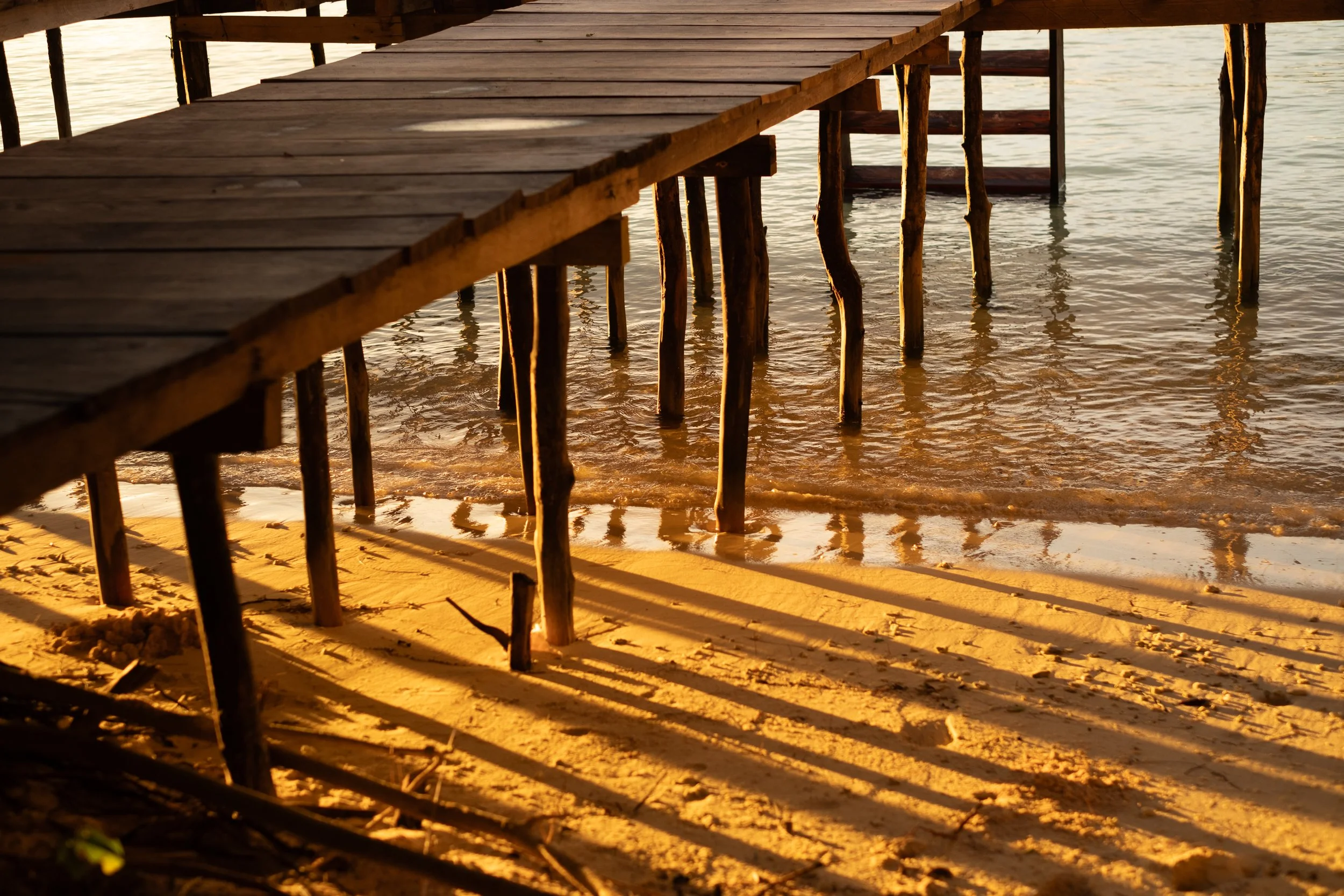
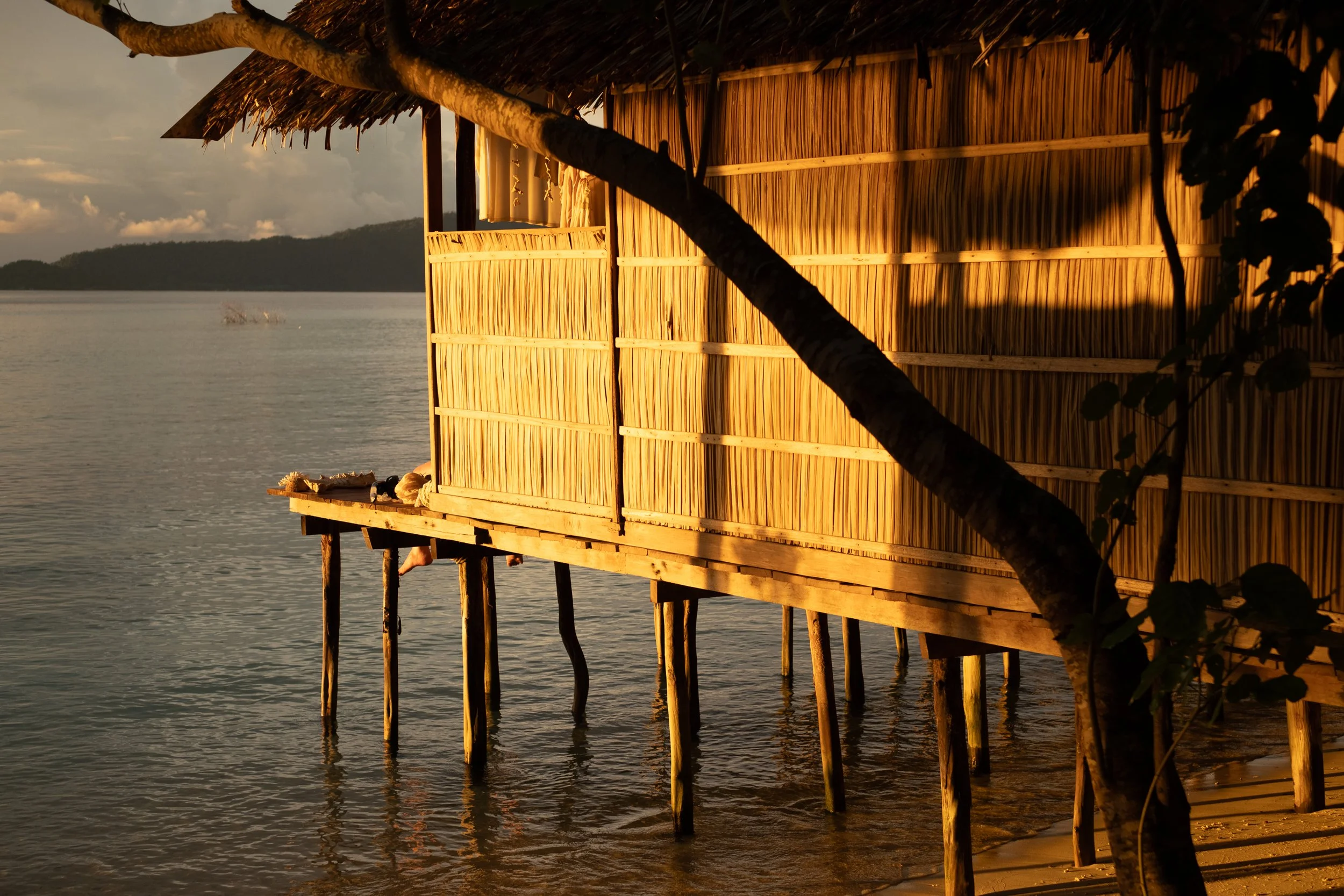
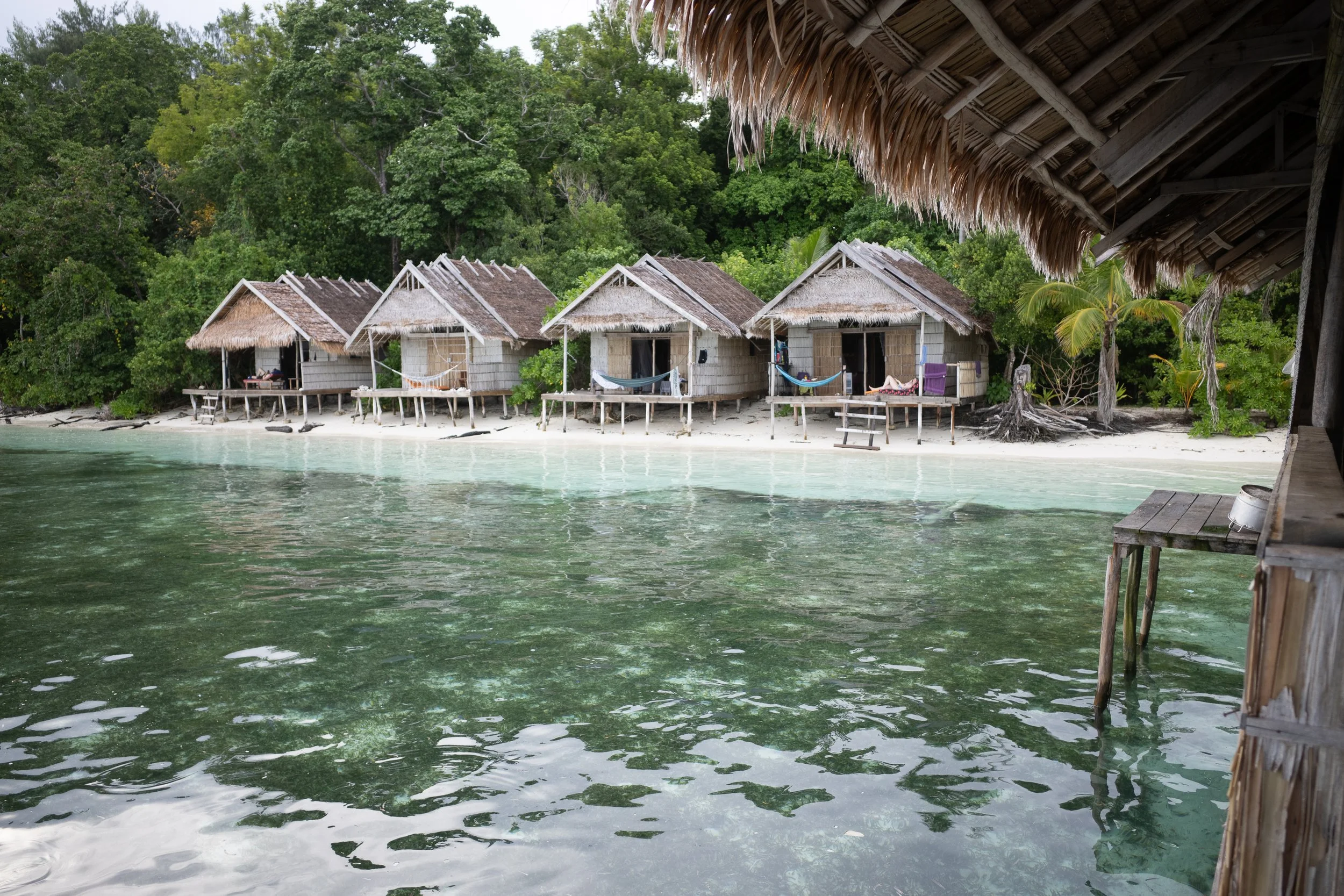
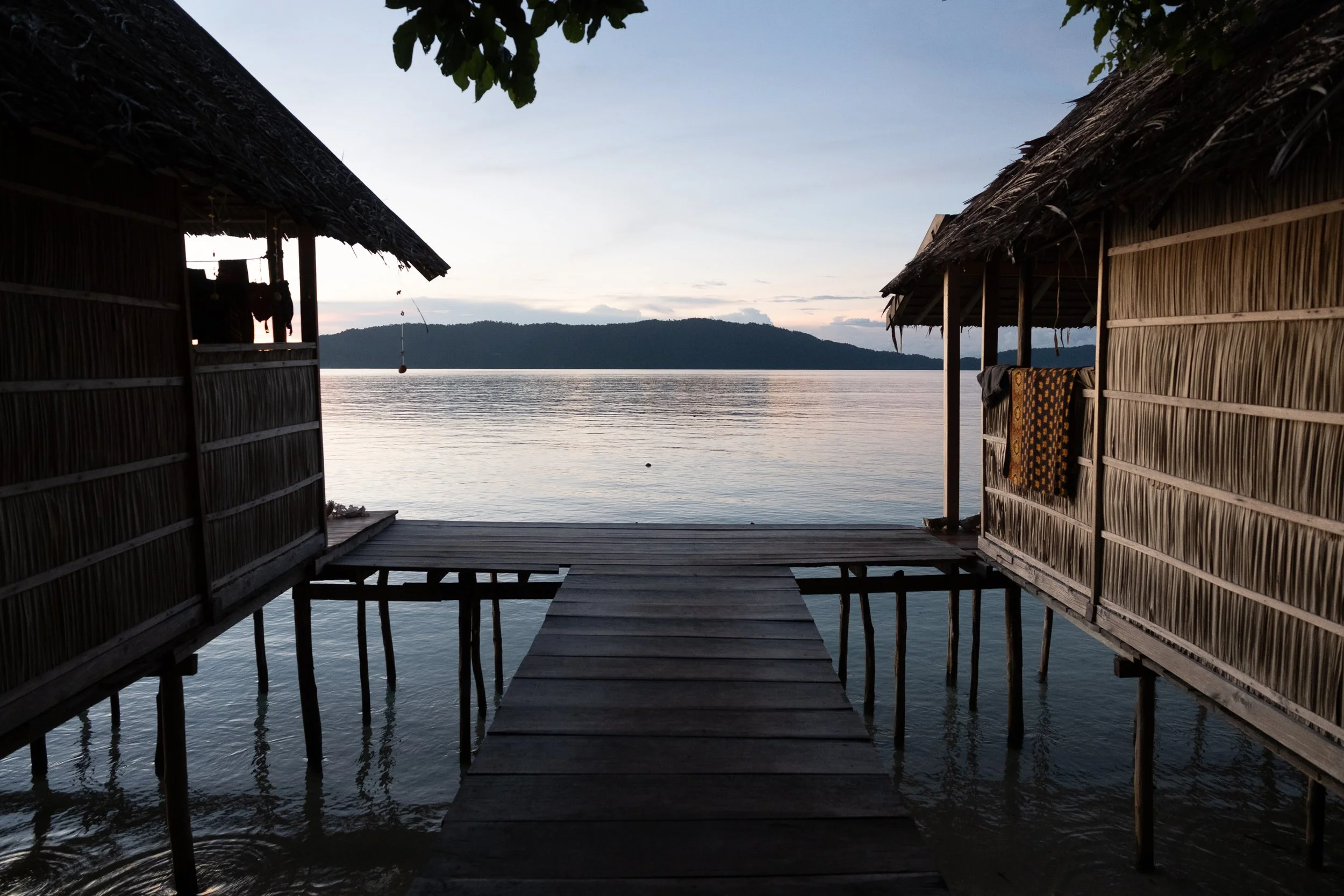
The way to the homestay beach huts
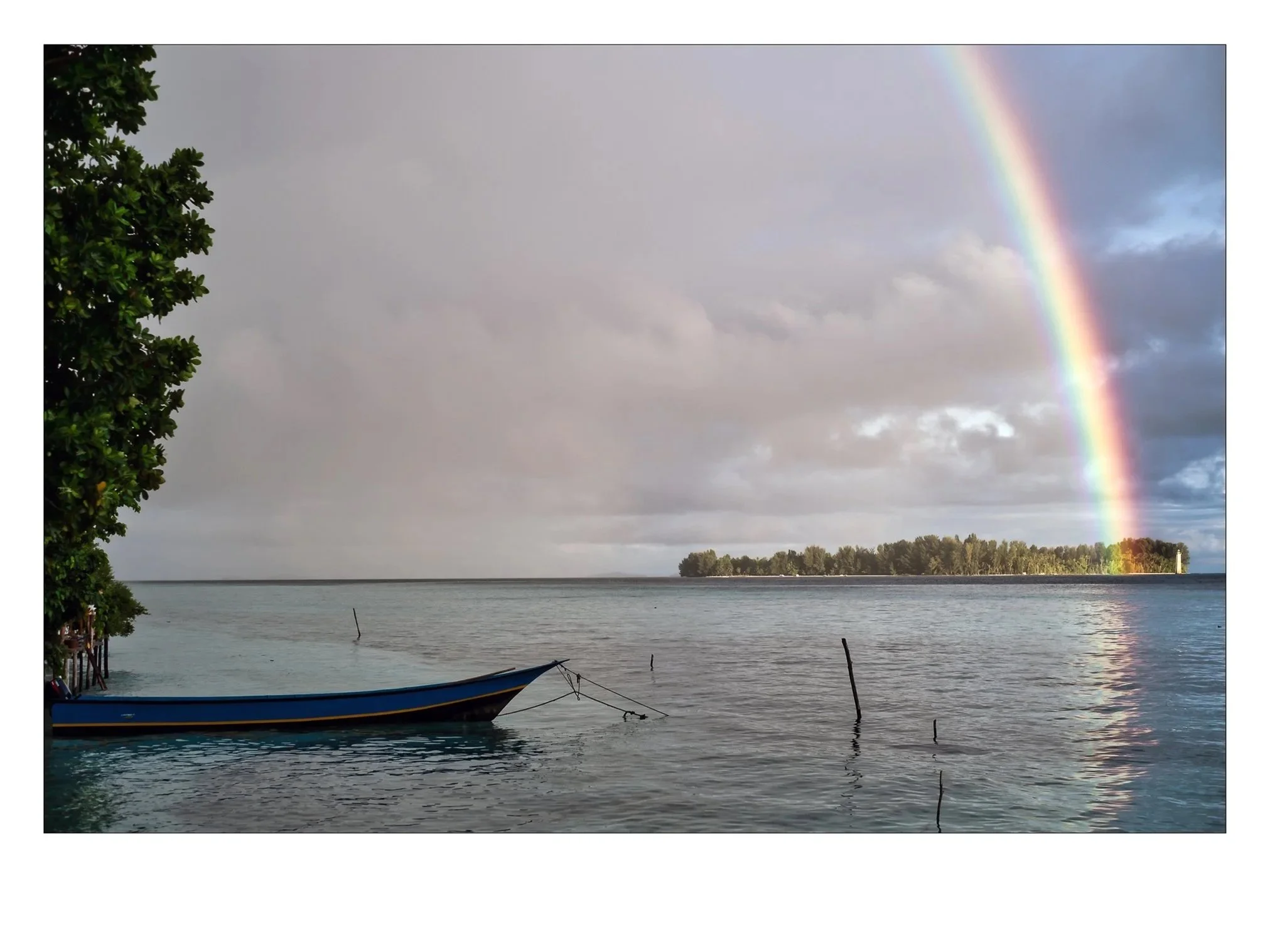

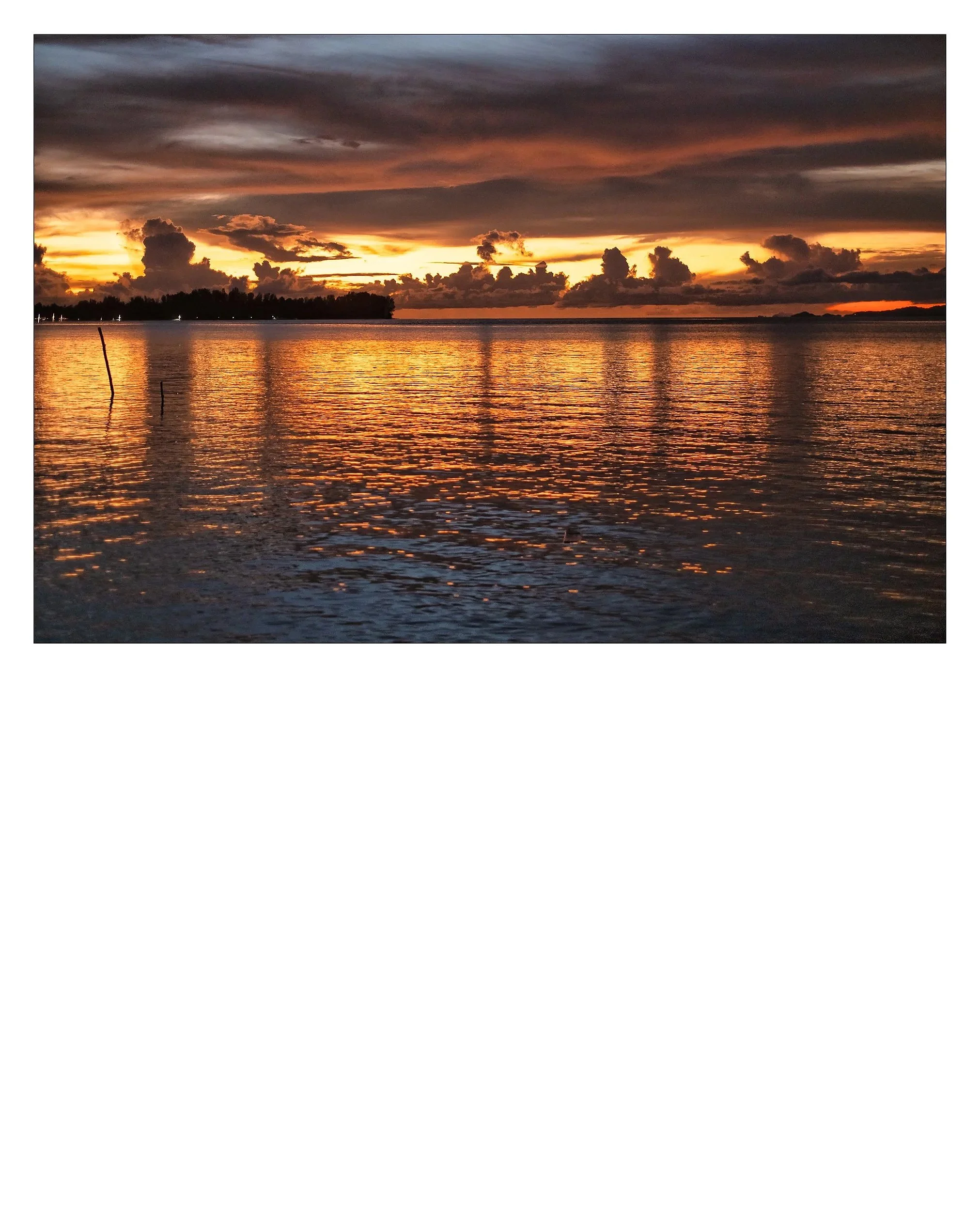
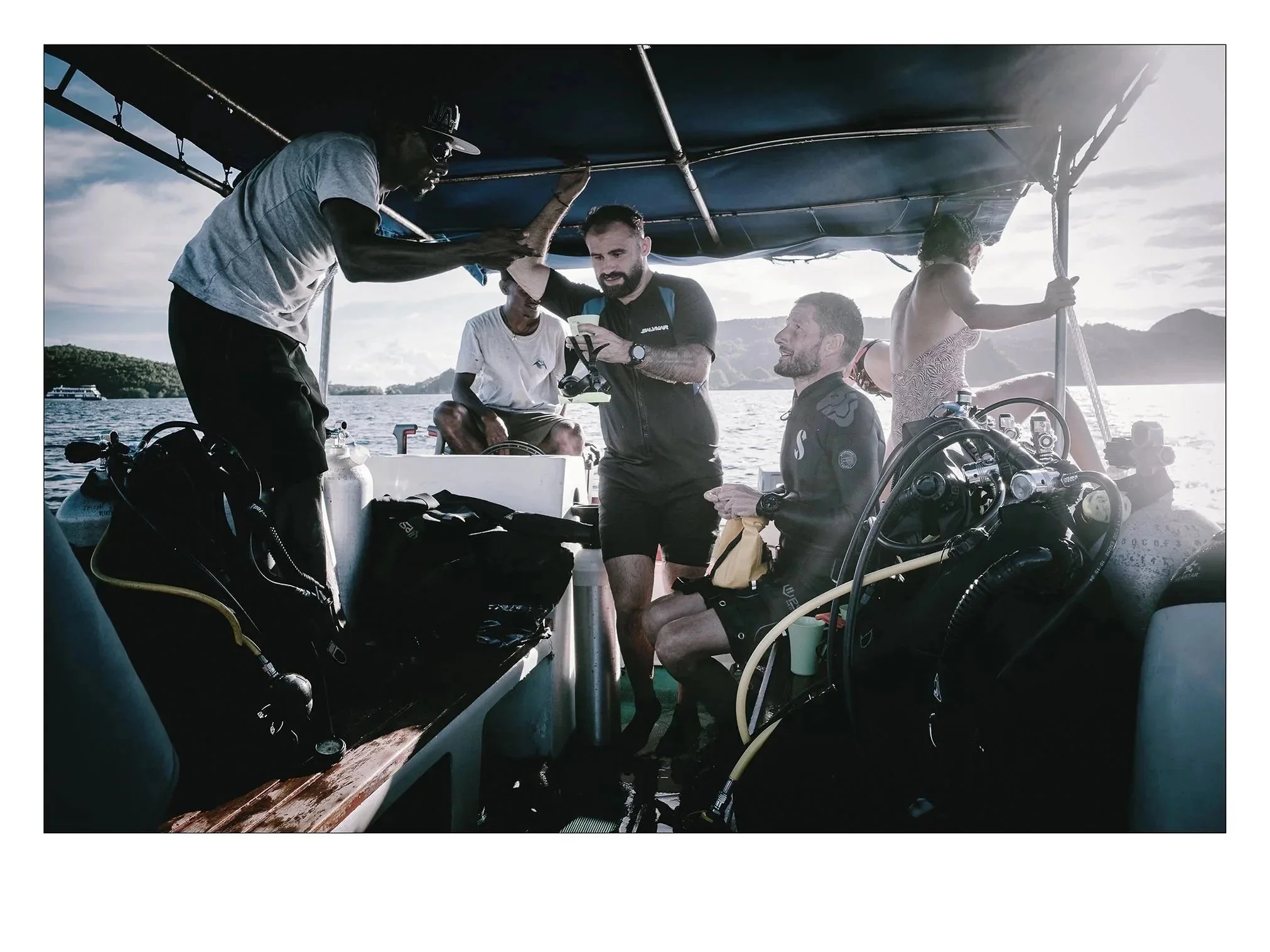
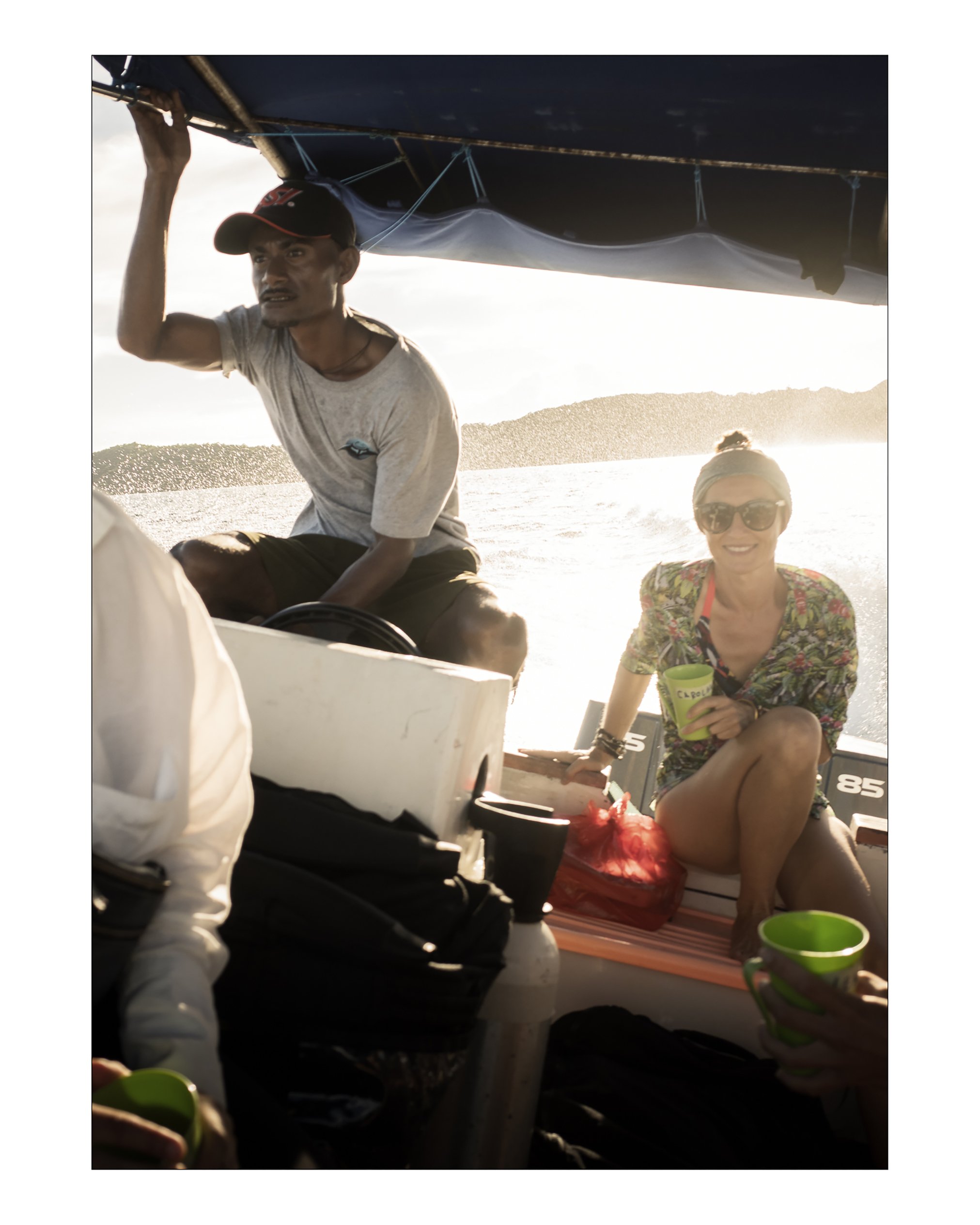
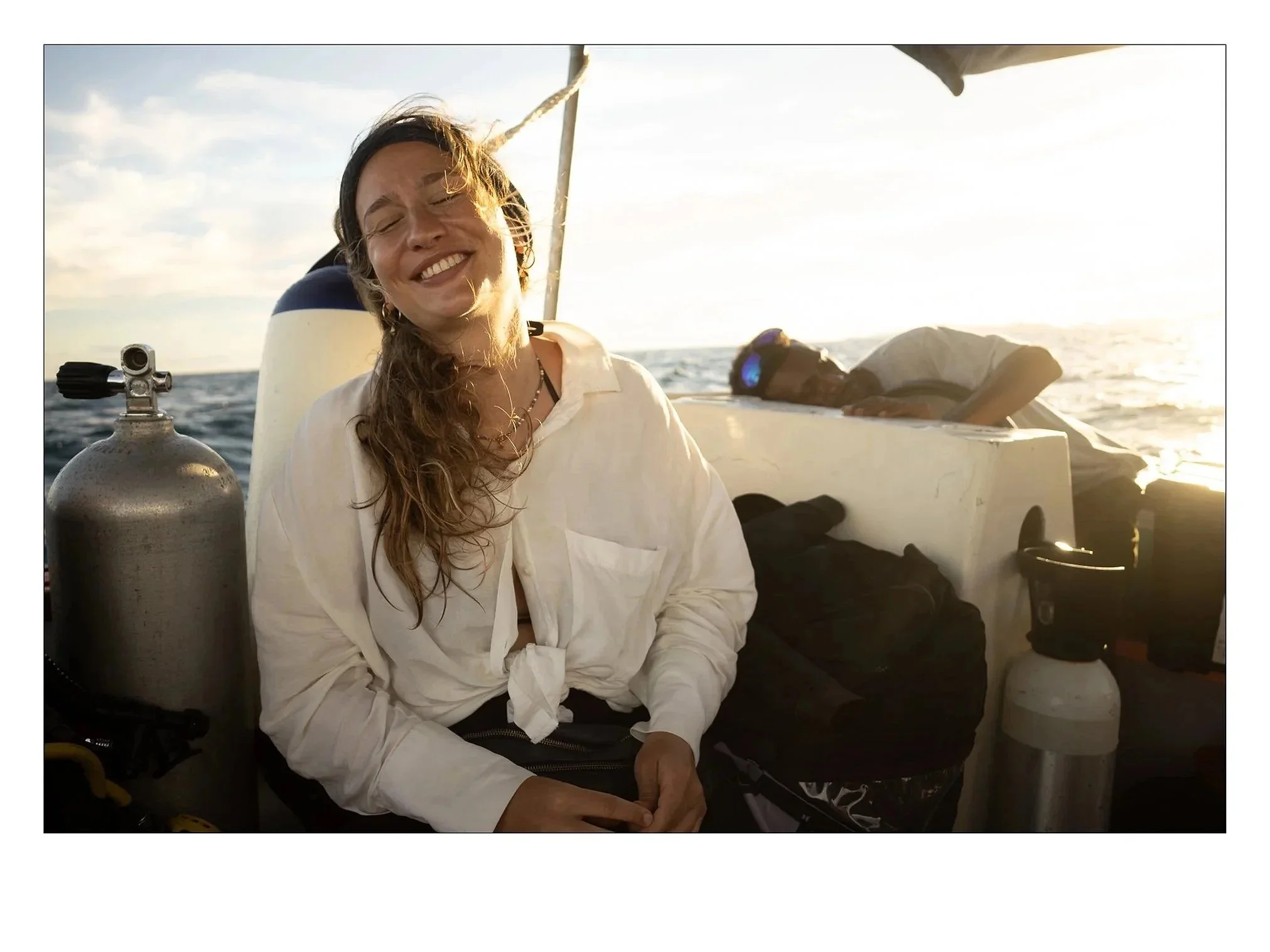
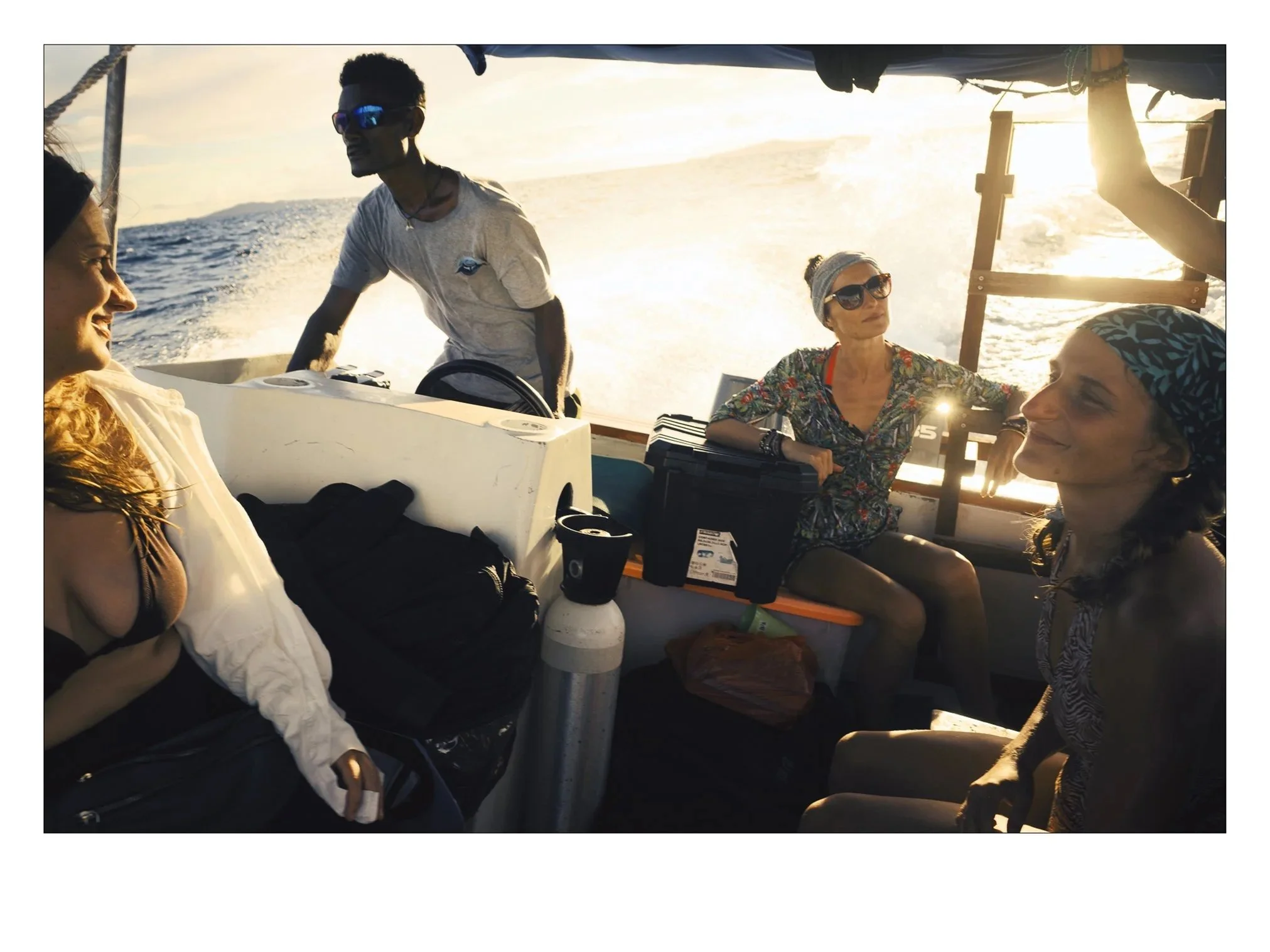
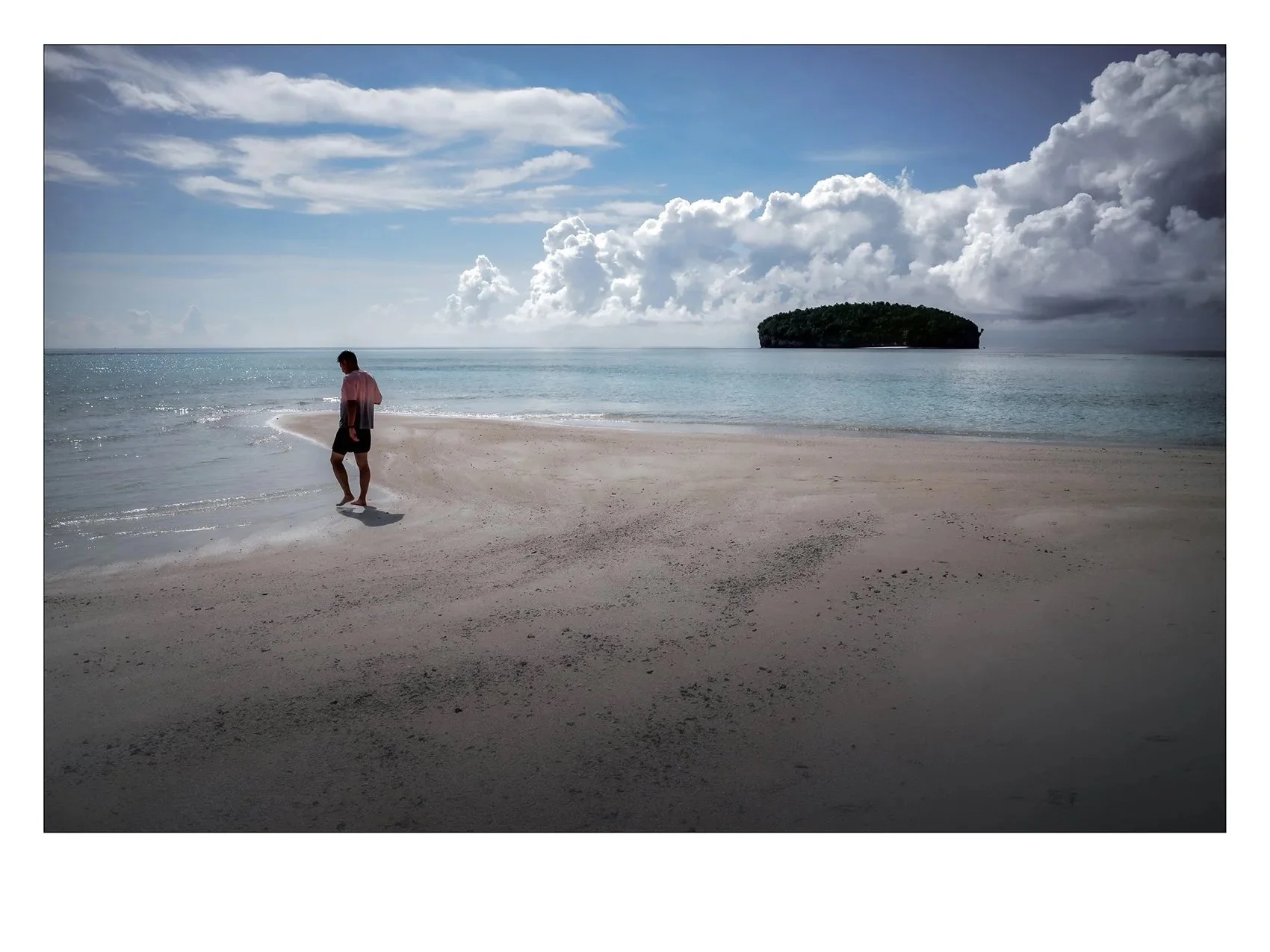
Diving break on a sandbank in the sea
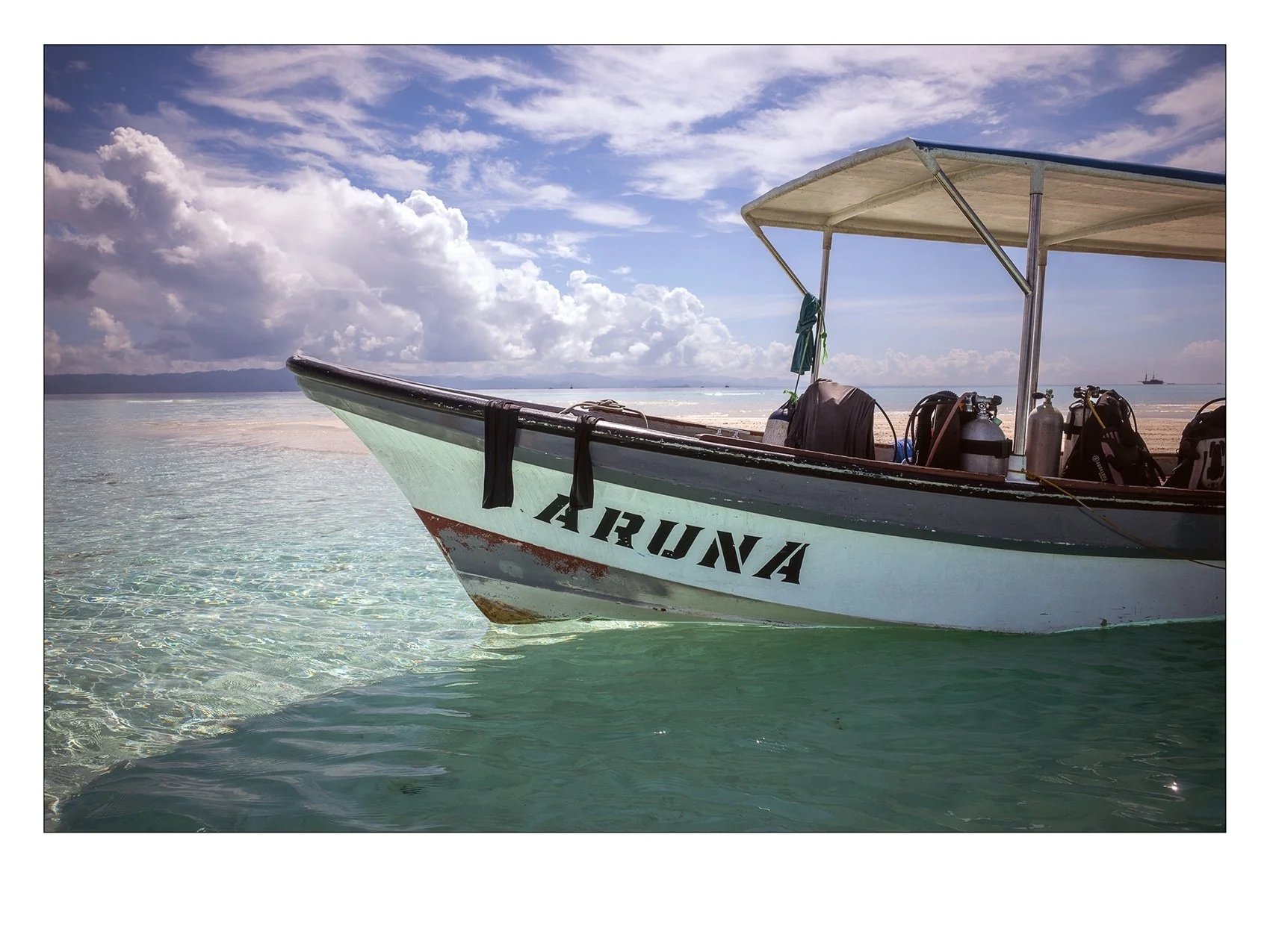
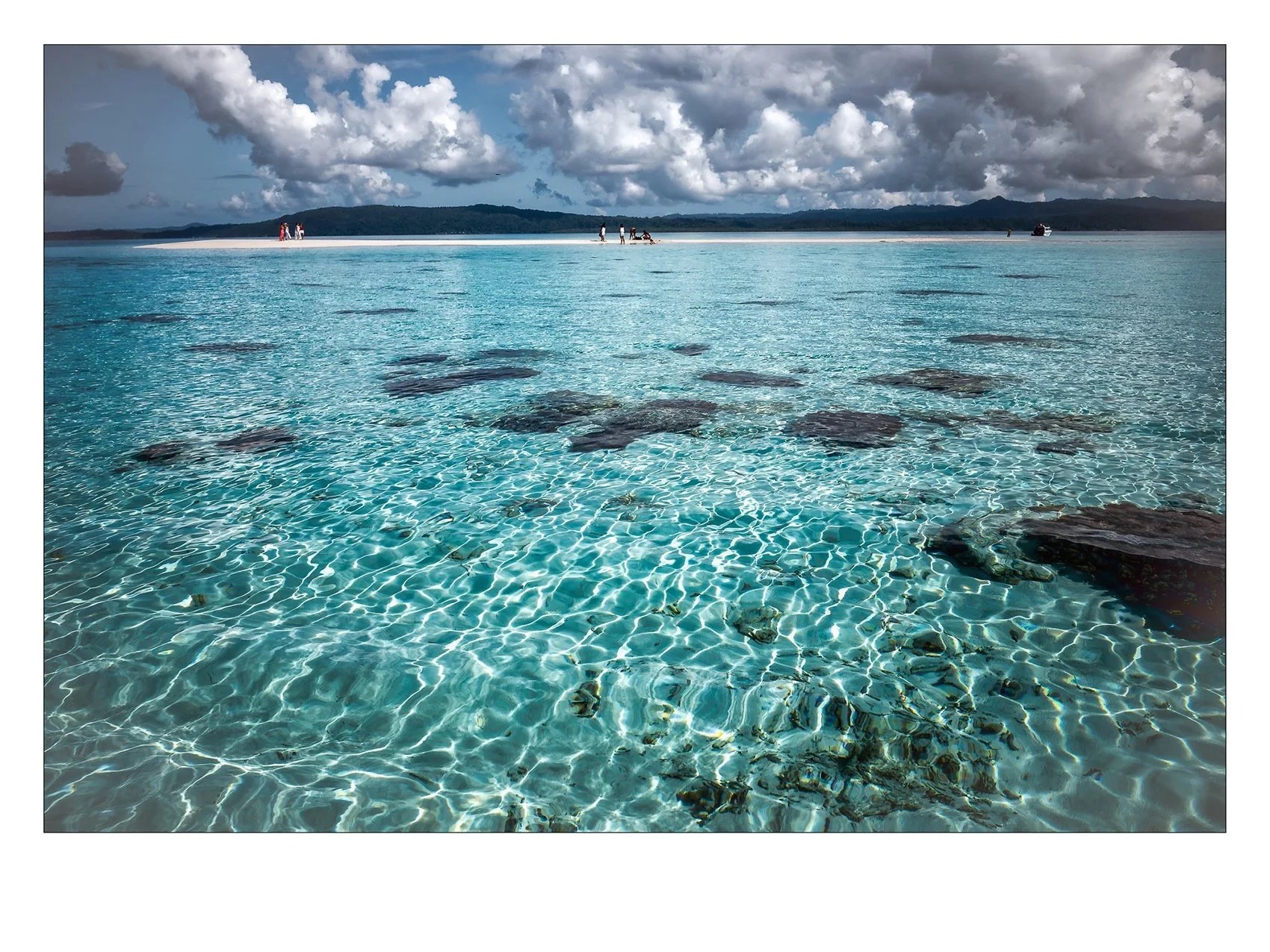


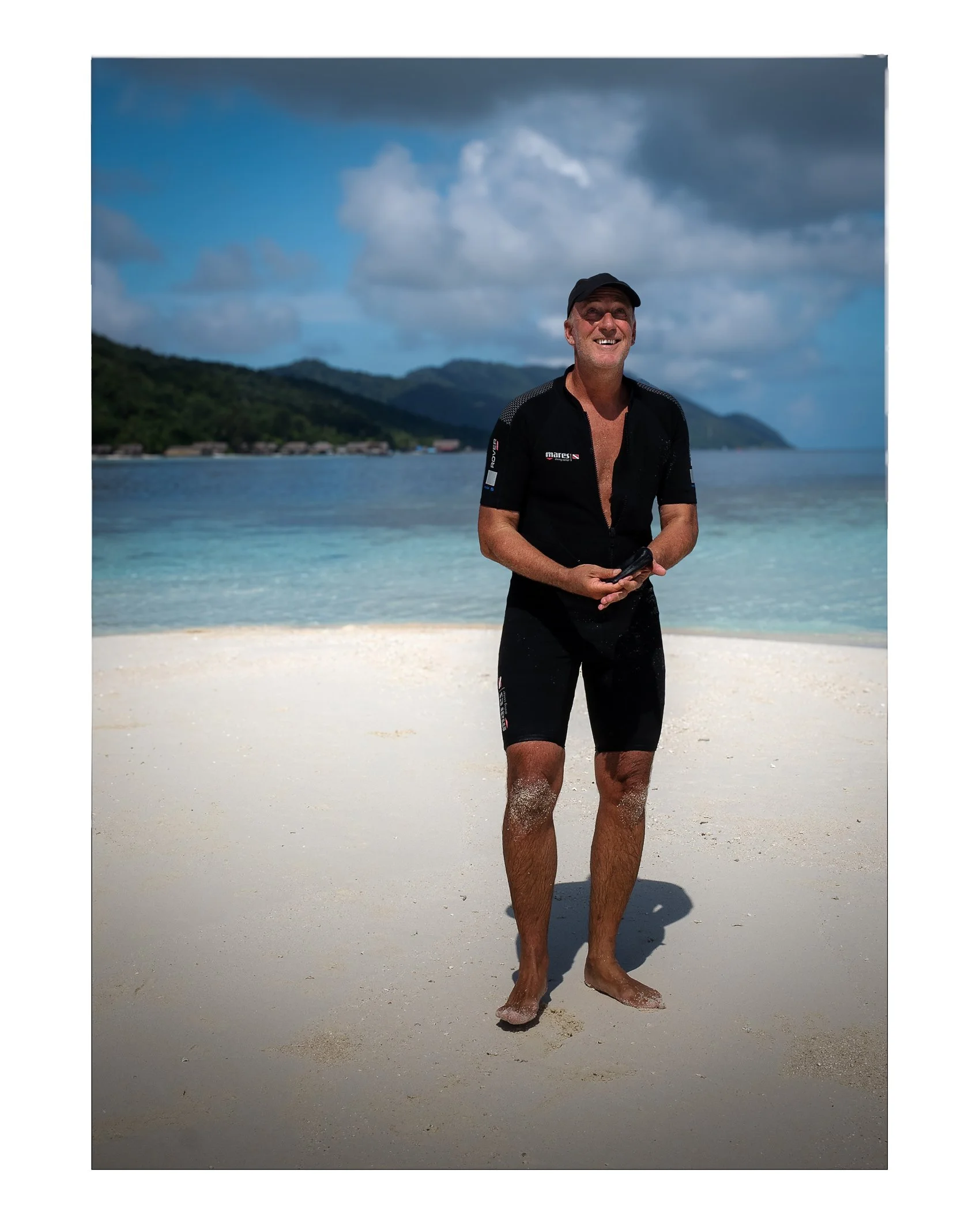
me
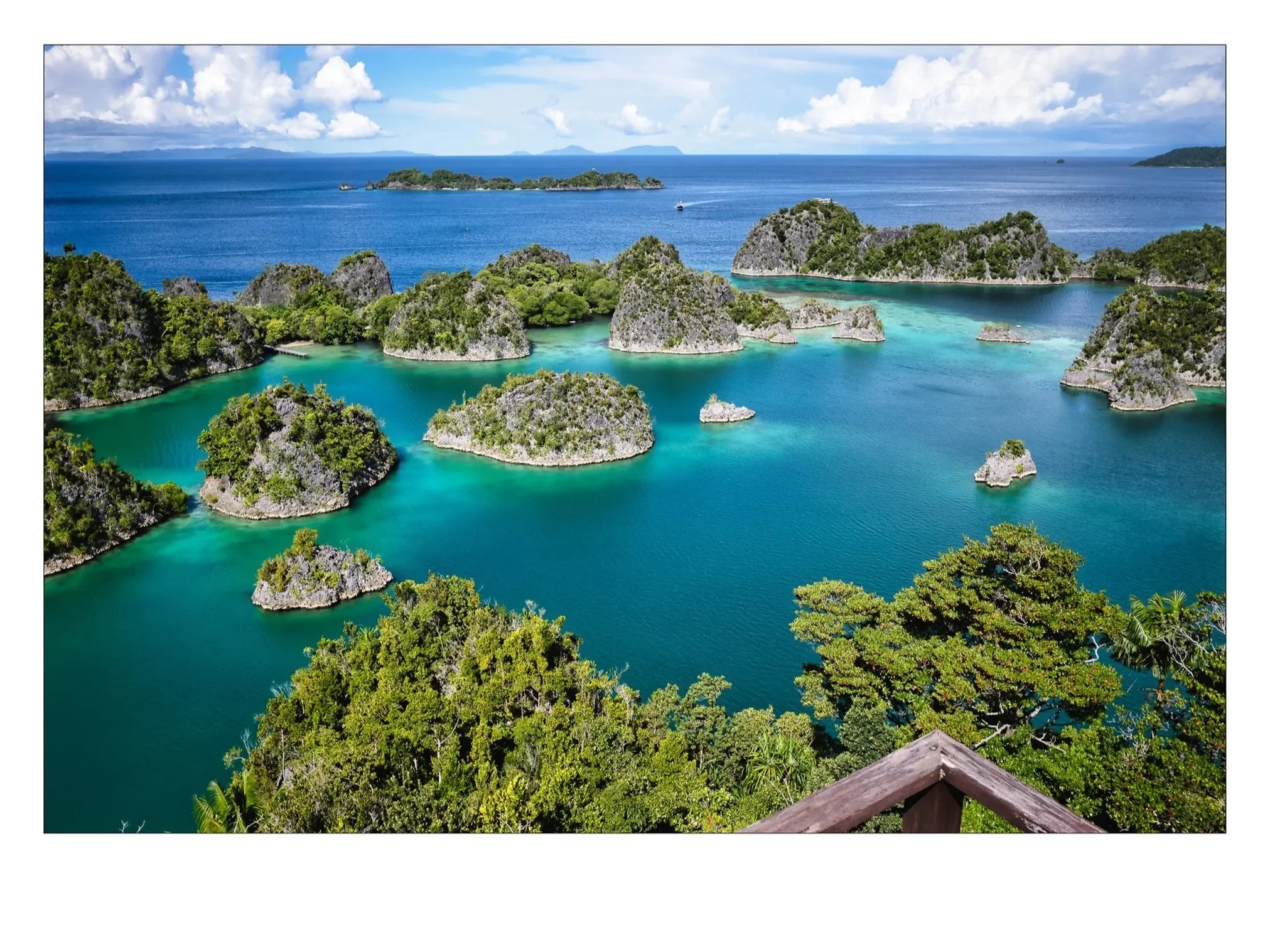
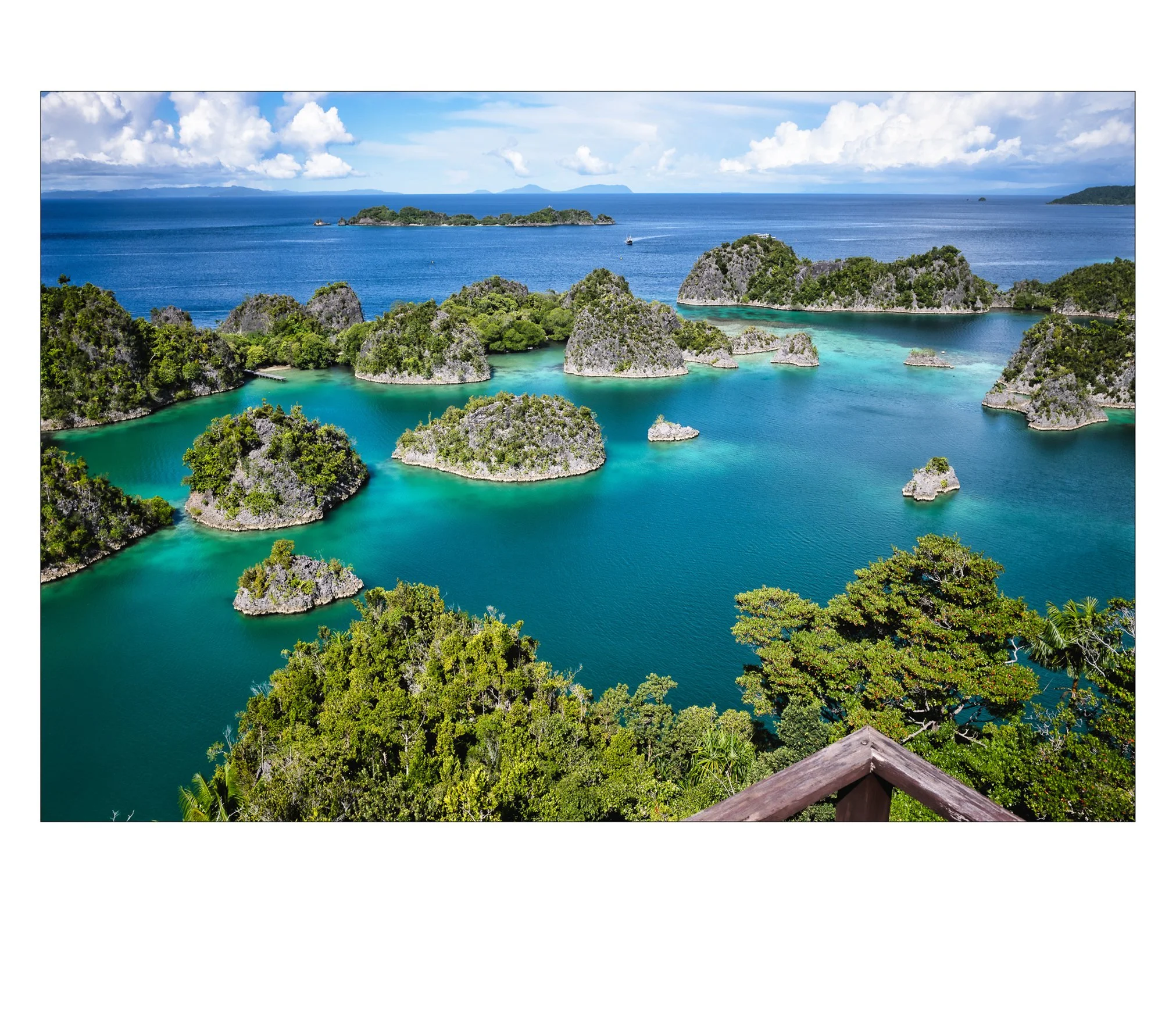
The infamous Raja Ampat postcard view

Top View, I guess
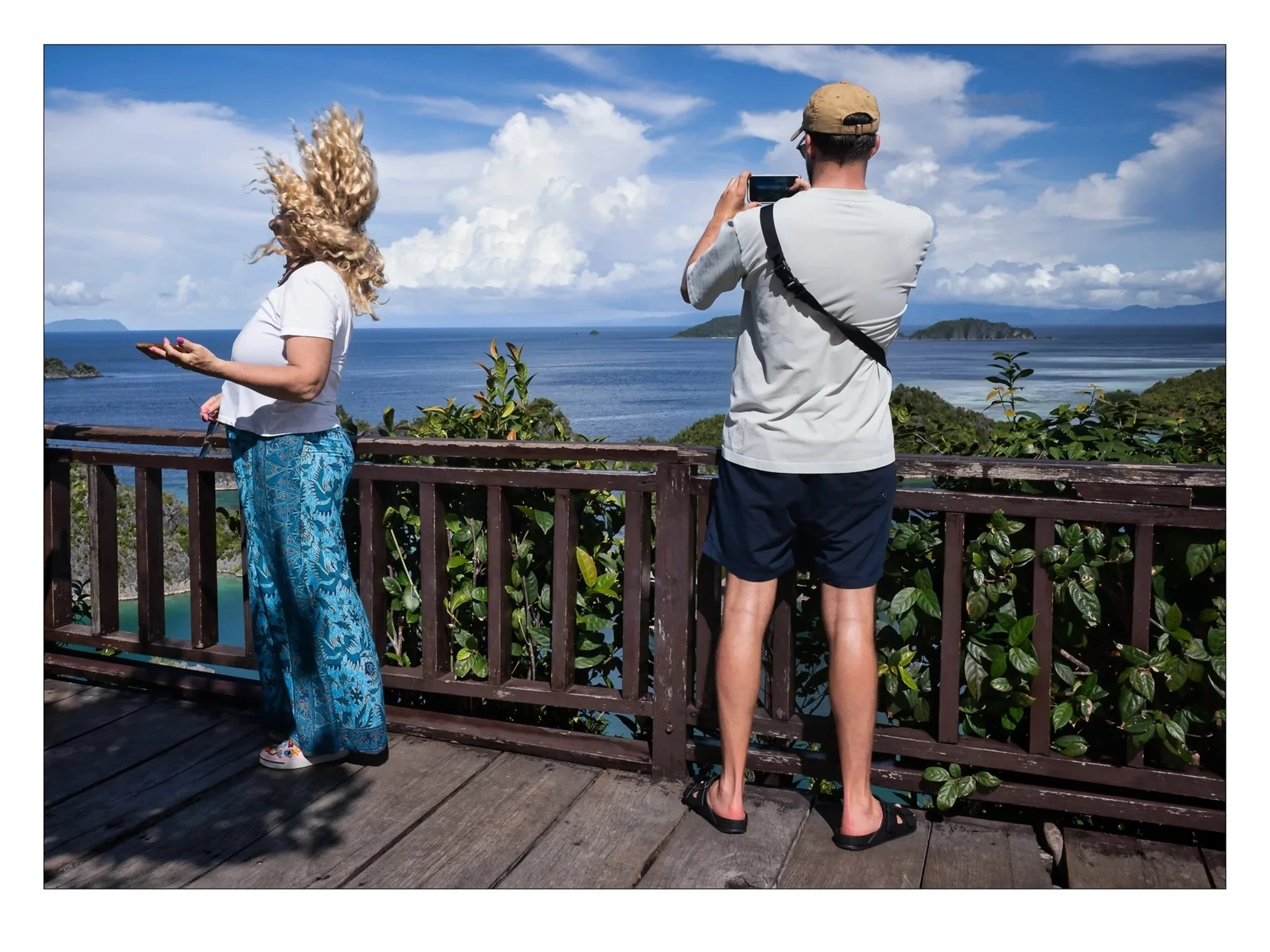
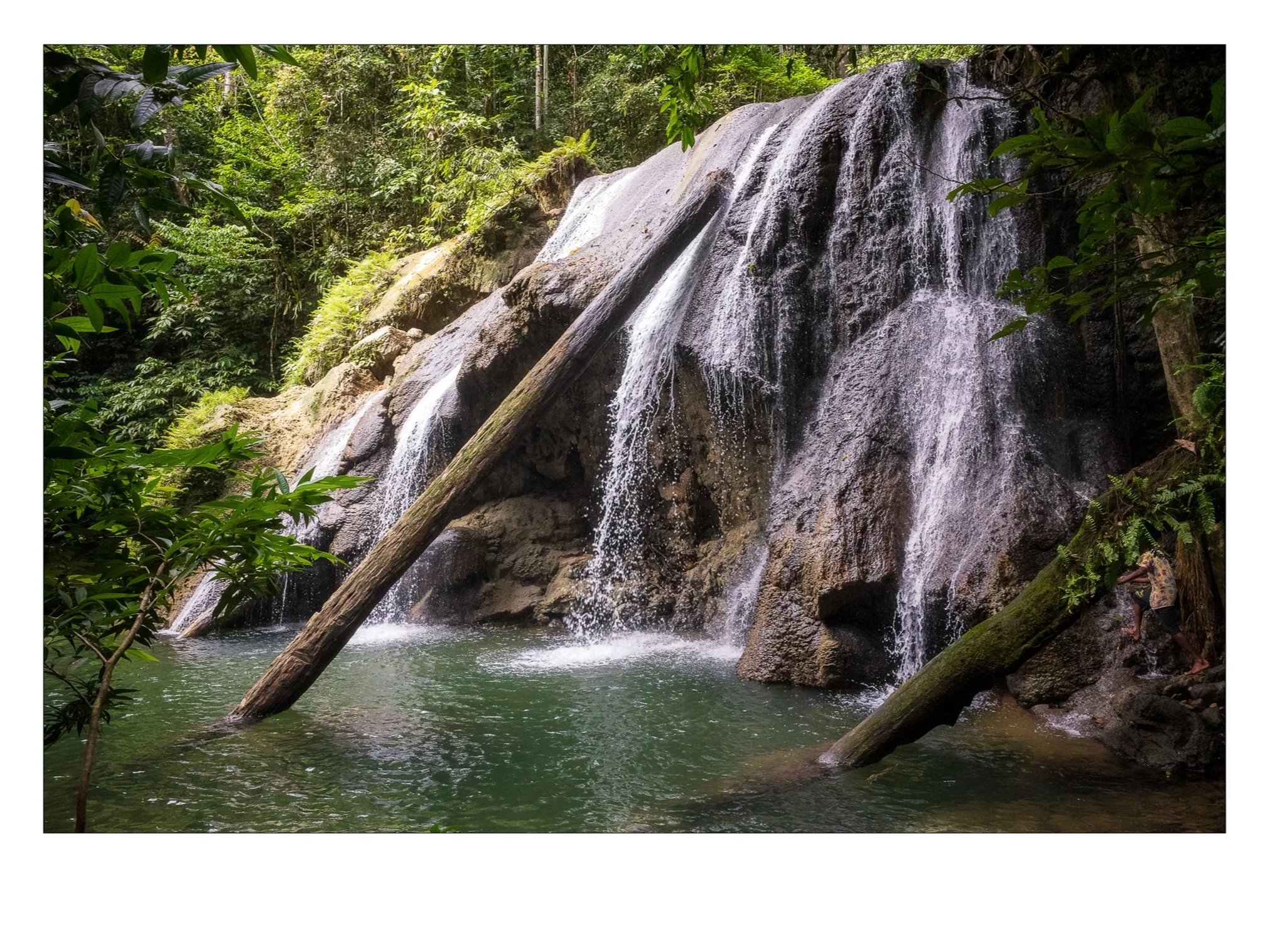
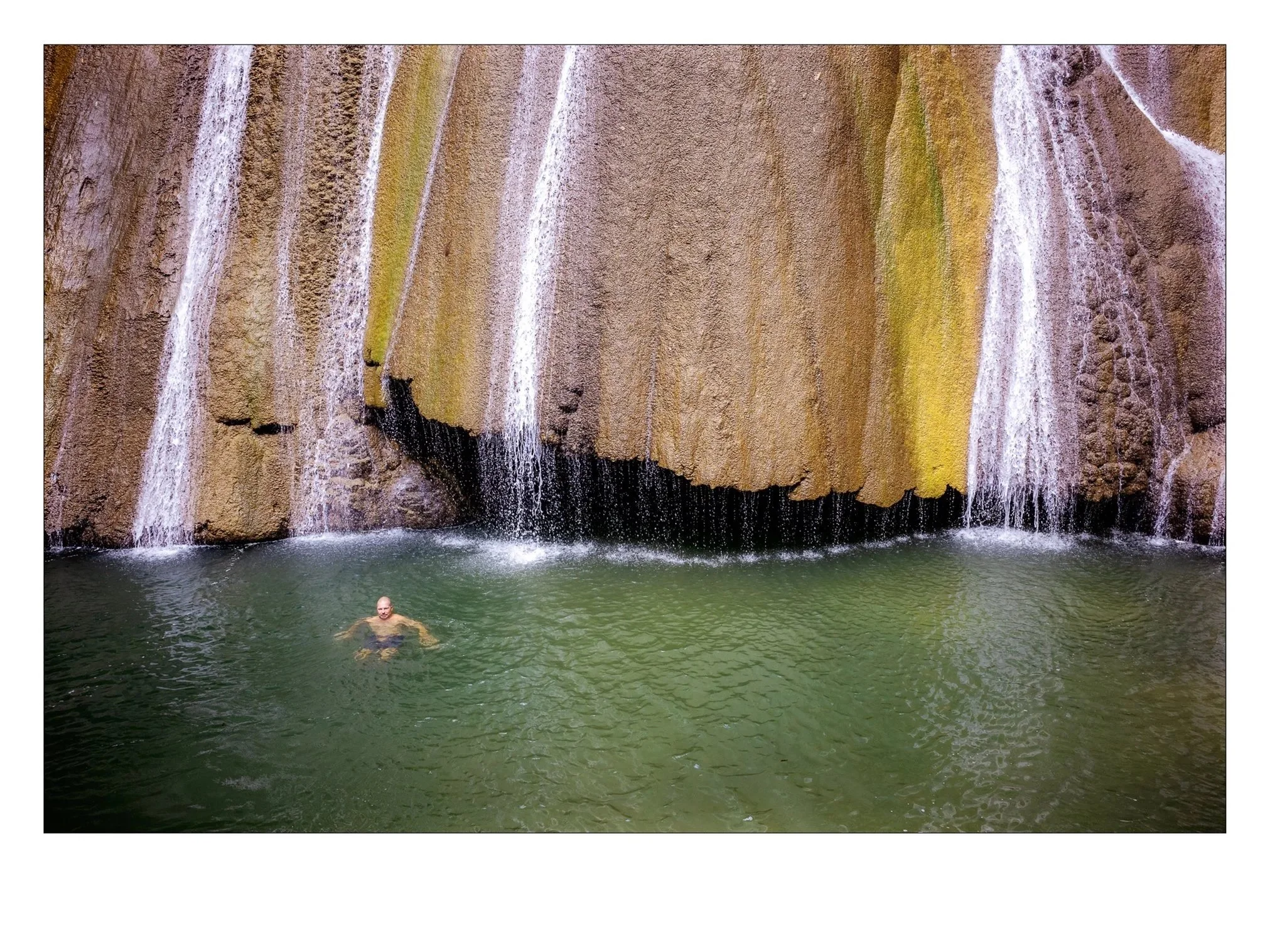
Fiki took us hiking to a waterfall
Raja Ampat – Final Thoughts
Raja Ampat was a journey back into the past of my own travel history—back to my South Pacific and diving days. Indeed, after years of disinterest, the reefs reignited my interest in diving and snorkeling.
The Ayau Atoll felt like a throwback to my travels in Kiribati and Vanuatu: a world of lagoons, entirely devoid of the internet and other travelers. I found my way back—not least to Indonesia itself.
It is highly commendable that the Indonesian government established a Marine National Park in 2007 and put rangers in place to patrol it after Raja Ampat was 'discovered' by the Dutch diver Max Ammer in 1990. But, alas, even here water surface temperatures are rising (especially with the impending Super El Niño), and the corals are under immense stress.
Moreover, it is impossible to ignore that Raja Ampat has a massive waste problem: beaches have to be cleaned daily, and some boat trips feel like cruising through a floating landfill. And the airport in Sorong is slated to become an international destination much like Bali. It has officially been upgraded to international status, and direct flights from abroad are already in the works.